
Publishers protest Dhaka Ekushey Book Fair arrangements
Cultural distribution runs through organiser-controlled stall access, Soft censorship emerges as logistics and licensing
Images
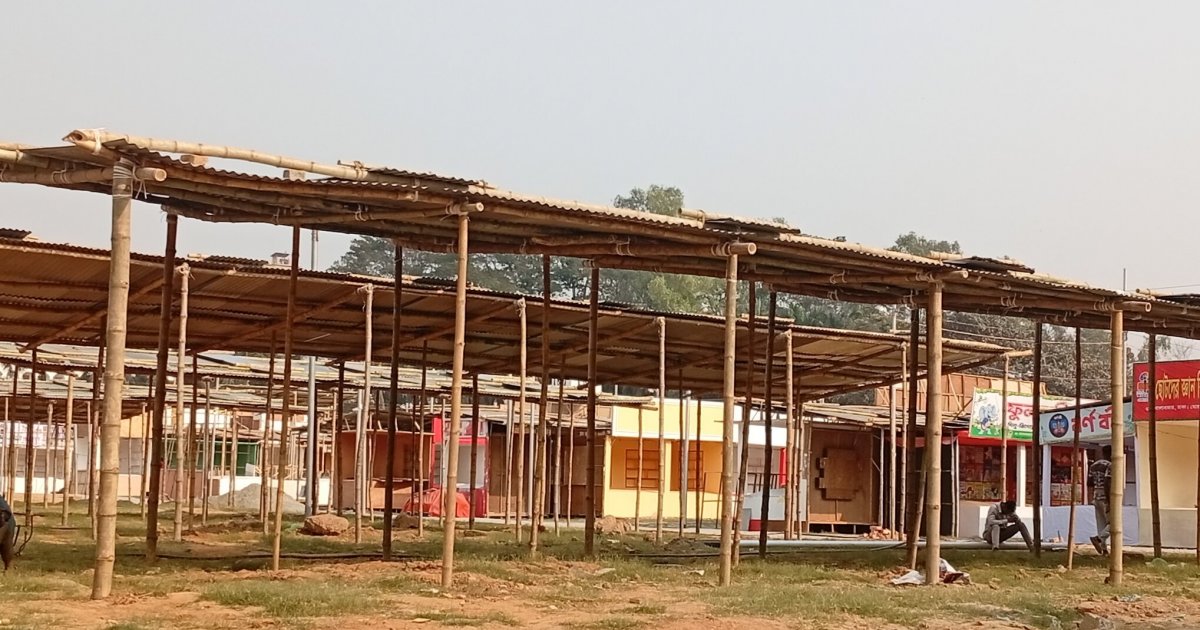 Ekushey Book Fair preparations continue amid publishers' opposition
dhakatribune.com
Ekushey Book Fair preparations continue amid publishers' opposition
dhakatribune.com
Bangladesh’s annual Ekushey Book Fair is moving ahead in Dhaka — but not quietly. The Dhaka Tribune reports that preparations continue despite opposition from a group of publishers, highlighting a familiar political-economy problem in cultural markets: when access to distribution is mediated by a central organiser, “culture” becomes a licensing regime.
The Ekushey fair is not just a festival. It is a temporary concentration of retail space, media attention, and institutional legitimacy. For publishers, it functions as a high-stakes distribution channel: physical stalls, foot traffic, and the reputational signal of being present. When a subset of publishers threatens to protest the arrangement, the dispute is less about literature than about who controls the bottleneck.
Book fairs look like markets, but they operate like administered markets. Scarce stall space must be allocated; rules determine who qualifies; timing and placement determine sales. Whoever sets those rules can reward allies and punish dissenters without ever banning a book outright. The mechanism is banal: paperwork, approvals, and “logistics.” The effect is political: compliance becomes a prerequisite for visibility.
This is why such conflicts recur. A publisher can survive poor reviews; it struggles to survive exclusion from the main distribution nodes. In game-theory terms, the organiser holds the credible threat. Publishers, fragmented and competing with each other, face a coordination problem: protesting risks being singled out; staying silent risks normalising the gate.
The Dhaka Tribune’s reporting underscores that the fair’s organisers can simply proceed while opposition remains partial. That asymmetry is the point: centralised cultural infrastructure is resilient to dissent because the costs of exit are borne by individual publishers, while the organiser can spread reputational damage across the entire event.
The broader lesson extends beyond Bangladesh. Where cultural distribution depends on state-linked venues and permissions, censorship does not need to be explicit. It can be implemented through access control: stall allocation, scheduling, security rules, or last-minute administrative findings. The result is a market that looks competitive on the surface but is structurally dependent on a single authority.
Private alternatives — independent fairs, direct-to-reader sales, and decentralised online storefronts — can reduce this leverage because organisers bear the costs of losing participants and buyers can route around gatekeepers. But building those alternatives requires capital, trust, and logistics — precisely the things a dominant fair accumulates over time.
Ekushey’s publisher dispute is therefore a case study in how cultural institutions become power centres: not by writing books, but by deciding who gets a table.