
Denmark rejects Trump hospital ship offer to Greenland
Humanitarian framing clashes with sovereignty and basing incentives, US presence expands via care narrative Denmark says unnecessary
Images
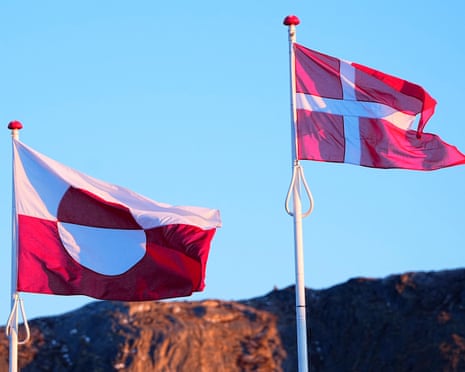 Trump’s social media posts about Greenland were ‘an expression of the new normal’, the Danish defence minister said. Photograph: Bo Amstrup/Ritzau Scanpix/AFP/Getty Images
theguardian.com
Trump’s social media posts about Greenland were ‘an expression of the new normal’, the Danish defence minister said. Photograph: Bo Amstrup/Ritzau Scanpix/AFP/Getty Images
theguardian.com
 newsweek.com
 All 9 Skiers Killed in California Avalanche Have Been Recovered
newsweek.com
All 9 Skiers Killed in California Avalanche Have Been Recovered
newsweek.com
 Trump Withdraws Endorsement of Colorado Republican
newsweek.com
Trump Withdraws Endorsement of Colorado Republican
newsweek.com
 States of Emergency Declared as Up to 18 Inches of Snow to Hit Millions
newsweek.com
States of Emergency Declared as Up to 18 Inches of Snow to Hit Millions
newsweek.com
 JPMorgan Chase Breaks Silence on Trump Debanking Controversy
newsweek.com
JPMorgan Chase Breaks Silence on Trump Debanking Controversy
newsweek.com
 Danish military evacuates US submariner who needed urgent medical care off Greenland
independent.co.uk
Danish military evacuates US submariner who needed urgent medical care off Greenland
independent.co.uk
Denmark has publicly rebuffed Donald Trump’s claim that Greenlanders are “not being taken care of” after the US president said he was sending a hospital ship to the autonomous Danish territory—an offer framed as humanitarian help but read in Copenhagen as yet another attempt to normalise American presence on the island.
Greenland “does not need medical assistance from other countries,” Denmark’s defence minister Troels Lund Poulsen told DR, according to Agence France-Presse via The Guardian. He said Greenlanders receive care locally and, for specialised treatment, in Denmark; healthcare is free in both places. Prime Minister Mette Frederiksen defended the Nordic model in a Facebook post, stressing “free and equal access” regardless of wealth, The Guardian reports.
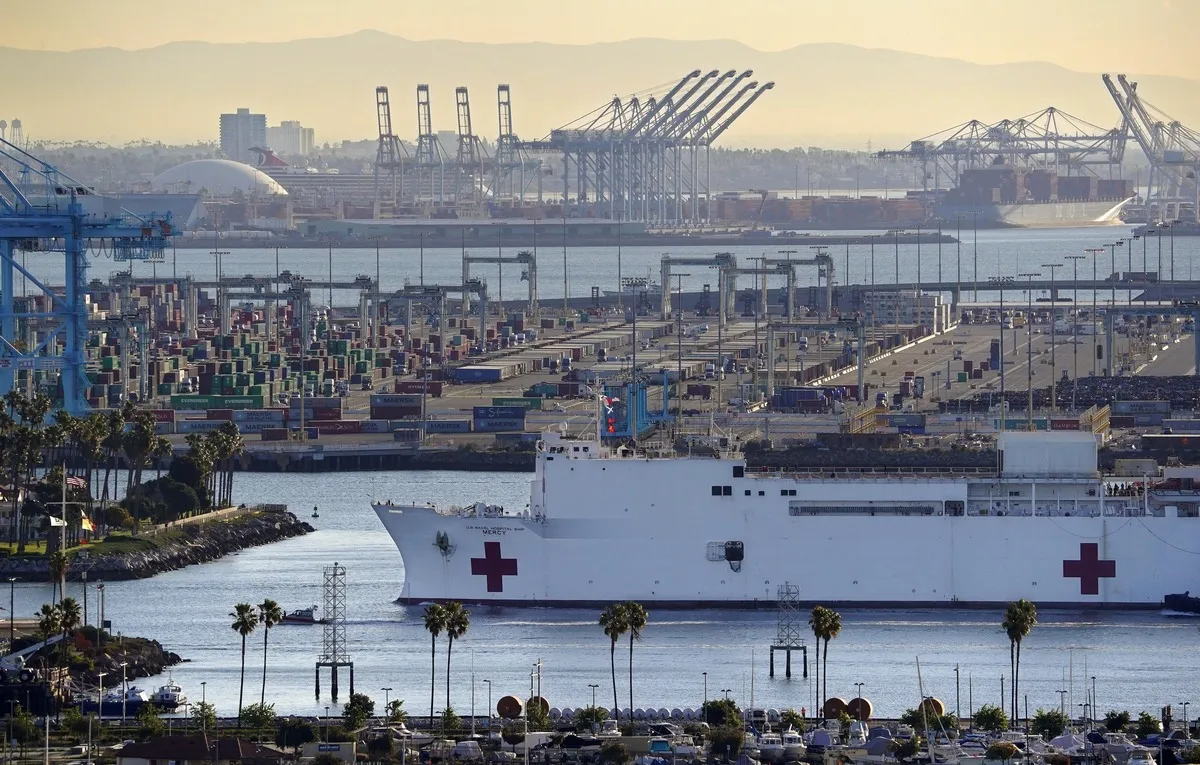
Trump announced on Truth Social that a “great hospital boat” was “on the way!!!” to Greenland, without a timeline or operational details. Newsweek notes Trump posted an image of the USNS Mercy, a 1,000-bed US Navy hospital ship, but ship-tracking data showed Mercy docked in Mobile, Alabama, on Sunday—raising basic questions about whether the deployment is imminent, symbolic, or improvised.
The dispute is less about bed capacity than about who gets to define “need.” In power politics, “aid” is often a low-friction entry point: it creates a justification for access, logistics, communications links, and a public-relations narrative that makes later presence harder to reverse. A hospital ship is not just a floating clinic; it is also a platform for port calls, security arrangements, and relationship-building with local institutions.
This matters because Greenland has become a strategic object in US rhetoric. The Trump administration has argued the US must control Greenland for security reasons, citing the Arctic’s role in missile warning and interception. According to The Guardian, Trump has recently dialled back earlier talk of seizing the territory after a “framework” understanding with Nato secretary general Mark Rutte to ensure greater US influence.
The timing is awkward for Denmark. On the same weekend, Denmark’s Joint Arctic Command evacuated a US submarine crew member for urgent medical treatment near Nuuk, using a Danish Seahawk helicopter deployed from an inspection ship, according to AP via The Independent. In other words, the practical cooperation already exists—and Denmark is paying the immediate operational costs.
That makes Trump’s public “hospital boat” announcement look less like a response to a gap in care and more like a bid to reframe the relationship: the US as indispensable provider, Denmark as negligent administrator, and Greenland as a ward needing outside management.
Copenhagen’s dilemma is classic: reject the gesture and risk escalation in a sensitive alliance, or accept it and risk setting a precedent where American “help” becomes a standing policy tool. Once “humanitarian” becomes the default justification for presence, basing politics can be smuggled in under the banner of compassion—often with fewer parliamentary votes than a formal security agreement would require.