
Khamenei shifts wartime authority to Ali Larijani
Iran builds redundancy as US force posture hardens, Logistics becomes policy once carriers and bases arrive
Images
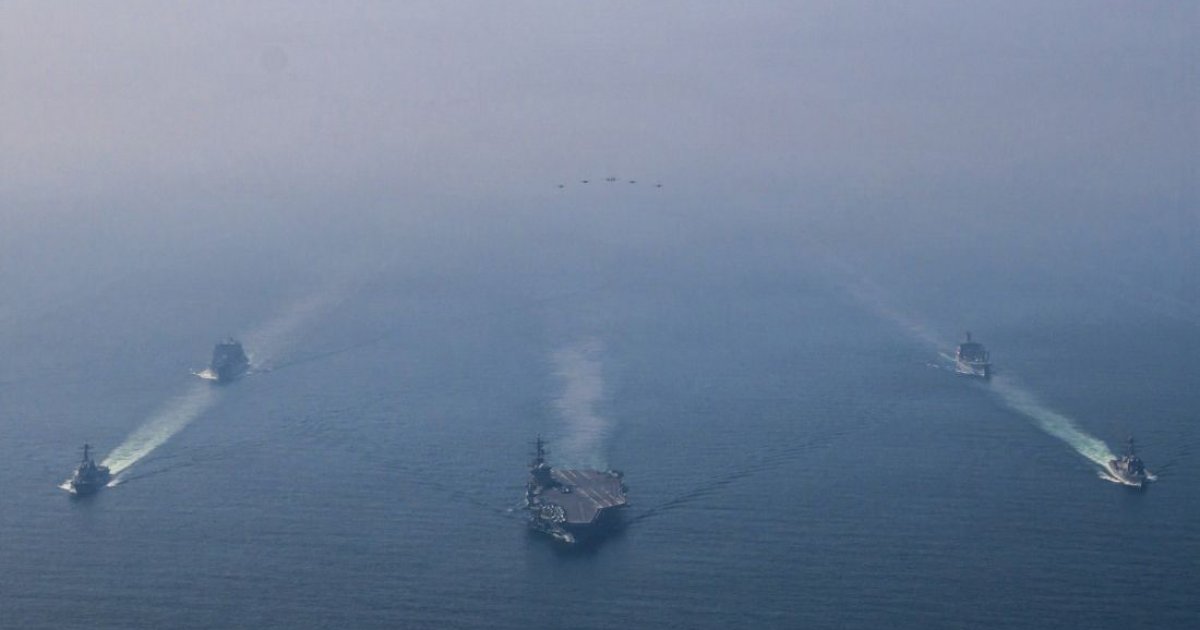 US military assets in the Middle East
dhakatribune.com
US military assets in the Middle East
dhakatribune.com
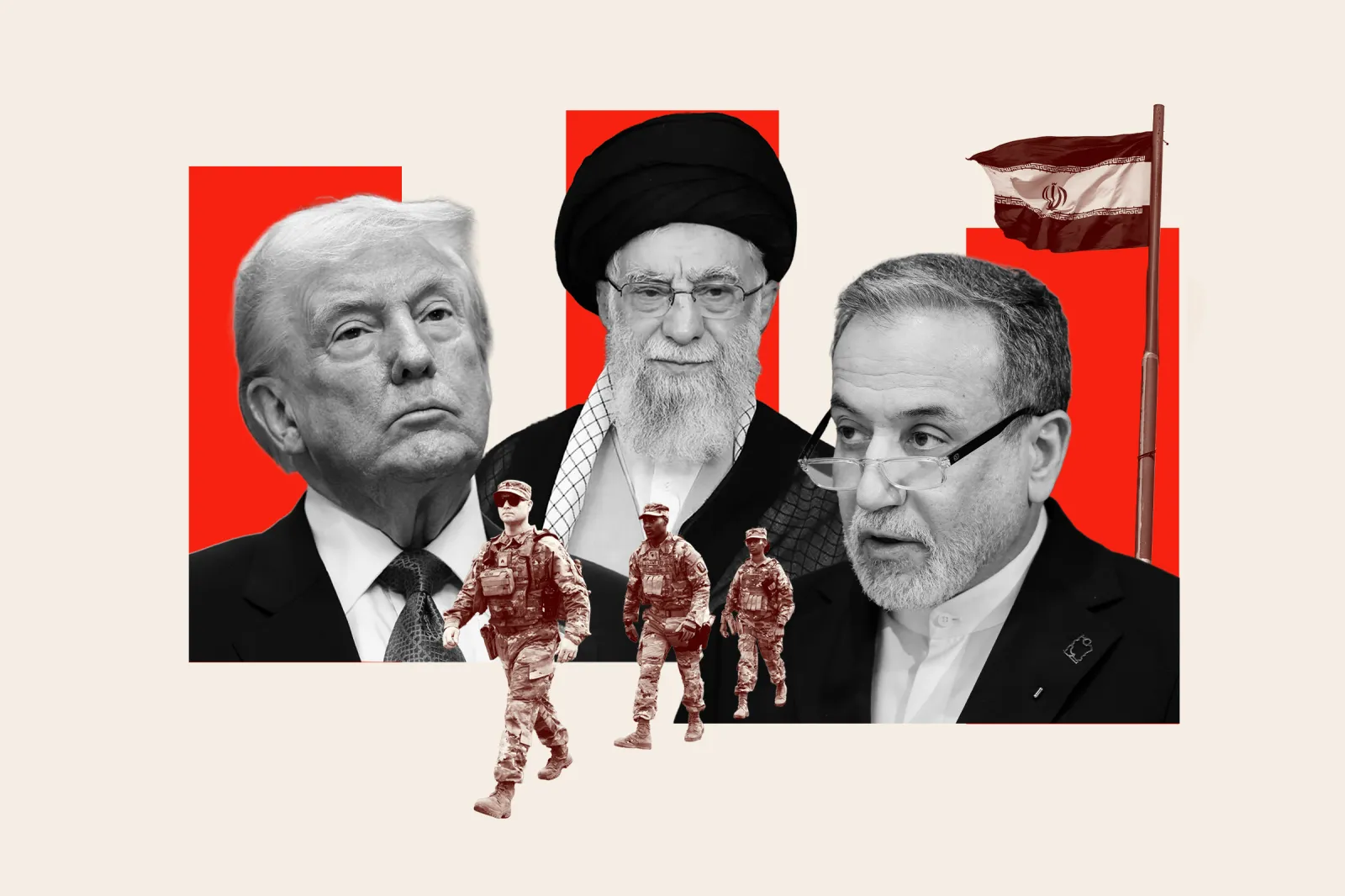 newsweek.com
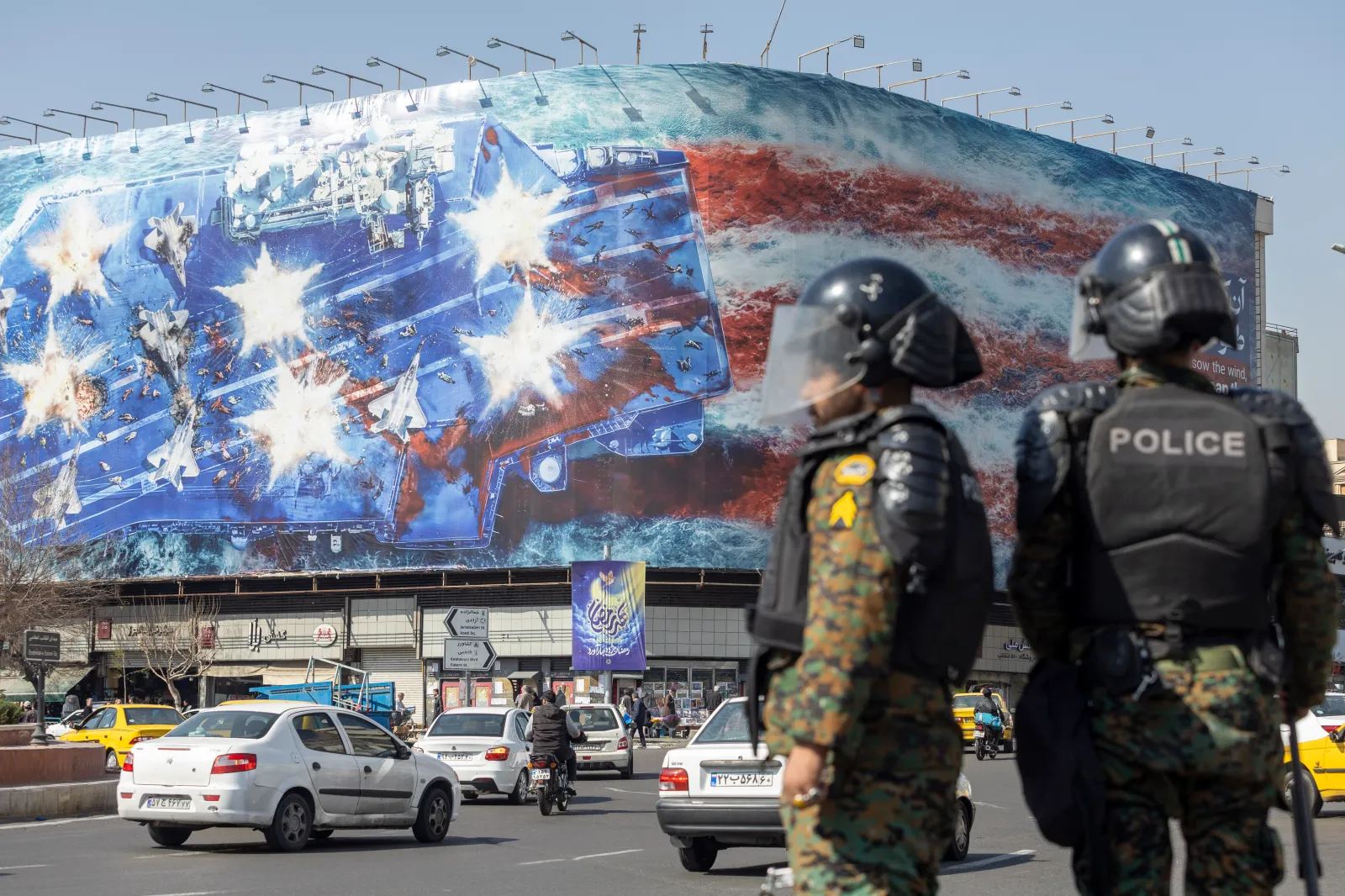 newsweek.com
 All 9 Skiers Killed in California Avalanche Have Been Recovered
newsweek.com
All 9 Skiers Killed in California Avalanche Have Been Recovered
newsweek.com
 Trump Withdraws Endorsement of Colorado Republican
newsweek.com
Trump Withdraws Endorsement of Colorado Republican
newsweek.com
Iran is quietly retooling its command structure for a long, attritional confrontation even as Washington’s “limited strike” rhetoric is backed by a very expensive, very visible military posture that makes restraint harder to sell once the assets are in place.
The New York Times reports that Supreme Leader Ali Khamenei has delegated significant wartime authority to former parliament speaker Ali Larijani and has been building redundancy into decision-making and continuity-of-government planning. The point is not theatrical “mobilisation” but survivability: if senior nodes are hit, the system should still function. That is a rational response to a U.S.-Israeli playbook that increasingly emphasises decapitation strikes and leadership targeting.
On the other side, the U.S. force package in the region is growing. A Dhaka Tribune roundup lists the expanding U.S. footprint—carrier strike groups, air assets, missile defence and supporting infrastructure—consistent with other reporting over the past week that framed the build-up as the largest since 2003. This matters because logistics is policy: once the sunk costs are paid and the political signalling is broadcast, backing down becomes reputationally costly. In game-theory terms, forward deployment functions as a commitment device that narrows Washington’s own off-ramps.
Newsweek, citing analysts including former Israeli military intelligence officials, argues Tehran is attempting to “outlast” the Trump administration by dispersing and hardening key capabilities and ensuring operational continuity. The logic is simple: the U.S. political system is impatient and election-driven; Iran’s clerical state is slow, brutal, and built for endurance. If Washington defines “success” as a clean, bounded operation, Tehran’s best reply is to make outcomes messy, prolonged and expensive.
What does “rational” Iranian escalation look like under these incentives? Not necessarily a frontal missile exchange—especially after recent losses—but a portfolio designed to raise the marginal cost of U.S. pressure.
First, shipping risk. Even without a full Hormuz closure, Iran can price uncertainty into global energy and freight markets via harassment, mines, drone activity, or proxy actions that force insurers and shipowners to re-rate routes. The economic mechanism is powerful: a small increase in perceived probability of disruption can move tanker rates and war-risk premiums sharply, effectively taxing consumers in Europe and Asia while turning “deterrence” into an inflationary externality.
Second, proxy and deniable escalation. Tehran can shift pressure onto softer targets—regional bases, contractors, infrastructure, or allied shipping—where attribution is contested and retaliation becomes politically ambiguous.
Third, cyber operations and internal security tightening. External threat narratives let Tehran collapse domestic opposition into “treason”, while cyber tools offer asymmetric leverage against critical systems without crossing clear kinetic thresholds.
The irony is that both sides may be acting “rationally” while drifting toward conflict: Washington’s deployment makes de-escalation politically costly, and Tehran’s survivability measures make quick victory unlikely. Diplomacy, in this configuration, becomes less a peace process than a timing game about who blinks first—and who pays for the assets already moved into place.