
DHS suspends TSA PreCheck and Global Entry during shutdown
Trusted traveler fees sell relief from state-made queues, Premium lane disappears when appropriations fail
Images
 DHS Secretary Noem: We don’t have the funding to help people through this
foxnews.com
DHS Secretary Noem: We don’t have the funding to help people through this
foxnews.com
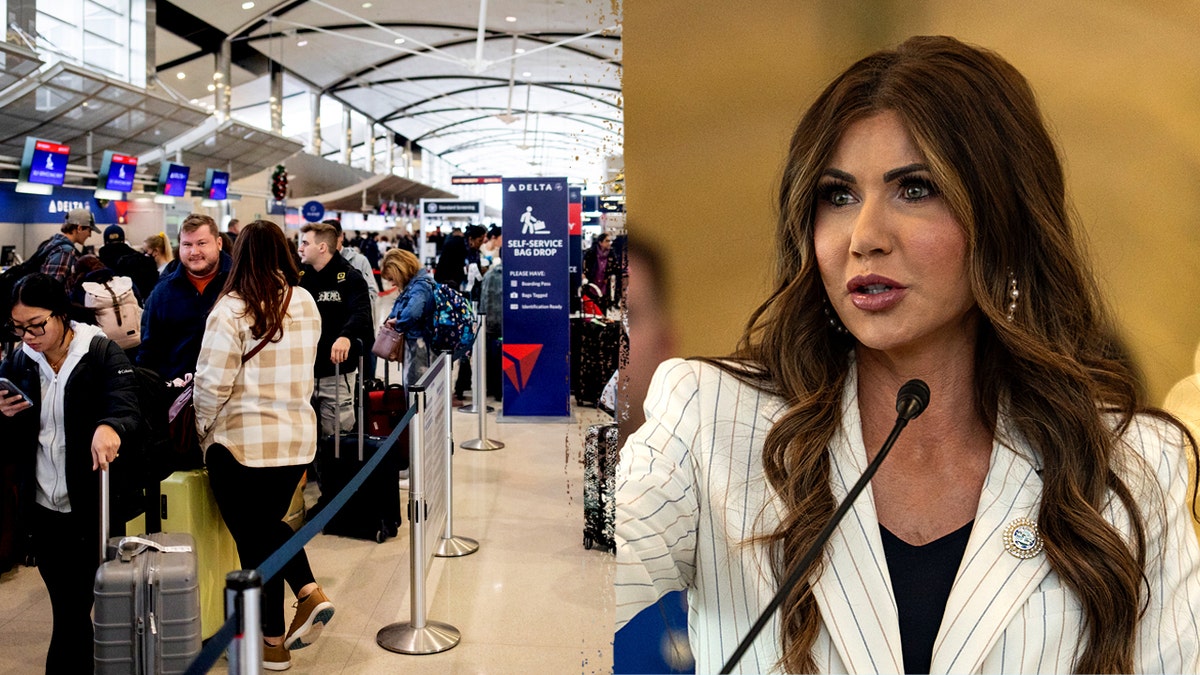 DHS Secretary Kristi Noem featured next to an airport security line.
foxnews.com
DHS Secretary Kristi Noem featured next to an airport security line.
foxnews.com
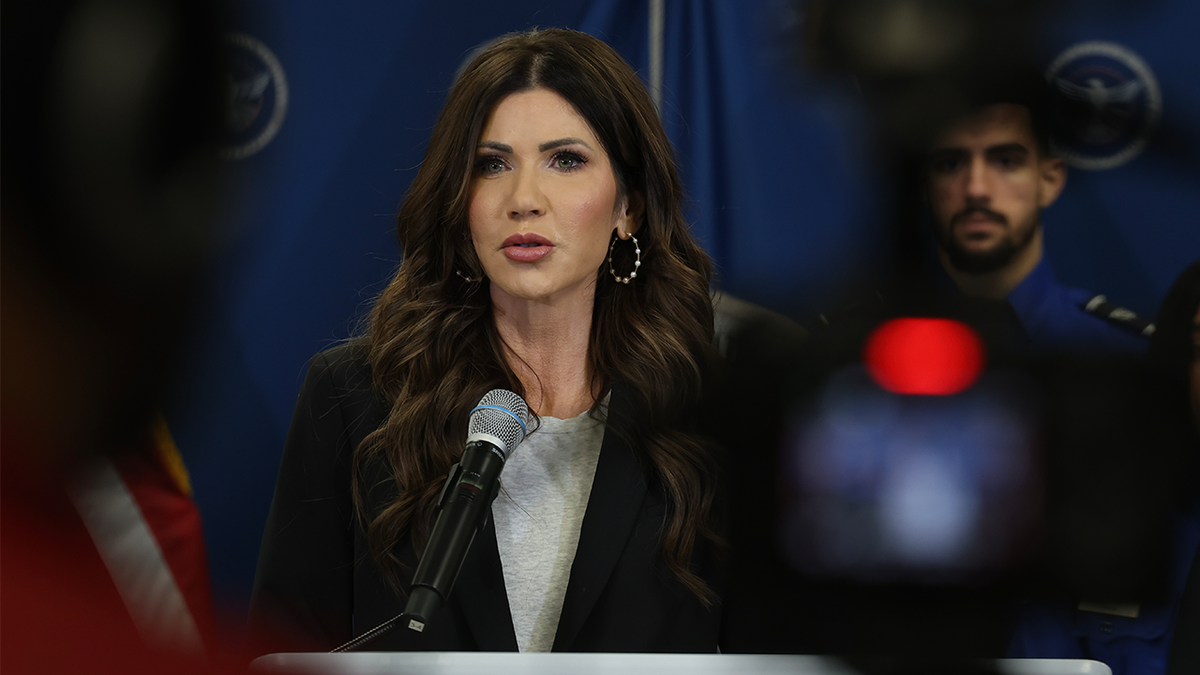 U.S. Secretary of Homeland Security Kristi Noem
foxnews.com
U.S. Secretary of Homeland Security Kristi Noem
foxnews.com
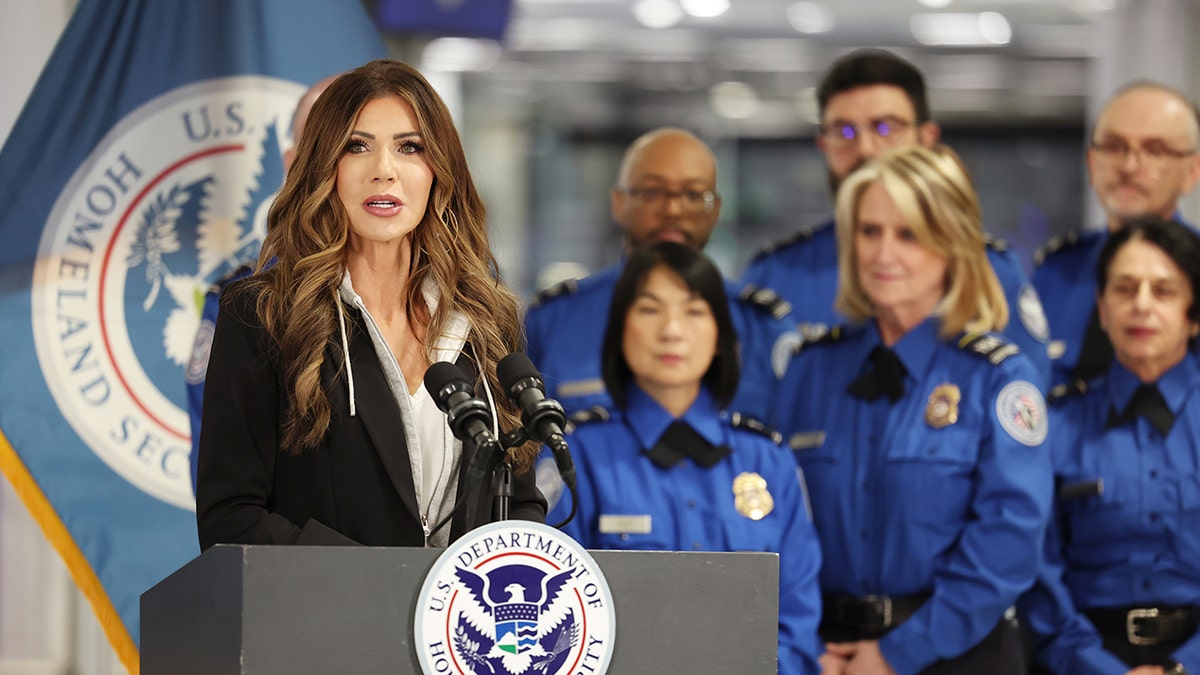 Kristi Noem at TSA press conference
foxnews.com
Kristi Noem at TSA press conference
foxnews.com
The US Department of Homeland Security (DHS) will suspend TSA PreCheck and Global Entry starting Sunday morning as a partial federal shutdown enters its second week, according to Fox News and earlier reporting cited by The Washington Post. The move halts two paid “trusted traveler” programs that have effectively turned airport friction into a subscription product—until the state, having monetised the queue, can no longer keep the fast lane open.
Homeland Security Secretary Kristi Noem said the department will “prioritize the general traveling population” and suspend “courtesy and special privilege escorts,” framing the decision as a forced trade-off under lapsed appropriations. She also said FEMA will pause non‑disaster activity to focus on disasters. Democrats, led by House Homeland Security Committee ranking member Bennie Thompson, accused the administration of deliberately “punishing the American people,” arguing that PreCheck and Global Entry reduce line pressure on unpaid DHS staff.
The immediate operational consequence is predictable: longer security lines and slower border processing, with congestion spilling onto everyone—not just the customers who paid for expedited screening. But the more interesting story is the institutional design. These programs are sold as efficiency upgrades, yet they are better described as a mechanism for pricing access to a bottleneck the state itself creates and controls.
In a normal market, a firm that sells a premium tier bears the cost of service failure through refunds, churn, and reputational damage. Here, the government captures fee revenue while externalising the downside. When the service is suspended, the “customers” do not switch providers; they simply queue. The shutdown reveals that the product is not primarily “security” or “convenience,” but discretionary administrative capacity—rationed by policy, then resold.
DHS is the third‑largest Cabinet agency at roughly 272,000 employees, Fox News reports. DHS planning documents have typically assumed that around 90% of personnel continue working during shutdowns, many without pay. That creates a perverse incentive structure: frontline staff keep the system running under financial stress, while political actors can treat service degradation as leverage.
The episode also clarifies who gets locked in. Frequent flyers, cross‑border commuters, and people whose jobs depend on predictable travel times have built routines around paid fast lanes. When government turns time into a fee, businesses reorganise around it; when the state later withdraws the service, the cost lands on employers and passengers as lost hours, missed connections, and cascading disruption.
The deeper lesson is not that “government shutdowns are bad”—that is obvious—but that the state has learned to monetise its own frictions. PreCheck and Global Entry are effectively a tax on impatience, administered as a user fee. The shutdown simply demonstrates the final irony: even the paid queue can be cancelled when the appropriations game demands a hostage.