
Cat tumours share core driver mutations with human cancers
Sequencing of 500 pet cats finds TP53 and breast-cancer parallels, Comparative oncology promises realism but imports clinic-selection bias
Images
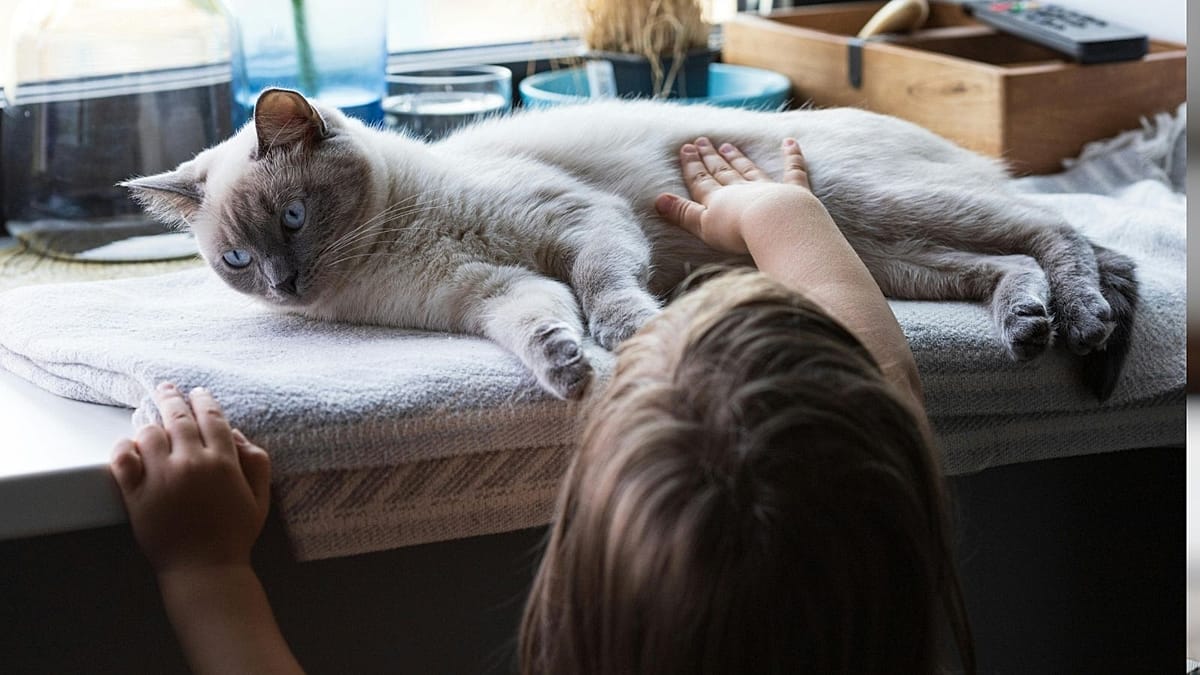 Could pet cats help scientists understand human cancer?
euronews.com
Could pet cats help scientists understand human cancer?
euronews.com
Pet cats may be about to become an unexpectedly useful “model organism” for oncology — not because they are engineered in a lab, but precisely because they are not.
A large comparative genomics study has found that several feline cancers are driven by mutations in the same genes and pathways that dominate human tumours. Euronews reports the researchers sequenced tumour DNA from about 500 pet cats across seven countries, using tissue samples originally collected for veterinary care. They then screened roughly 1,000 genes known to be associated with human cancer across 13 feline cancer types.
The headline result is not that “cats get human cancer”, but that the evolutionary logic of cancer — selection for growth, immune evasion and metastasis — converges on similar driver mutations across species. The team identified 31 driver genes in feline tumours. The canonical tumour suppressor TP53 was the most frequently mutated: present in 33% of cat tumours, close to the ~34% often cited in human datasets. That kind of cross-species agreement matters because TP53 is not a subtle biomarker; it is a central gatekeeper of genomic stability.
The study also highlights a particularly close parallel between feline mammary carcinoma and human breast cancer. In the cat samples, the most common driver in mammary tumours was FBXW7, mutated in more than half of cases; in humans, FBXW7 alterations are associated with poorer prognosis in multiple cancers. According to Euronews, the researchers argue that these overlaps could help identify therapeutic options that translate between veterinary and human oncology.
But the more interesting story is institutional, not molecular.
Cats are “naturally occurring” cancer patients living in the same built environment as their owners — exposed to household chemicals, indoor air pollution, diet patterns, and (crucially) the same selection pressures of real-world care. That makes them attractive as a parallel preclinical platform, potentially bridging the gap between mouse models (cheap, controlled, often biologically misleading) and human trials (expensive, slow, regulated to paralysis).
Yet incentives cut both ways. Veterinary datasets are shaped by who seeks care, who can pay, and which clinics have the capacity to biopsy and archive tissue. That creates strong selection and follow-up biases — arguably clearer than in state-heavy human systems, where coding, reimbursement rules and bureaucracy can distort what gets measured. Private veterinary clinics bear costs directly: they will not run endless low-yield tests unless someone pays, but they also may not capture long-term outcomes unless clients return.
If the “comparative oncology” vision is to work, it will need transparent governance: consent frameworks for tissue donation, standardized sequencing pipelines, and outcome tracking that does not depend on marketing budgets or academic prestige. Otherwise, the field risks becoming another data-hungry research program that discovers correlations faster than it can validate causality.
Still, the basic finding is hard to ignore: in a world where human cancer drug development routinely fails after burning billions, the pet cat — already living in Europe’s apartments and suburbs — may offer a cheaper, faster, and more reality-tested source of clues.