
EU digital rules export compliance stack
Sovereignty rhetoric meets age checks and algorithm audits, Compute rationing turns water and power into speech leverage
Images
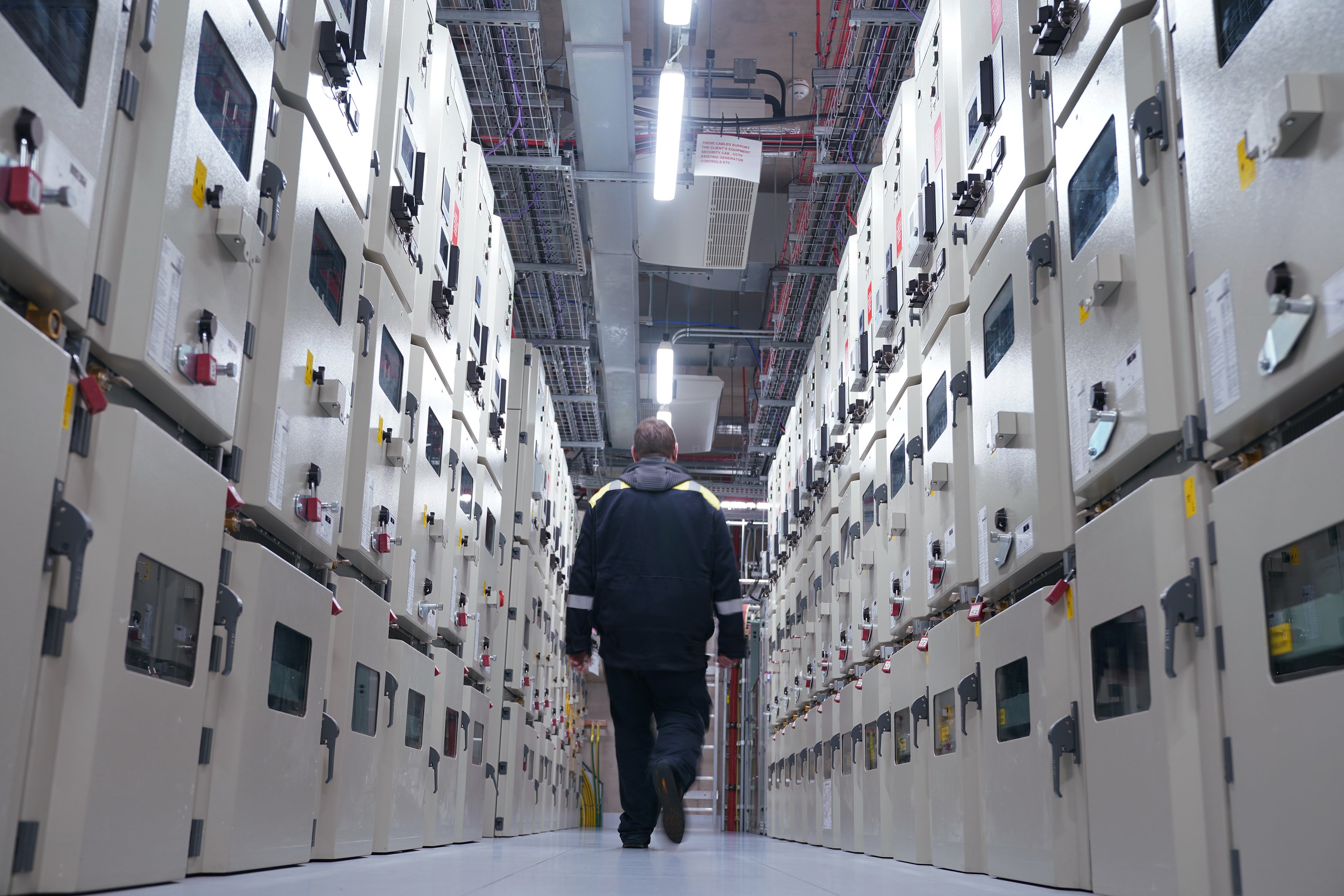 Nearly 68 per cent of data centres were near protected or key biodiversity areas (PA)
independent.co.uk
Nearly 68 per cent of data centres were near protected or key biodiversity areas (PA)
independent.co.uk
 According to the UN, it takes around 7,500 litres of water to make a single pair of jeans (Getty Images/iStockphoto)
Getty Images/iStockphoto
According to the UN, it takes around 7,500 litres of water to make a single pair of jeans (Getty Images/iStockphoto)
Getty Images/iStockphoto
 Data centres use water to cool the systems and prevent them from overheating (AP)
independent.co.uk
Data centres use water to cool the systems and prevent them from overheating (AP)
independent.co.uk
 A study estimated that ChatGPT was using 500ml of water for every 10 to 50 responses it produced (Getty/iStock)
Getty/iStock
A study estimated that ChatGPT was using 500ml of water for every 10 to 50 responses it produced (Getty/iStock)
Getty/iStock
 Thames Water has warned data centres they could face restrictions during heatwaves (PA Wire)
PA Wire
Thames Water has warned data centres they could face restrictions during heatwaves (PA Wire)
PA Wire
Europe’s claim to “set its own rules” for the internet is increasingly framed as sovereignty and consumer protection. But the practical output is less romantic: a standardised compliance stack that platforms and AI providers must build once and then deploy everywhere, because global services cannot afford bespoke governance by jurisdiction.
Euronews describes the transatlantic split as a clash between American free-speech instincts and Europe’s preference for rules-based digital order. The problem is that “rules” in the EU context are rarely limited to liability and competition. They tend to expand into speech governance, identity verification and procedural mandates that can be audited by regulators—an architecture that survives long after the political panic that justified it.
This is already visible in the EU’s push for mandatory age verification and algorithmic “transparency” (sold as child protection and anti-disinformation), which in practice means building identity rails and content-ranking controls into the core of platforms. Once those rails exist, the marginal cost of repurposing them—from age checks to political “harm” checks—falls toward zero. The predictable result is mission creep.
What is new in 2026 is that the speech fight is being fused with an infrastructure fight. As AI usage explodes, the constraint is no longer just moderation headcount or legal risk; it is electricity, water and data-centre siting. The Independent reports on the growing dispute over how much water AI queries consume, noting wildly different estimates: OpenAI CEO Sam Altman claims an average ChatGPT query uses less than 1/15 of a teaspoon of water, while University of California research has estimated roughly 500 ml for 10–50 medium-length responses. A UK Government Digital Sustainability Alliance projection cited by The Independent suggests AI could raise global data-centre water use from 1.1 to 6.6 billion cubic metres by 2027.
These numbers are contested, but the incentive structure is not. If compute becomes politically rationed—through energy caps, water permits, zoning, or “sustainability” licensing—then regulators gain a second lever over speech: not just what may be said, but what may be computed and therefore what may be seen. Reach becomes a scarce resource allocated by compliance.
Game-theoretically, platforms will respond by internalising the regulator’s objective function. If the cost of non-compliance is throttled market access, firms will pre-emptively overbuild identity checks, logging, and ranking controls to minimise uncertainty. The EU then becomes the metagatekeeper: not publishing content itself, but shaping the infrastructure through which content and AI outputs must flow.
The irony is that Europe’s “digital sovereignty” often translates into dependence on a single, exportable compliance model—one that can be adopted by private platforms globally, and later reused by any government that wants the same knobs. The EU may win the argument with Washington; the real winner is the bureaucratic interface that makes censorship and rationing cheap.