
JPMorgan confirms closing Trump-linked accounts after Jan 6
Contractual discretion doubles as political de-risking, Banking access looks less like service and more like permission
Images
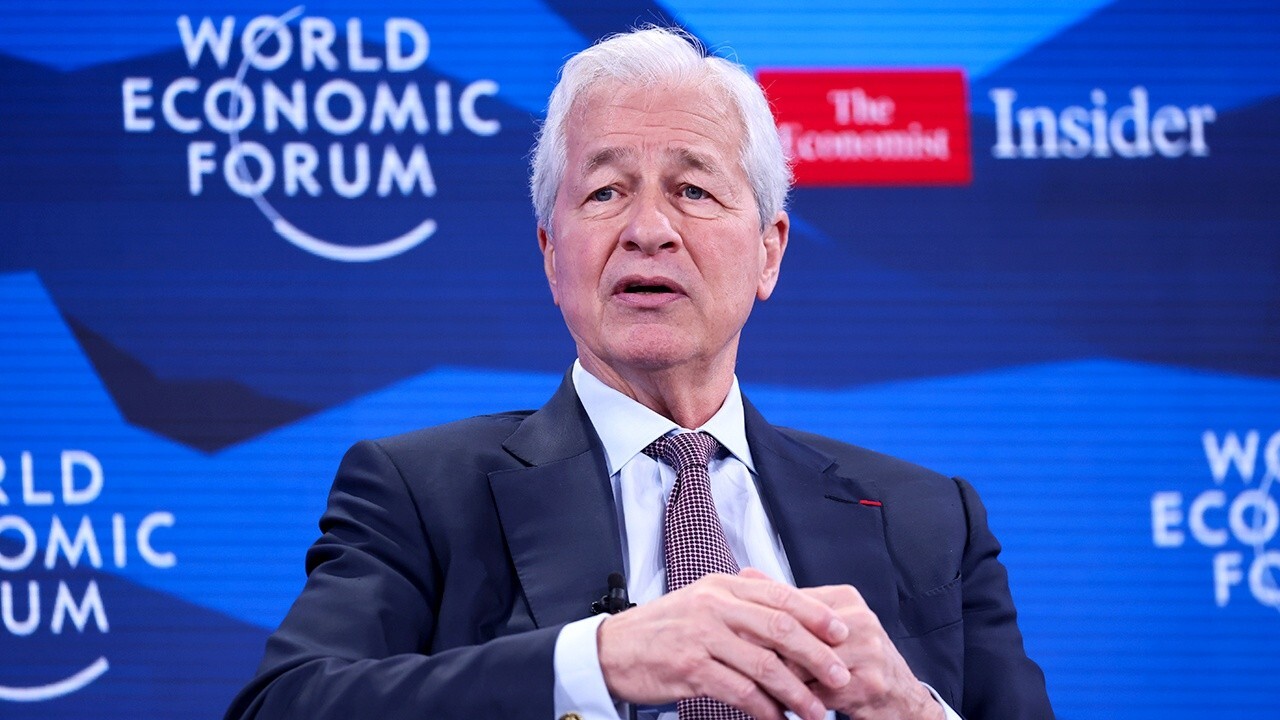 'The Big Money Show' discusses the potential fallout from President Donald Trump’s proposed credit card interest rate cap.
foxbusiness.com
'The Big Money Show' discusses the potential fallout from President Donald Trump’s proposed credit card interest rate cap.
foxbusiness.com
 Marquee at the main entrance to the JPMorgan Chase Headquarters Building in Manhattan.
foxbusiness.com
Marquee at the main entrance to the JPMorgan Chase Headquarters Building in Manhattan.
foxbusiness.com
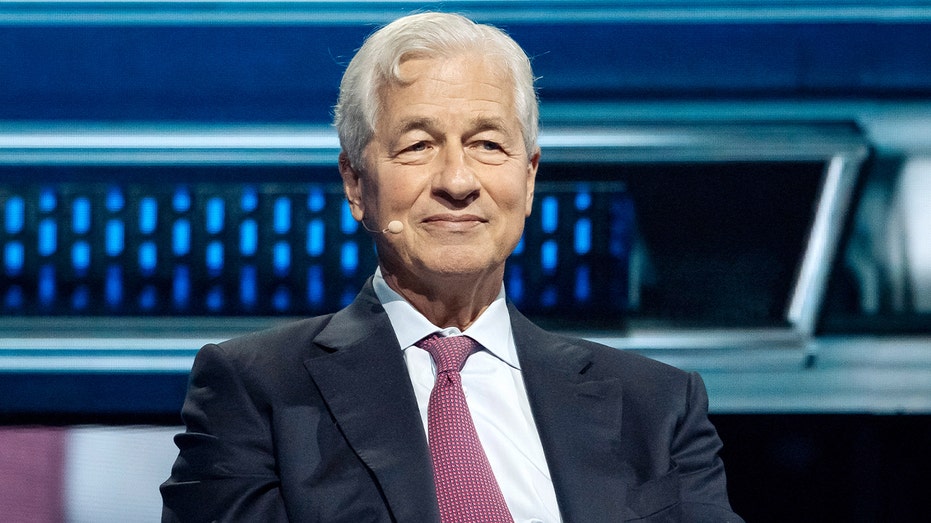 Bank executive speaks to an audience during a conference focused on business and innovation.
foxbusiness.com
Bank executive speaks to an audience during a conference focused on business and innovation.
foxbusiness.com
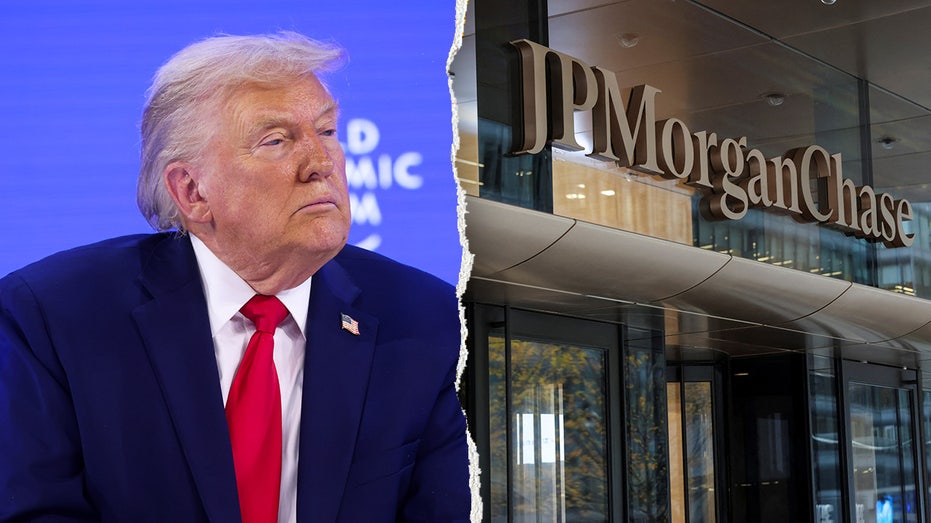 Trump and JP Morgan Chase logo split
foxbusiness.com
Trump and JP Morgan Chase logo split
foxbusiness.com
JPMorgan Chase has acknowledged in a court filing that it ended its banking relationship with Donald Trump and several Trump-affiliated entities shortly after the January 6, 2021 Capitol riot—an admission prompted by a $5 billion lawsuit Trump filed last month in Florida state court, according to Fox Business.
In a declaration submitted by Dan Wilkening, JPMorgan’s chief administrative officer for global banking, the bank said it notified Trump and various hospitality businesses in February 2021 that certain accounts would be closed. Letters dated Feb. 19, 2021 told Trump’s organization that JPMorgan had “decided to close its banking relationship” and gave a deadline of April 19, 2021 to move funds elsewhere. The letters did not specify a reason.
The bank’s defense, as described by Fox Business, leans heavily on standard account agreements that allow termination “with or without cause” with written notice, and on broad “good faith” discretion to refuse transactions, freeze funds, or close accounts when activity conflicts with internal policies. Those policies are framed as compliance and risk management: anti-money laundering, sanctions, anti-terrorism rules, unlawful transactions, and general legal standards.
The interesting question is less whether JPMorgan had the contractual right to exit a client—and more what happens when a handful of regulated banks become gatekeepers to economic participation. In practice, “debanking” is not simply a private dispute; it can function as an extrajudicial sanction when the target’s alternatives are limited by market structure and regulation.
Bank incentives point toward over-enforcement. The expected cost of being permissive—regulatory scrutiny, consent orders, reputational blowback, de-risking demands from counterparties, and internal career risk for compliance officers—often dominates the cost of being overly cautious, which is typically borne by the customer. Game-theoretically, a large bank’s dominant strategy is to cut off clients who create headline risk, even if the legal case for termination is thin, because the downside tail risk is asymmetric.
Trump’s lawyers argue the closures were politically discriminatory and claim he was effectively “blacklisted.” They also allege that Bank of America later refused to accept large deposits, suggesting a broader industry coordination problem even without explicit collusion: if multiple institutions respond to the same regulatory and media environment, the outcome can look like a cartelized denial of service.
This is how financial regulation quietly morphs into speech-adjacent control. The state doesn’t need to ban a person from commerce directly; it can set the compliance burden and liability exposure such that private banks rationally do it on the state’s behalf. If Trump’s lawsuit forces discovery into how “reputational risk” decisions are made—who escalates them, what external pressure is applied, and what regulators signal off the record—it may reveal less about Trump than about a system where access to payments and credit is treated as a revocable privilege.