
Power bank explosion injures Los Angeles reporter
Lithium-ion failure modes predictable but supply-chain accountability diffuse, Recalls arrive after the mattress burns
Images
 iPhone users more likely to get scammed than Android users, study indicates
foxnews.com
iPhone users more likely to get scammed than Android users, study indicates
foxnews.com
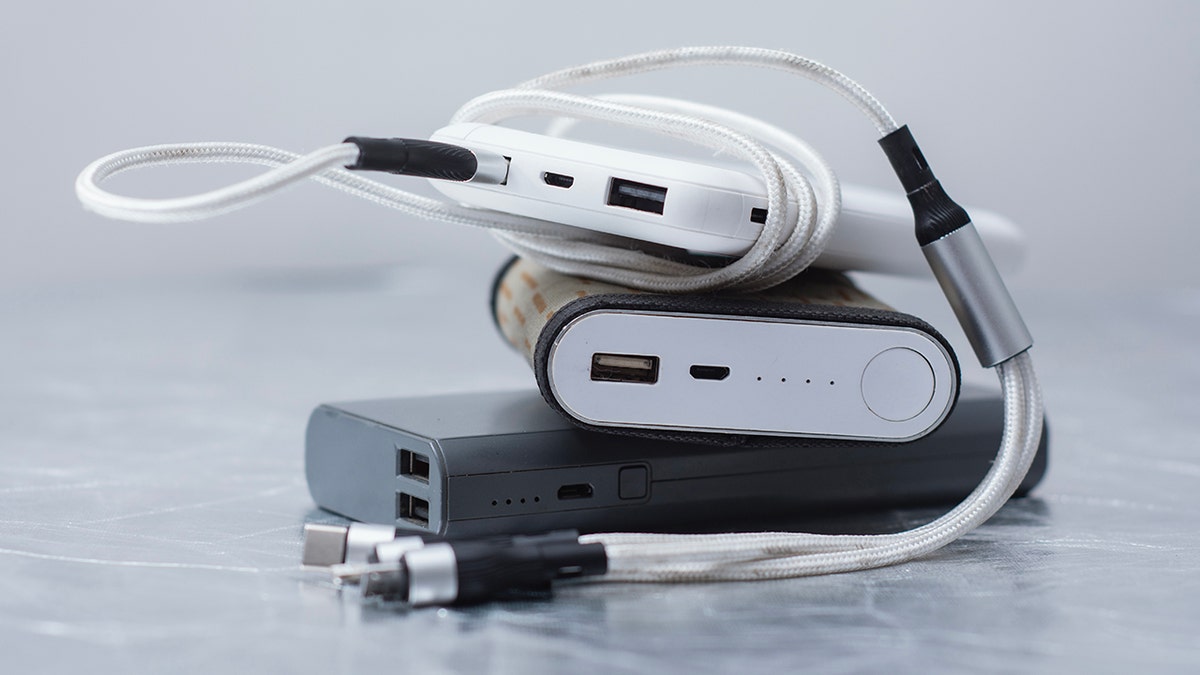 Portable charger
foxnews.com
Portable charger
foxnews.com
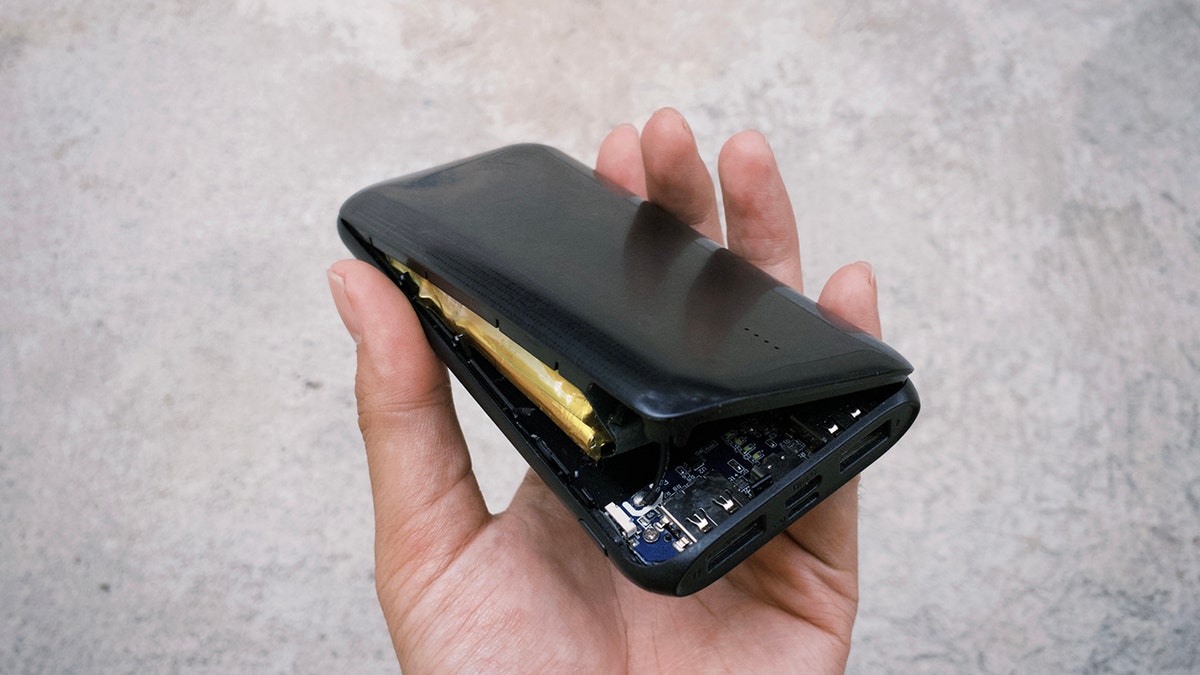 damaged portable charger that exploded
foxnews.com
damaged portable charger that exploded
foxnews.com
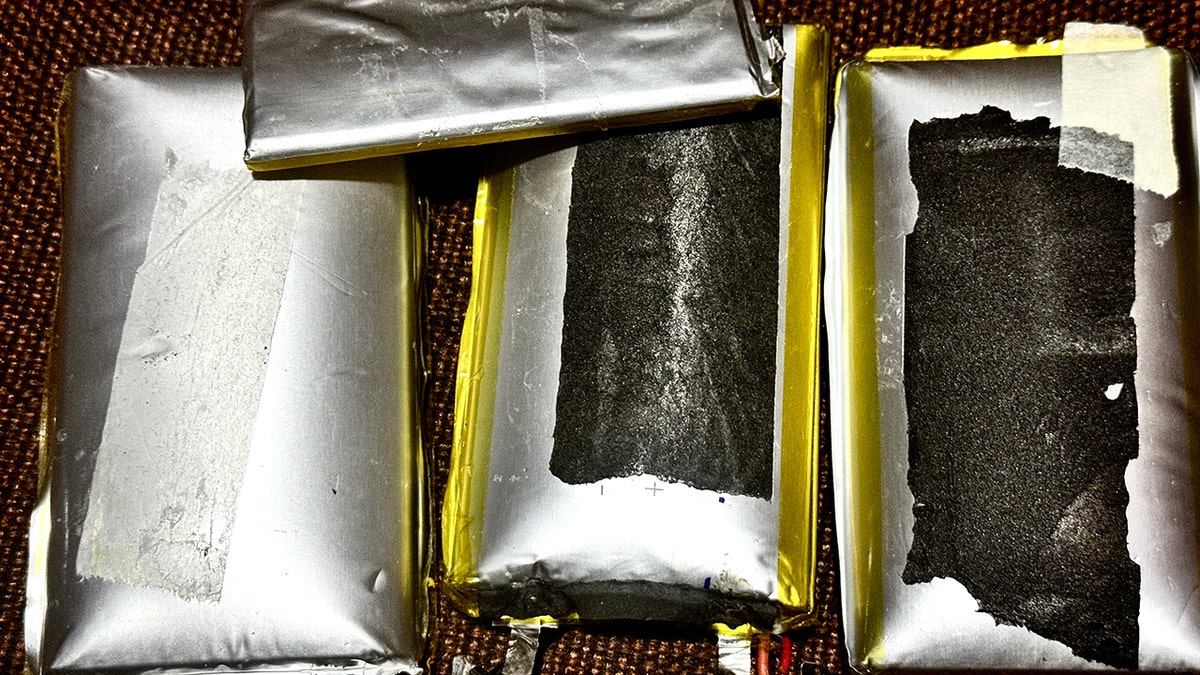 damaged lithium batteried from portable chargers
foxnews.com
damaged lithium batteried from portable chargers
foxnews.com
A Los Angeles sports reporter says she woke at 5 a.m. to a portable power bank “exploding” in her bed, burning a hole through her mattress and leaving her hospitalised with chemical burns, according to Fox News, citing local station KCAL-TV and the woman’s own video account.
The incident is a useful reminder that the modern “portable charger” is not a charger at all. It is a lithium-ion battery pack plus control electronics, sold into mass retail and online marketplaces through a long chain of brand licensing, OEM/ODM factories, and resellers. When it fails, the cost is borne by the end user — and the usual consumer “protection” is an after-the-fact recall, if anyone can even identify which batch and which factory produced the cells.
Technically, the failure modes are well understood. Most power banks use lithium-ion pouch cells or cylindrical 18650/21700 cells. Pouch cells can swell as gas forms from electrolyte decomposition; swelling may precede internal short circuits. A short can trigger thermal runaway: rapid self-heating, venting of flammable electrolyte, and ignition of nearby materials. “Chemical burns” can come from hot electrolyte and decomposition products, plus secondary burns from fire.
The key point is incentives. A reputable manufacturer pays for cell quality control, conservative charge/discharge limits, a proper battery management system (BMS), and certified protection circuits. In the low-to-mid market, competition is brutal and margins thin. The easiest way to win is to shave costs on the one component that is both expensive and hard for buyers to evaluate: the cells. Responsibility is diluted across brand, importer, marketplace, and factory; each can plausibly blame the other.
Consumers therefore need a practical checklist:
1) Chemistry and cells: Prefer power banks that specify cell type and have a track record; avoid “too-good-to-be-true” capacity claims (e.g., suspiciously cheap 20,000–30,000 mAh units).
2) Protection and BMS: Look for explicit overcharge, over-discharge, overcurrent, short-circuit, and temperature protections. A pack without thermal sensing is gambling.
3) Certifications: Treat UL 2056/UL 62368-1 (or equivalent) and reputable third-party testing as meaningful. Generic “CE” marks alone are not.
4) Charging behaviour: Avoid charging a power bank under pillows, in beds, or unattended overnight. Heat dissipation is part of the design; smothering it defeats that.
5) Physical condition: Retire any unit that swells, smells sweet/solvent-like, runs unusually hot, or shows case deformation.
The reporter’s suggestion of banning power banks on aircraft (raised in her video, per Fox News) is emotionally understandable but misdirected. The problem is not that portable batteries exist; it is that the market rewards opaque supply chains and unverifiable specs. The most effective regulation is often the kind private actors impose when they bear the cost: airlines, employers and venues can require specific certifications, while insurers can price fire risk. Today, the average consumer is left to discover the downside of “cheap energy density” the hard way — sometimes in their own bed.