
CIA retracts 19 intelligence reports after PIAB review
White nationalism and LGBT activism analyses among pulled products, State narrative management rebrands as impartiality
Images
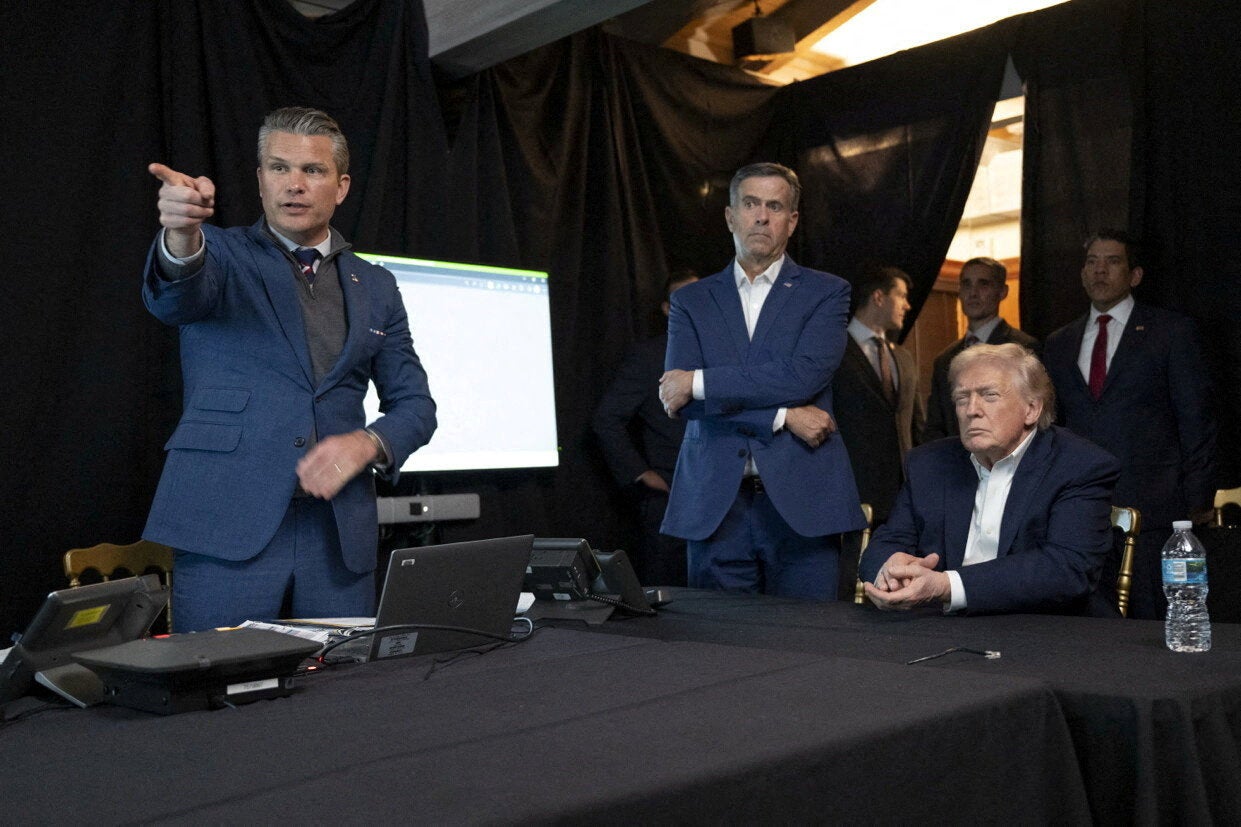 CIA Director John Ratcliffe, center, has ordered the ‘official retraction or substantive revision’ of 19 intelligence reports (via REUTERS)
via REUTERS
CIA Director John Ratcliffe, center, has ordered the ‘official retraction or substantive revision’ of 19 intelligence reports (via REUTERS)
via REUTERS
 Ratcliffe said the documents ‘exhibit substantial deviations’ from Donald Trump’s ‘expectations’ (Getty Images)
Getty Images
Ratcliffe said the documents ‘exhibit substantial deviations’ from Donald Trump’s ‘expectations’ (Getty Images)
Getty Images
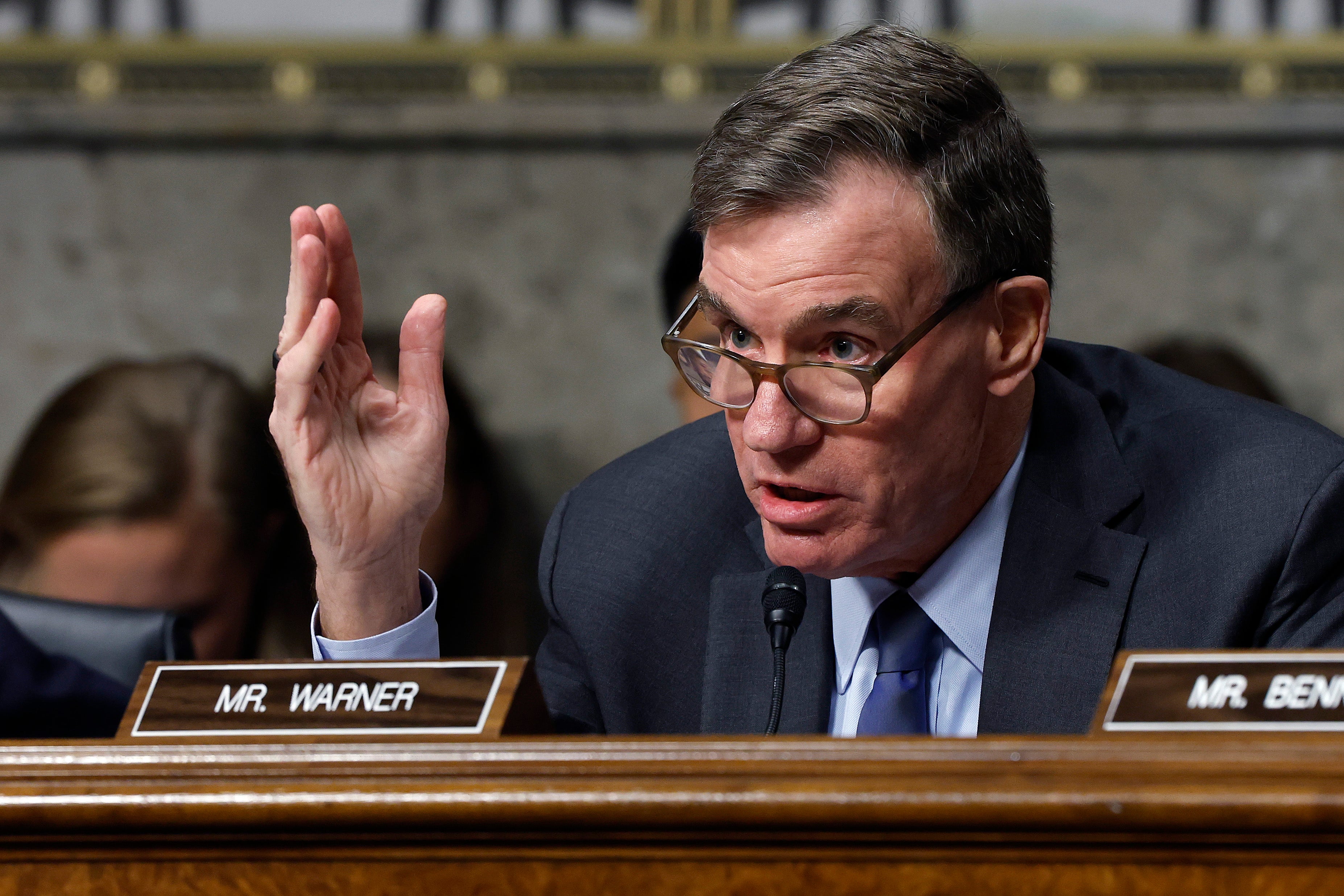 Senator Mark Warner, the top Democrat on the Senate Intelligence Committee, criticized the withdrawal as a politically motivated effort (Getty Images)
Getty Images
Senator Mark Warner, the top Democrat on the Senate Intelligence Committee, criticized the withdrawal as a politically motivated effort (Getty Images)
Getty Images
The CIA has pulled back 19 previously published intelligence products after an internal review concluded they “failed to be independent of political consideration,” a move that turns the agency’s analytic output into a public political battleground.
According to The Independent, CIA director John Ratcliffe ordered the “official retraction or substantive revision” of 19 reports following a review by the President’s Intelligence Advisory Board (PIAB). Seventeen were fully retracted and two were withdrawn for revision, with the agency releasing redacted versions of three. The reports span multiple administrations and include topics such as white nationalism, LGBT activism in the Middle East and North Africa, and pandemic-related contraception shortages.
On paper, this is a quality-control story: intelligence analysis that didn’t meet standards gets corrected. In practice, it is a lesson in how “analysis” becomes a state-branded media product — and how quickly bureaucracies adapt when the principal signals displeasure.
The key issue is not whether any one report was weak. It is the incentive structure created when intelligence agencies publish narrative-laden assessments to the general public. Once analysis is treated as a communications instrument, it enters the same political market as op-eds and campaign messaging, except with the authority premium of a seal that implies privileged access and institutional rigor. That authority is valuable: it can be used to elevate certain threat frames (domestic extremism, social movements, public health) into policy priorities, and to delegitimise others.
Ratcliffe’s statement, as quoted by The Independent, frames the retractions as restoring “impartiality” and removing “bias.” Yet the mechanism is inherently political: a politically appointed advisory body reviews “hundreds of analytic reports” and identifies which ones should be pulled. Democratic senator Mark Warner warned that when such a body appears to dictate acceptable analysis, it risks eroding confidence in intelligence objectivity. Republican senator Tom Cotton praised the move, claiming he has been “sending these kind of reports back to the CIA for years” as non-intelligence.
That bipartisan split is revealing. Each side is less concerned with epistemic standards than with controlling what can be authoritatively described as a “threat.” In a world where “extremism” labels can justify surveillance, funding streams, deplatforming pressure and law-enforcement focus, the boundary of legitimate intelligence topics is a power struggle over downstream coercion.
The CIA also reportedly told The Washington Post (cited by The Independent) that some reports relied on biased sources and covered inappropriate topics, and that analyst training has been “retooled.” Retooling is another way of saying: internal career incentives will now align with the new definition of acceptable framing.
For media consumers, the takeaway is simple: when the state publishes analysis for public consumption, it is not merely informing debate — it is attempting to set the debate’s parameters. The retractions do not end that practice; they merely change which narratives get the imprimatur.