
Australian frigate HMAS Toowoomba transits Taiwan Strait
China tracks passage as allied navies test freedom of navigation, shipping markets quietly price escalation risk
Images
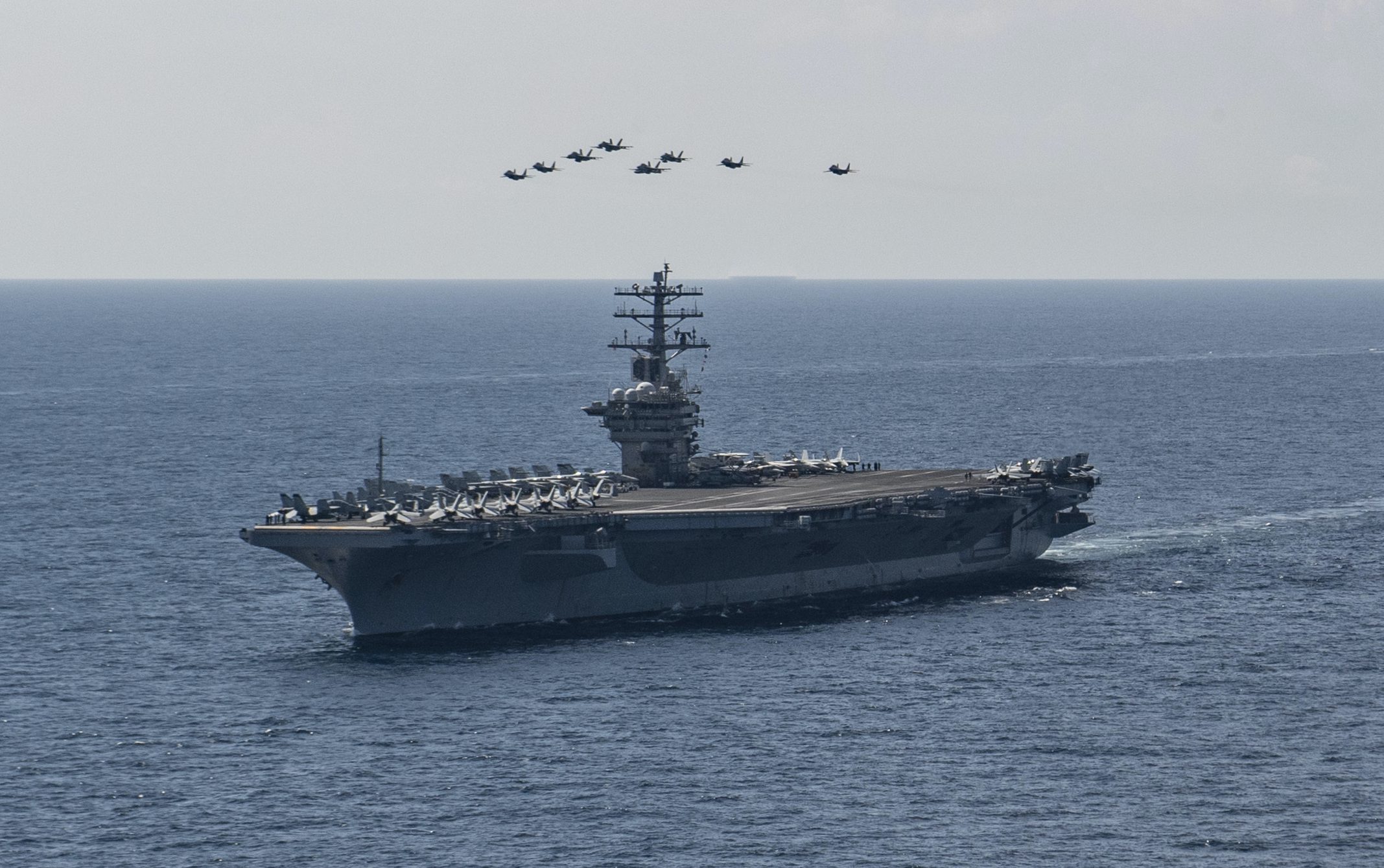 Australian Warship Sails Through Taiwan Strait as China Watches
gcaptain.com
Australian Warship Sails Through Taiwan Strait as China Watches
gcaptain.com
Australia has sent the Anzac-class frigate HMAS Toowoomba through the Taiwan Strait, a transit Beijing predictably framed as provocation and met with shadowing by Chinese naval forces, according to Reuters.
The manoeuvre itself is militarily modest: a single frigate moving through an international waterway that carries a large share of global container traffic and energy shipments. The significance lies in the incentive structure it triggers. For China, every “freedom of navigation” gesture by a US ally is an opportunity to convert a one-off symbolic act into an ongoing cost imposed on others: surveillance sorties, naval tracking, readiness cycles, and public signalling aimed at deterring repetition.
For Canberra and other Western capitals, the transit functions as a low-cost way to demonstrate alignment with the US-led security architecture without immediately committing to a fight. The political payoff is domestic and alliance-facing; the economic downside is largely externalised. The escalatory risk, however, is priced not in ministerial speeches but in shipping insurance premiums, rerouting decisions, and the capital costs of maintaining redundancy in supply chains.
That is where Beijing’s “cost model” matters. China does not need to close the strait to raise its strategic value. It can instead make the strait incrementally more expensive to use by normalising persistent monitoring and occasional harassment, pushing private actors—shipowners, charterers, insurers—toward a risk-adjusted equilibrium. In game-theory terms, the objective is not a dramatic victory but a shift in the baseline: turning contested presence into a routine tax on commerce.
This is a familiar pattern in grey-zone competition. A navy that can operate near home ports with shorter logistics lines can sustain higher tempo at lower marginal cost than distant powers rotating assets from across the globe. Each allied transit then becomes a repeated-play problem: if Australia does it once, China can respond in ways that make the next transit politically and economically costlier, while keeping its own response below the threshold that would unify a broader coalition.
The irony is that the loudest rhetoric about “rules-based order” often comes from states that rely on private markets to absorb the consequences of their signalling. Shipping firms cannot vote, but they can quietly reprice routes, demand higher rates, or reduce exposure. If governments want routine naval demonstrations, the honest accounting question is who pays the premium: taxpayers through expanded defence budgets, or consumers through higher freight costs.
Toowoomba’s passage is unlikely to change the balance of forces in East Asia. But it does help Beijing test what it really wants to know: how cheaply it can make the Taiwan Strait feel like a toll road without ever installing a toll booth.