
Brazil and India sign rare earths cooperation framework
Diversification pitch targets China processing chokehold, separation chemistry and subsidies decide who pays
Images
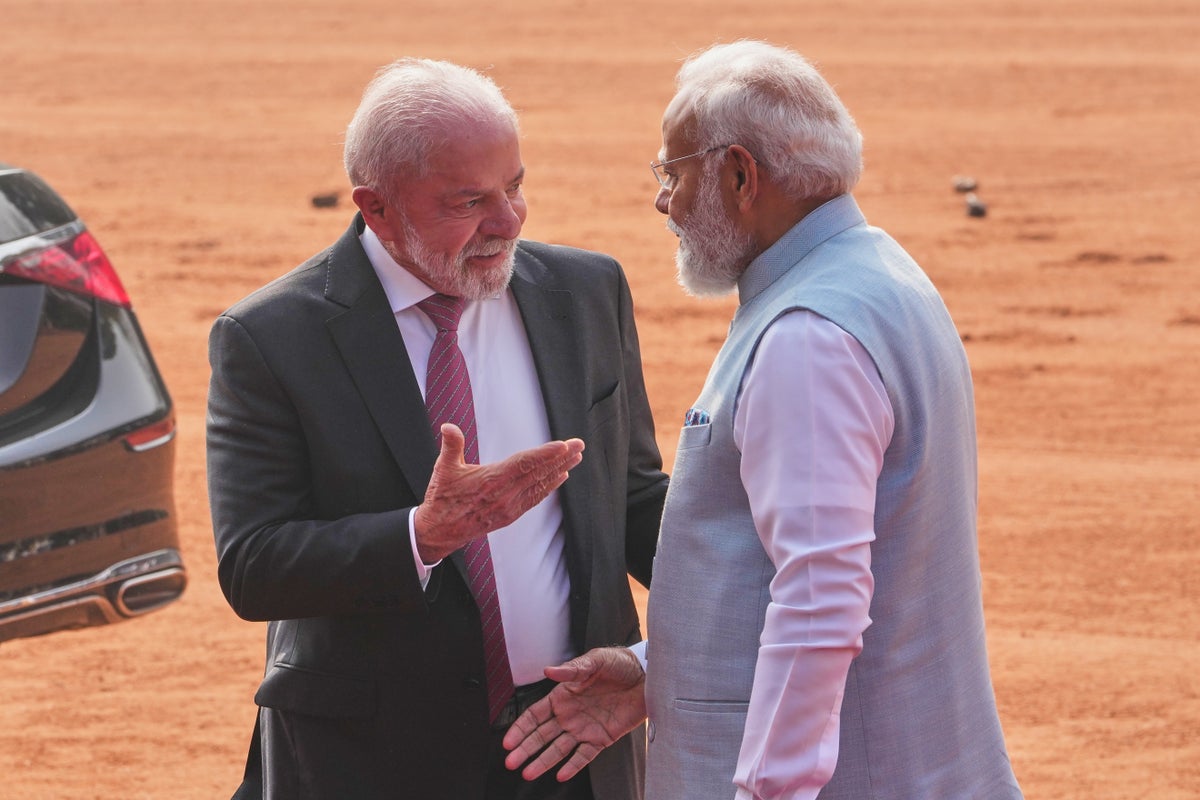 Brazil and India agree to boost cooperation on rare earths
independent.co.uk
Brazil and India agree to boost cooperation on rare earths
independent.co.uk
 India signs critical minerals deal with Brazil to curb dependance on China
aljazeera.com
India signs critical minerals deal with Brazil to curb dependance on China
aljazeera.com
Brazil and India have agreed a new framework to cooperate on critical minerals and rare earths, a move presented as “strategic autonomy” but supply-chain insurance against China’s near-monopoly in processing and refining.
The Independent reports that the two countries signed a non-binding memorandum of understanding covering reciprocal investment, exploration and mining, and even applications of artificial intelligence. Brazilian President Luiz Inácio Lula da Silva said expanding cooperation on renewable energy and critical minerals was “at the core” of the agreement. Brazil holds the world’s second-largest rare earth reserves, while India is simultaneously trying to build domestic magnet and processing capacity—an ambition that has repeatedly collided with the unglamorous bottleneck: separation chemistry, not ore in the ground.
The deal’s political selling point is diversification away from both China and the United States. But the economics are harsher. Rare earths are not scarce in geological terms; what is scarce is permitted, financed, and operational separation capacity, plus the downstream metallurgical know-how to turn oxides into usable alloys and permanent magnets at scale. That capacity is capital-intensive, environmentally contentious, and heavily exposed to regulatory risk—exactly the kind of risk private investors price aggressively unless governments socialise it.
Memoranda are cheap. The hard question is who bears the cost of building an alternative value chain when China can undercut prices during the build-out phase and then tighten supply later. If governments step in with subsidies, offtake guarantees, or concessional finance, they may create a new dependency: not on Chinese refiners, but on domestic political budget cycles and patronage-driven industrial policy.
The Independent notes Lula arrived in India with 11 ministers and a large business delegation, calling it perhaps his biggest foreign trip delegation—an honest signal that the project is as much about state-to-state dealmaking as it is about markets finding efficient suppliers. International relations analyst Oliver Stuenkel described the logic as “the more partners, the better” in a turbulent environment.
Brazil’s own recent tariff confrontation with Washington—triggered by U.S. measures tied to the trial of former president Jair Bolsonaro—has sharpened Brasília’s incentive to treat minerals as geopolitical leverage, according to the Independent. That may play well in negotiations, but it also invites a familiar trap: turning a complex industrial challenge into a diplomatic talking point.
If India and Brazil are serious, the next milestones won’t be photo-ops, but permits for chemical plants, credible waste handling, long-term power contracts, and private capital that is willing to lose money for years without being rescued by taxpayers. Until then, the agreement functions mainly as a hedge: a declaration that both sides would like an option on non-Chinese supply—without yet paying the full premium.