
Pakistan resumes intelligence-based strikes near Afghanistan border
TTP sanctuary dispute exposes Kabul control limits, deterrence purchased with escalation and refugee risk
Images
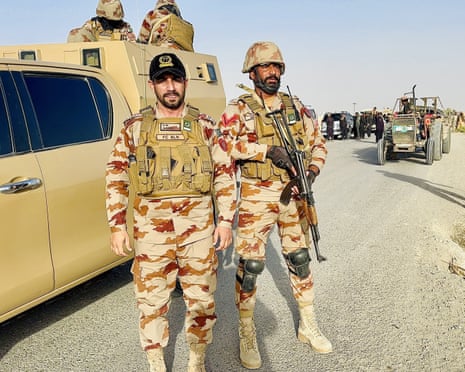 Pakistani soldiers patrol the Pakistan-Afghan border. The attacks targeted the Pakistani militants blamed for recent attacks inside the country. Photograph: Akhtar Gulfam/EPA
theguardian.com
Pakistani soldiers patrol the Pakistan-Afghan border. The attacks targeted the Pakistani militants blamed for recent attacks inside the country. Photograph: Akhtar Gulfam/EPA
theguardian.com
 Two soldiers killed during military operation in Pakistan’s northwest: Army
aljazeera.com
Two soldiers killed during military operation in Pakistan’s northwest: Army
aljazeera.com
Pakistan has resumed what it calls “intelligence-based, selective operations” against militant hideouts along the Afghan border, signalling a return to cross-border coercion after a surge in attacks inside Pakistan. According to the Associated Press via The Guardian, Information Minister Attaullah Tarar said the military struck seven camps linked to Tehreek-e-Taliban Pakistan (TTP) and affiliates, and also targeted an Islamic State affiliate. Islamabad did not specify locations, while social media reports suggested at least some strikes occurred inside Afghanistan.
The latest operations followed a string of high-casualty attacks in Khyber Pakhtunkhwa. The Guardian reports that a suicide bomber rammed an explosives-laden vehicle into a security post wall in Bajaur, collapsing part of the compound and killing 11 soldiers and a child; authorities said the attacker was an Afghan national. Al Jazeera separately reported that two Pakistani soldiers were killed in a suicide attack on a security convoy in Bannu.
Pakistan’s military warned it would not “exercise any restraint” and would pursue those responsible “irrespective of their location,” language that effectively treats the border as a legal fiction when armed networks can operate with sanctuary. This is the core principal–agent problem Islamabad is highlighting: Afghanistan’s Taliban government is the nominal sovereign, but Pakistan argues it either cannot or will not control the TTP—an allied but formally separate movement—from using Afghan territory to plan and stage attacks. Tarar claimed “conclusive evidence” that recent attacks were directed by Afghanistan-based leadership and handlers, including an earlier bombing at a Shiite mosque in Islamabad that killed 31 worshippers, according to The Guardian.
Islamabad is also trying to internationalise the dispute by invoking the Doha agreement framework, urging outside pressure on Kabul to prevent its soil being used against neighbours. That move is less about legal sincerity than about shifting the diplomatic cost of escalation: if Pakistan can frame strikes as enforcement of an existing bargain, it hopes to reduce reputational penalties.
But deterrence purchased through cross-border raids carries predictable spillovers. Each strike increases the Taliban’s incentive to deny cooperation publicly, tolerate retaliation by proxies, or tighten controls on border trade and transit—raising economic friction in already fragile frontier districts. It also risks renewed refugee pressure if civilians flee contested areas, and it invites tit-for-tat dynamics that are easy to start and hard to price.
A Qatar-mediated ceasefire has “largely held,” The Guardian notes, but talks in Istanbul failed to produce a formal agreement and relations have remained strained since deadly border clashes in October. Pakistan’s latest posture suggests it has decided that waiting for Kabul to govern the borderlands is costlier than acting unilaterally—accepting escalation risk as the premium on a security insurance policy that may or may not pay out.