
Boris Johnson urges UK-Europe to deploy non-combat troops to Ukraine now
Non-combat label collides with ROE and Russian strike reality
Images
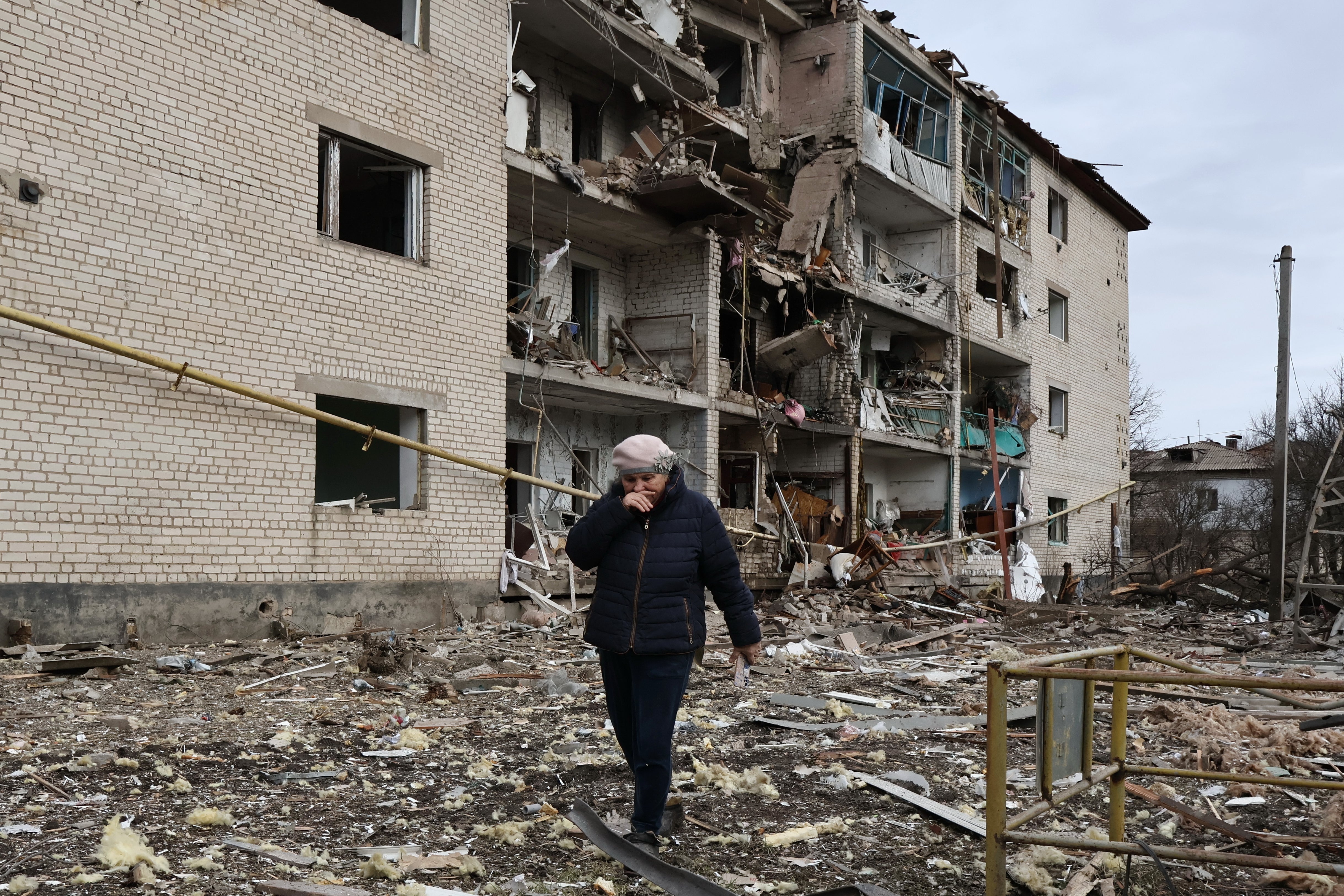 Speaking ahead of the fourth anniversary of Russia’s full-scale invasion, Mr Johnson told the BBC that these troops should be stationed in peaceful regions (Ukrainian 65 Mechanized brigade)
Ukrainian 65 Mechanized brigade
Speaking ahead of the fourth anniversary of Russia’s full-scale invasion, Mr Johnson told the BBC that these troops should be stationed in peaceful regions (Ukrainian 65 Mechanized brigade)
Ukrainian 65 Mechanized brigade
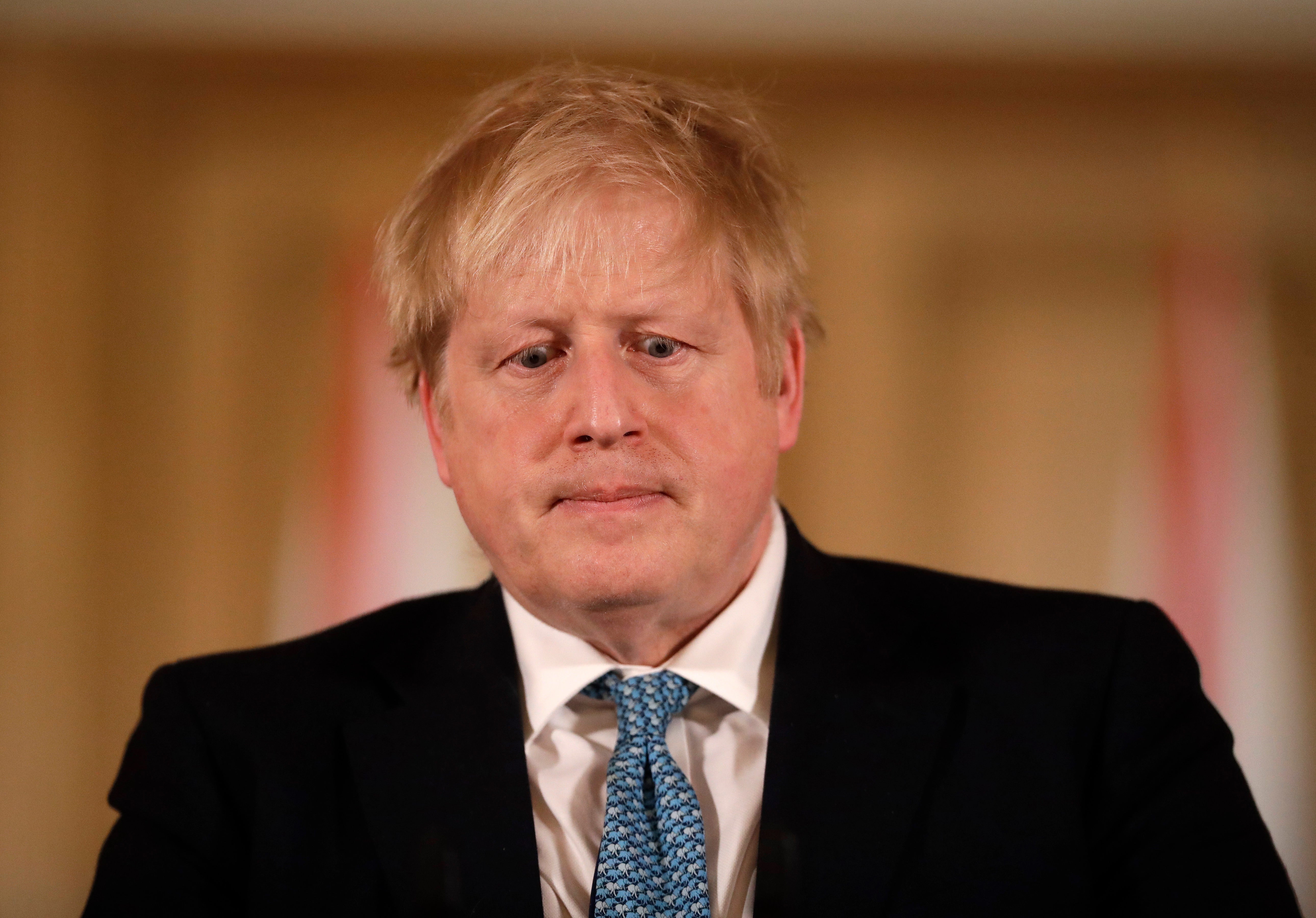 Speaking ahead of the fourth anniversary of Russia’s full-scale invasion, Mr Johnson told the BBC that these troops should be stationed in peaceful regions (AP)
independent.co.uk
Speaking ahead of the fourth anniversary of Russia’s full-scale invasion, Mr Johnson told the BBC that these troops should be stationed in peaceful regions (AP)
independent.co.uk
Boris Johnson wants the UK and European allies to send “non-combat” troops to Ukraine immediately—before any ceasefire—arguing that waiting to deploy a post-war stabilization force hands Vladimir Putin the initiative.
In remarks to the BBC reported by The Independent, the former British prime minister said troops could be stationed in “peaceful regions” in roles that are “non-fighting,” as a demonstration of Western commitment to Ukrainian independence. Britain’s Ministry of Defence responded by restating current policy: London is working with a “coalition of the willing” on plans for a multinational force, but only after hostilities end.
Johnson’s proposal is, in one sense, familiar: Western governments routinely discover new vocabulary when they want to change facts on the ground without admitting they are changing facts on the ground. “Non-combat troops” is the latest entry in a long tradition that includes “advisers,” “trainers,” “technical personnel,” and “peacekeepers.”
Technically, the problem is not semantics but mission design. Any deployment requires a mandate (Ukrainian invitation may be sufficient politically, but not legally for every participating state), a status-of-forces agreement, basing rights, logistics corridors, medical evacuation, intelligence-sharing, and—most importantly—rules of engagement (ROE). Even if a unit is tasked with training, demining, guarding infrastructure, or running logistics hubs, it must still define when it can use force, against whom, and under what escalation ladder.
That ladder collapses quickly in Ukraine. Russia has repeatedly used long-range strikes against infrastructure and rear-area targets. Putin has also explicitly warned that foreign troops in Ukraine would be “legitimate targets,” according to The Independent. The moment a “non-combat” unit is shelled, drones are launched at its base, or a convoy is hit, the legal fiction meets the operational reality: either the force can defend itself robustly (and becomes a combatant in practice), or it cannot (and becomes a hostage to the adversary’s restraint).
Johnson frames this as a test of whether Ukraine is a “free country” versus a Russian “vassal state.” He also blames the war on prior Western failures—from the weak response to Crimea in 2014 to the US withdrawal from Afghanistan—arguing that perceived Western retreat emboldened Putin.
But the real question is who controls escalation decisions once foreign uniforms are on Ukrainian soil. A pre-ceasefire deployment would not merely “signal support”; it would create tripwires that shift decision-making from Kyiv to a multi-capital committee managing casualty tolerance, domestic politics, and alliance cohesion.
That may be exactly what Johnson wants: a way to lock in commitment. Yet it is also the classic politician’s move—convert a strategic choice into an irreversible bureaucratic fact pattern, then call the resulting constraints “necessity.”