
Avalanches kill at least five in Austria’s Tirol
Off-piste tourism meets state-funded rescue as risk pricing stays fictional
Images
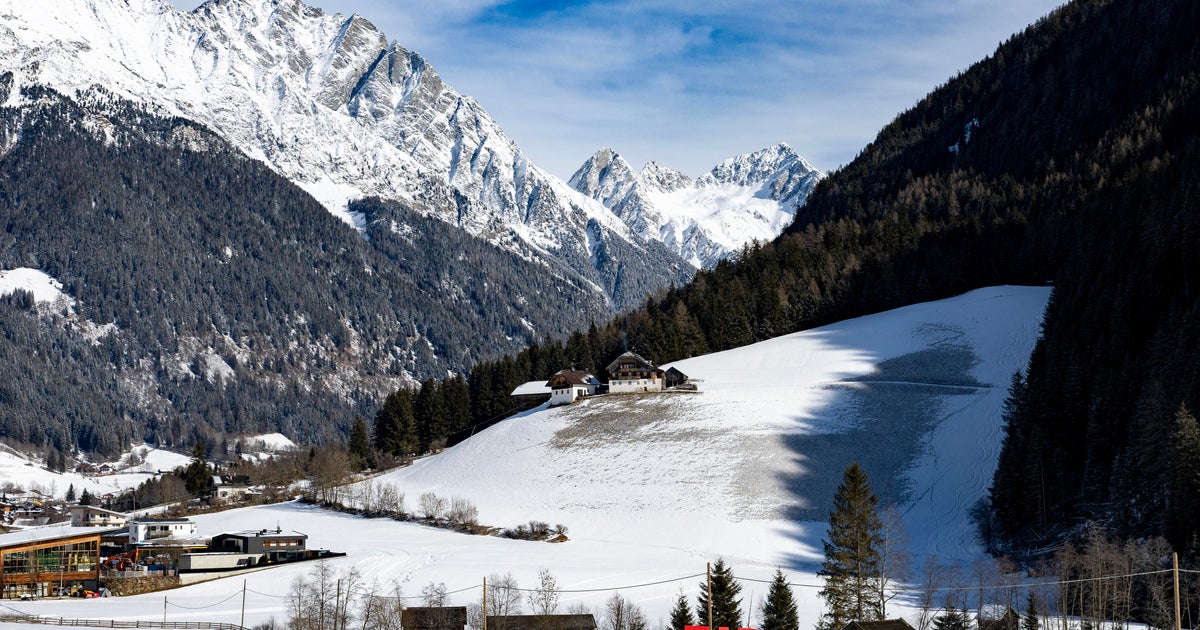 At least 5 killed, including American, in a string of avalanches in western Austria
cbsnews.com
At least 5 killed, including American, in a string of avalanches in western Austria
cbsnews.com
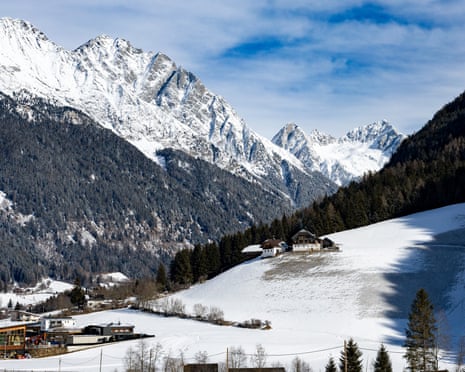 Nearly three dozen avalanche incidents took place in Tirol on Friday and more than 200 in the past week, according to its governor’s office. Photograph: Odd Andersen/AFP/Getty Images
theguardian.com
Nearly three dozen avalanche incidents took place in Tirol on Friday and more than 200 in the past week, according to its governor’s office. Photograph: Odd Andersen/AFP/Getty Images
theguardian.com
A run of deadly avalanches in Austria’s Tirol has killed at least five people and triggered large-scale rescue responses—exactly the kind of “free” backstop that quietly subsidizes risk-taking in Europe’s winter tourism economy.
CBS News reports that at least five people were killed in a string of avalanches in western Austria, including an American. The Guardian, citing the Associated Press, says intense snowfall over the past week left accumulations of up to 1.5 meters, while strong winds and a weak underlying snowpack created classic slab conditions.
The most severe incident occurred near St Anton am Arlberg, where Tirol police said five off-piste skiers were caught in an avalanche roughly 450 meters wide at about 2,000 meters altitude. Authorities recovered the bodies of an American and a Pole among the dead, and a 21-year-old Austrian later died of injuries after being transported to hospital, according to the AP account carried by the Guardian.
Other fatalities were reported across the region: in Nauders-Bergkastel, a 42-year-old German man and his 16-year-old son were hit; the teenager survived with injuries and called for help, while the father died. In neighboring Vorarlberg, police said a 39-year-old Swiss snowboarder died after being caught off-piste near Klösterle.
The scale of incidents is striking. Tirol’s governor’s office said nearly three dozen avalanche incidents were recorded on Friday alone and more than 200 over the past week. The office said 11 people had already died in avalanches this month.
Public officials responded with a blend of sorrow and encouragement. Governor Anton Mattle warned that fresh snowfall was “drawing many people to the mountains – even off-piste,” calling the deaths “painful.” The resort economy sells access, experiences, and the aura of managed danger, while the expensive tail risk is largely socialized.
When dozens of mountain-rescue teams, ambulances, fire services, and dog squads are deployed—as the AP report notes for the St Anton operation—the bill does not land on the lift-ticket price. Nor does it land on the marketing copy that normalizes “off-piste” as merely a lifestyle upgrade. The result is predictable moral hazard: if the rescue is assumed, the perceived marginal cost of taking the next line drops.
None of this is an argument for banning backcountry skiing. It is an argument for honest pricing and responsibility. If regions want to keep selling high-risk tourism while relying on state-funded rescue and healthcare, they should at least admit they are running an implicit insurance scheme—one that charges everyone and bills the thrill-seekers last.
With authorities warning that “no relief is in sight” for the weather, Tirol’s avalanche story is not just a tragedy. It is a recurring fiscal model: privatize the upside of winter tourism, socialize the downside when the slope cashes in its physics.