
India extends approval for Russian marine insurers
China buys distressed Russian crude cargoes India avoids, sanctions enforcement shifts from speeches to P&I paperwork
Images
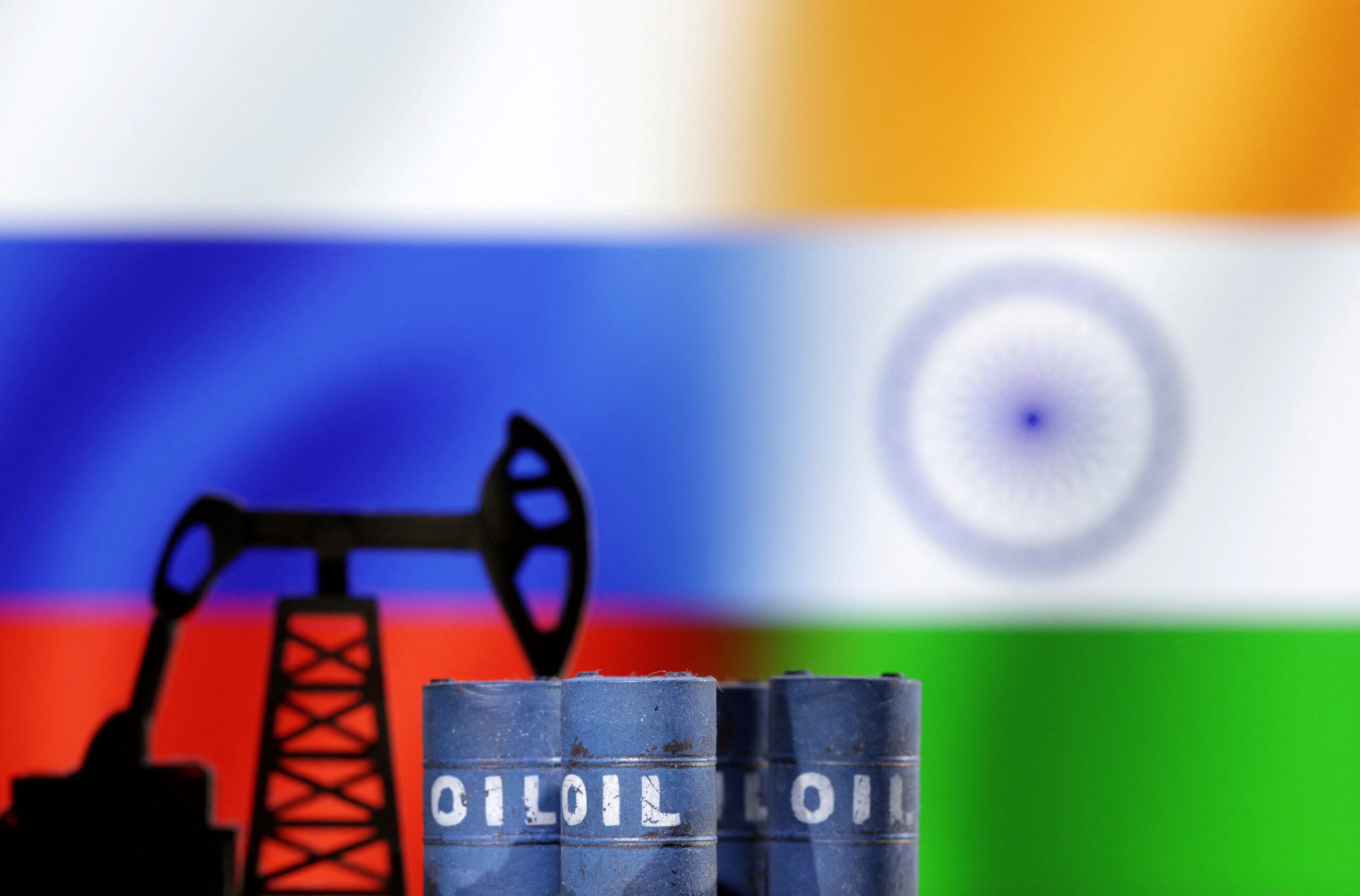 India Grants One-Month Extension to Russian Marine Insurers
gcaptain.com
India Grants One-Month Extension to Russian Marine Insurers
gcaptain.com
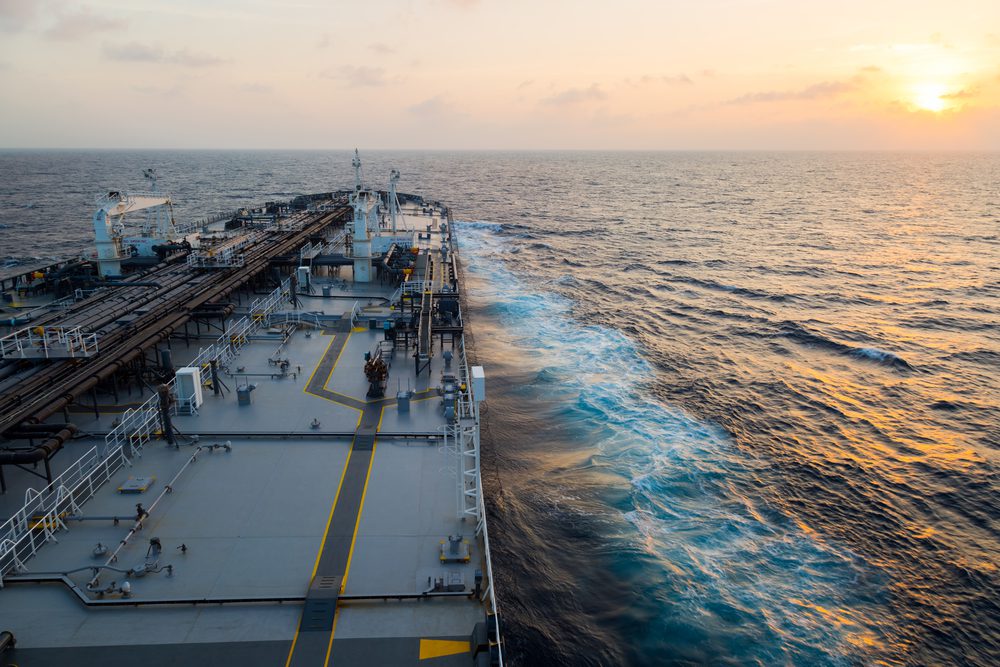 China Snaps Up Distressed Russian Oil Cargoes Shunned by India
gcaptain.com
China Snaps Up Distressed Russian Oil Cargoes Shunned by India
gcaptain.com
India’s incremental tightening of marine insurance rules for Russian cargoes is reshuffling who buys what in Asia’s oil market—and highlighting where sanctions actually bite: not at the refinery gate, but inside the paperwork stack.
According to Bloomberg reporting republished by gCaptain, India has granted a one-month extension to approvals for Russian marine insurers. The move matters because most ports, lenders, and counterparties treat protection-and-indemnity (P&I) cover—typically backed by large international clubs and reinsurance markets—as the passport that lets a tanker trade without becoming a floating legal dispute. When that infrastructure is contested, “cheap” barrels become expensive in the only currency that counts: settlement certainty.
In parallel, Bloomberg via gCaptain reports that China has been snapping up “distressed” Russian oil cargoes that India has been reluctant to take. The subtext is not a sudden outbreak of virtue in New Delhi or a newfound appetite for controversy in Beijing. It’s arbitrage across compliance regimes. India’s refiners have spent years optimizing for discounted Russian crude, but they also need access to Western finance, shipping services, and export markets for refined products. When insurance documentation looks shaky—or when counterparties fear secondary sanctions exposure—Indian buyers can pause, renegotiate, or demand different routing and cover. Someone else then takes the cargo at a deeper discount.
China, with more state-directed trading and a higher tolerance for political risk (or a different set of political patrons), can step in when cargoes are “shunned.” The result is a two-tier market: one lane where barrels move with Western-style insurance and banking rails, and another where they move through alternative insurers, flags, shipowners, and payment channels. The moral lectures happen on television; the real enforcement happens in underwriting committees.
Sanctions policy keeps drifting toward financial plumbing. Price caps and embargoes are hard to police physically on the ocean. But insurers, classification societies, reinsurers, and banks are chokepoints with centralized compliance departments and existential fear of being cut off from dollar clearing. If you can make mainstream P&I coverage uncertain, you don’t need to chase every tanker—you just raise the friction until only the most risk-tolerant buyers remain.
For India, the one-month extension reads like a classic bureaucratic compromise: preserve supply flexibility while avoiding a clean break that would strand cargoes and spike domestic prices. For China, “distressed” cargoes are simply a discount schedule created by other people’s regulators.
The sanctions regime is a market design contest—one where the winning side is whoever controls the boring institutions that make trade boring.