
NASA slips Artemis II to April after SLS helium flow anomaly
Rollback-to-VAB culture turns Moonshot into perpetual schedule management
Images
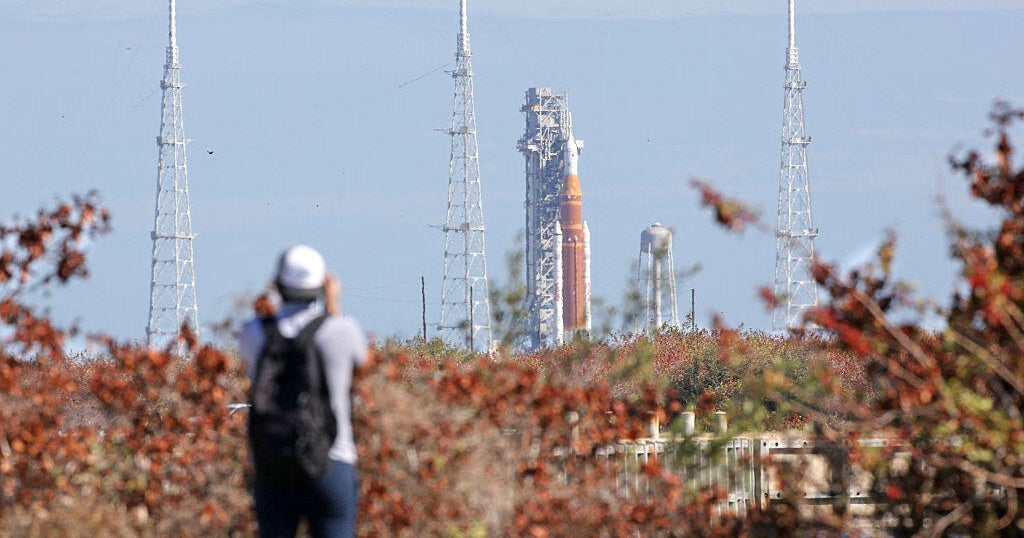 NASA's Artemis II rocket hit by new problem expected to bump moonshot into early April
cbsnews.com
NASA's Artemis II rocket hit by new problem expected to bump moonshot into early April
cbsnews.com
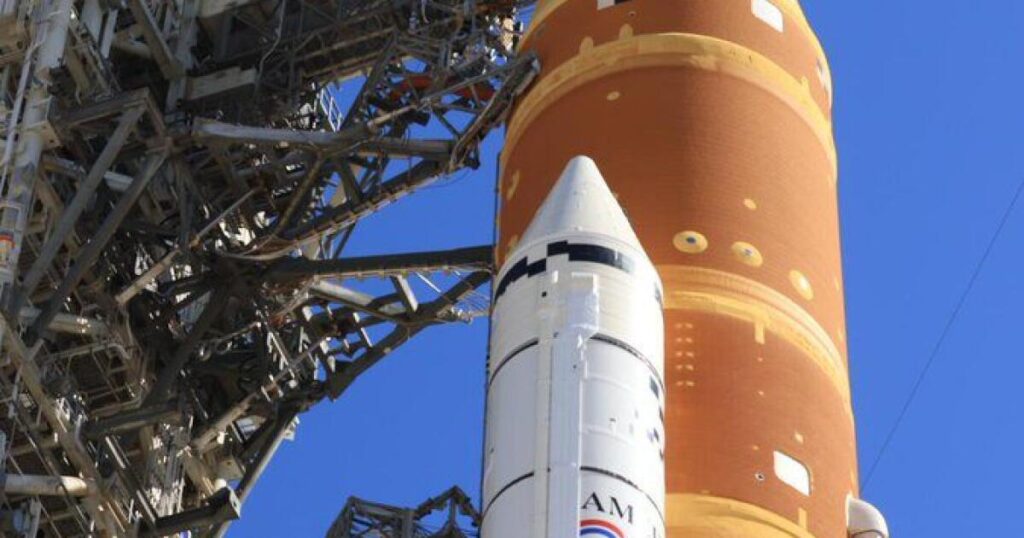 Latest NASA rocket problem expected to bump astronauts’ Artemis moon mission into April
dnyuz.com
Latest NASA rocket problem expected to bump astronauts’ Artemis moon mission into April
dnyuz.com
NASA’s Artemis II crewed lunar flyby has slipped again, and the proximate cause is almost comically on-brand: a helium flow anomaly inside the Space Launch System (SLS) stack that was discovered during final processing at Kennedy Space Center.
CBS News reports NASA had been targeting March 6 for launch, but the new issue is expected to push the mission into April. Le Monde, citing AFP, says NASA administrator Jared Isaacman told the public the rocket will likely be rolled back into the Vehicle Assembly Building for troubleshooting—effectively ruling out the March window and ending the astronauts’ prelaunch quarantine early.
Technically, helium on large cryogenic launch vehicles is not a decorative gas: it’s used to pressurize propellant tanks and manage feed systems. A “flow problem” can mean anything from regulator behavior and line restrictions to sensor faults or valve timing—none of which are exotic physics, and all of which are the sort of integration gremlins that get worse when your system is assembled like a cathedral rather than iterated like a product.
That’s the deeper story. Artemis II is a single, bespoke stack: Boeing’s SLS core stage, Northrop Grumman solid rocket boosters, and Lockheed Martin’s Orion spacecraft. When a late-stage discrepancy appears, the institutional reflex is rollback, paperwork, boards, and schedule reshuffles—because the program’s real deliverable is compliance with an internal process and a congressional coalition, not flight rate.
Compare this to the commercial launch world NASA increasingly depends on in parallel. SpaceX and other commercial operators treat anomalies as inputs to the next build: hardware flies, fails, gets torn down, and flies again. The learning loop is short because the production loop is real.
SLS/Orion is the opposite: a low-cadence, high-cost system where every launch is a political event, and therefore every technical deviation becomes an argument for more review and more contract months. Artemis was sold as a return to the Moon with urgency. Yet the operational reality looks like a permanent “next quarter” project, where the safest move is always delay—because delay is the one outcome that never threatens the funding line.
NASA says April windows exist, and they probably do. But what Artemis II keeps demonstrating is not American lunar ambition; it’s the durability of a procurement model that treats time itself as a billable resource.