
US Ambassador Mike Huckabee says Israel can take all Middle East
Diplomatic post becomes cable-news activism, US credibility traded for domestic applause
Images
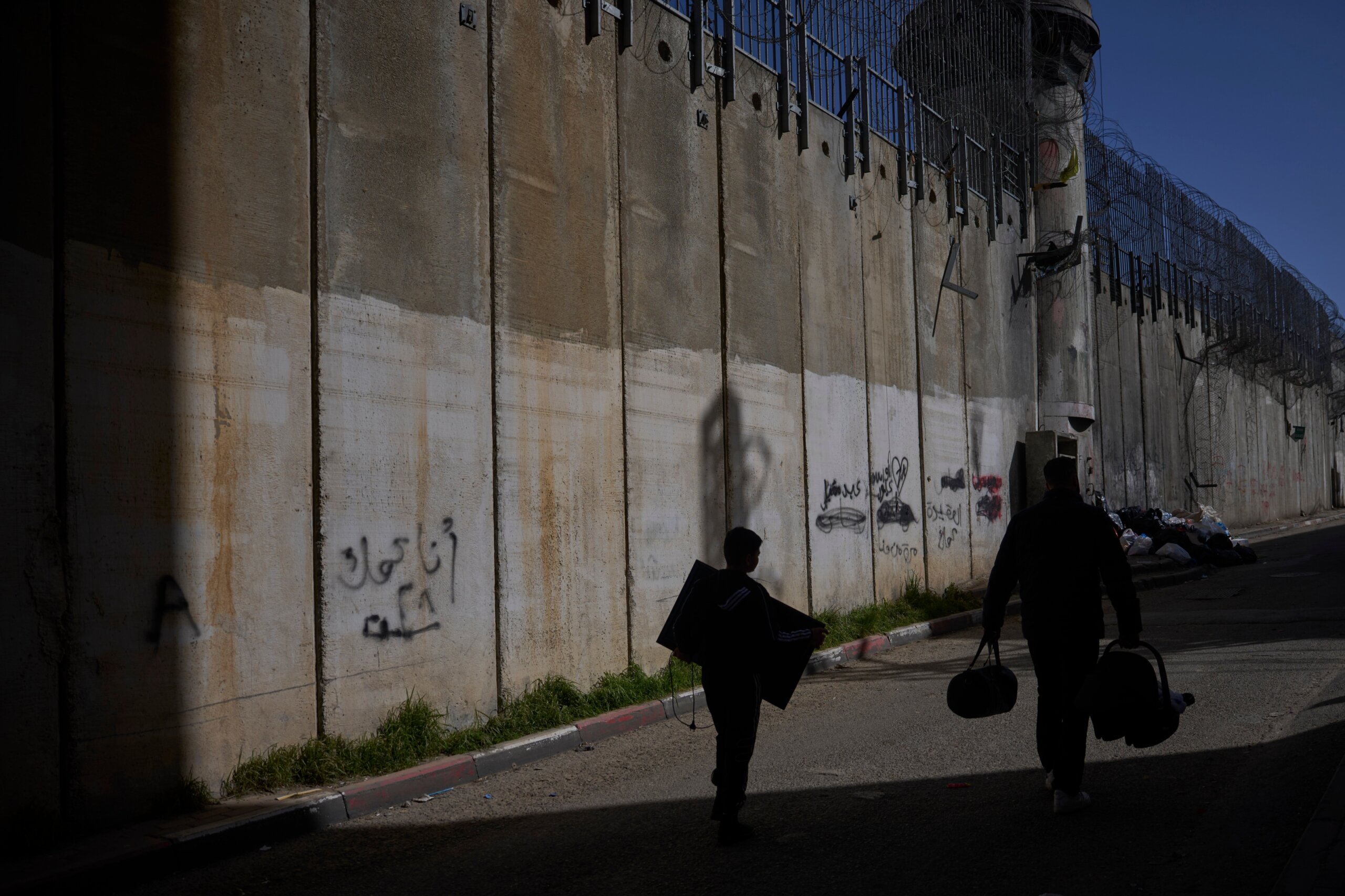 US ambassador causes uproar by claiming Israel has a right to much of the Middle East - WTOP News
wtop.com
US ambassador causes uproar by claiming Israel has a right to much of the Middle East - WTOP News
wtop.com
US Ambassador to Israel Mike Huckabee has offered a remarkably candid preview of what happens when diplomacy is treated as a domestic culture-war extension: allies become props, borders become vibes, and credibility becomes optional.
In an interview cited by The Hill, Huckabee said it would be “fine” if Israel “took all of the Middle East,” a line that reads less like statecraft than a talk-radio thought experiment—except it is being delivered by a sitting ambassador. WTOP reports the comments triggered an uproar after Huckabee claimed Israel has a “right to much of the Middle East,” language that effectively normalizes expansive territorial entitlement as a legitimate premise of US policy.
The substance matters because ambassadors are not freelance pundits; they are the speaking apparatus of the executive branch. When that apparatus publicly blesses maximalist territorial claims, it narrows Washington’s room to maneuver in any future crisis. It also signals to regional actors—friends and enemies alike—that the US is comfortable discarding the idea that borders and sovereignty are constraints rather than bargaining chips.
There is also a strategic contradiction baked in. Official US policy has historically oscillated between supporting Israel’s security and insisting—at least rhetorically—on negotiated outcomes and some form of territorial settlement. Huckabee’s framing swaps that ambiguity for ideological clarity: Israel’s claims are not merely defensible; they are rightful. That may play well in US domestic politics, but it is an expensive message to export into a region where regime legitimacy and security doctrine are often calibrated to perceived external threats.
The Hill notes the remarks were discussed in the context of US media politics, including Tucker Carlson’s platform—another hint that the target audience is not the Israeli cabinet or Arab governments, but American viewers. Diplomacy, in this model, becomes a content vertical.
The episode is a reminder that state power does not become less dangerous when it speaks in moral absolutes. If a US ambassador can casually endorse regional takeover as “fine,” the question is not whether Washington will be seen as an honest broker—it won’t—but how quickly US commitments mutate into blank checks that entangle Americans in conflicts they neither voted for nor can exit.
A state that cannot restrain its rhetoric rarely restrains its instruments. And in the Middle East, rhetorical permission slips have a habit of turning into real ones.