
Cuba-bound Russian fuel tanker stress-tests US sanctions-by-compliance
Insurance and port access become blockade tools while Havana rationing deepens, Scarcity hits civilians first and props up state distribution monopoly
Images
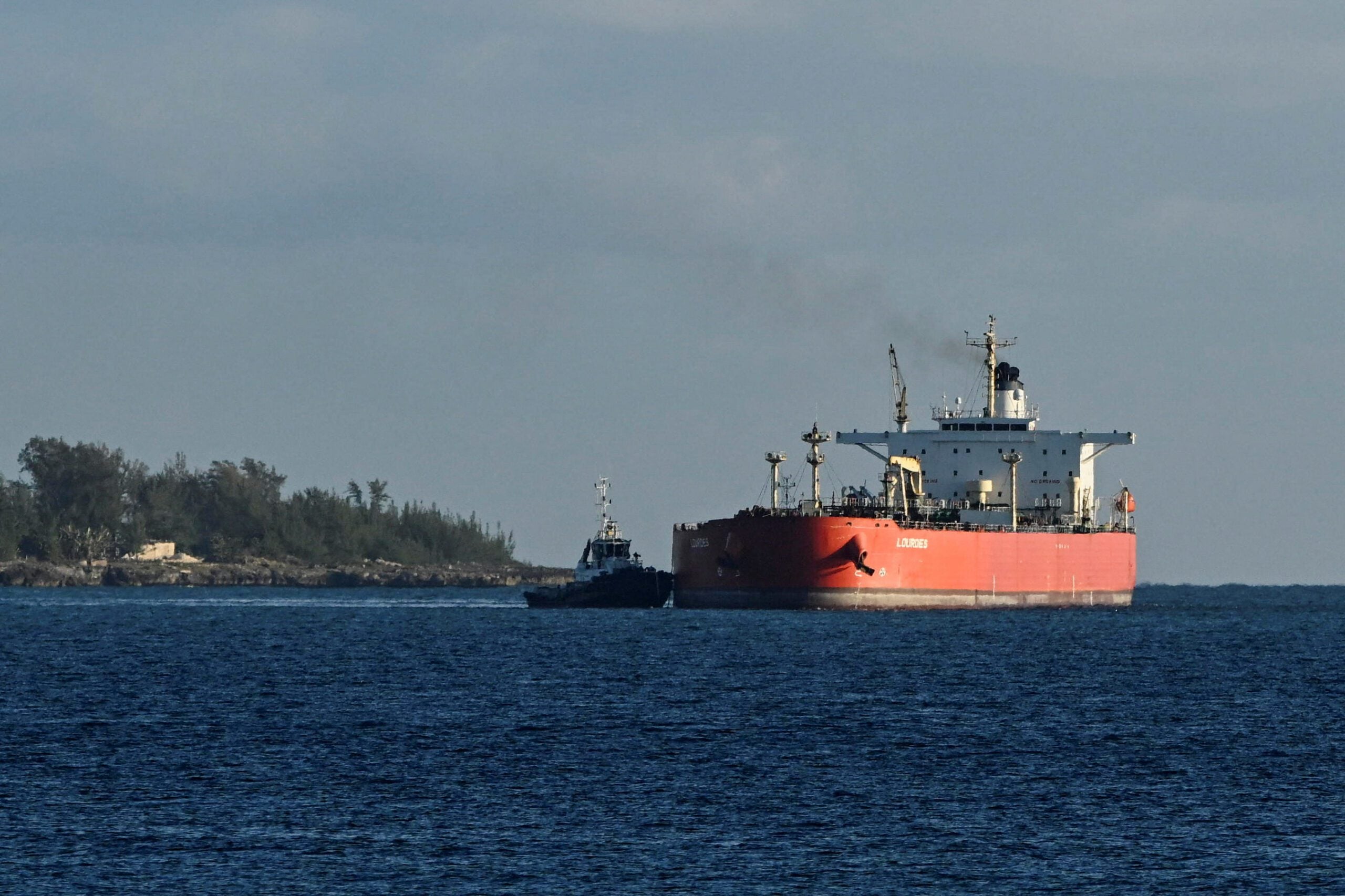 Cuba Bound Tanker Carrying Russian Fuels To Test Trump Blockade
gcaptain.com
Cuba Bound Tanker Carrying Russian Fuels To Test Trump Blockade
gcaptain.com
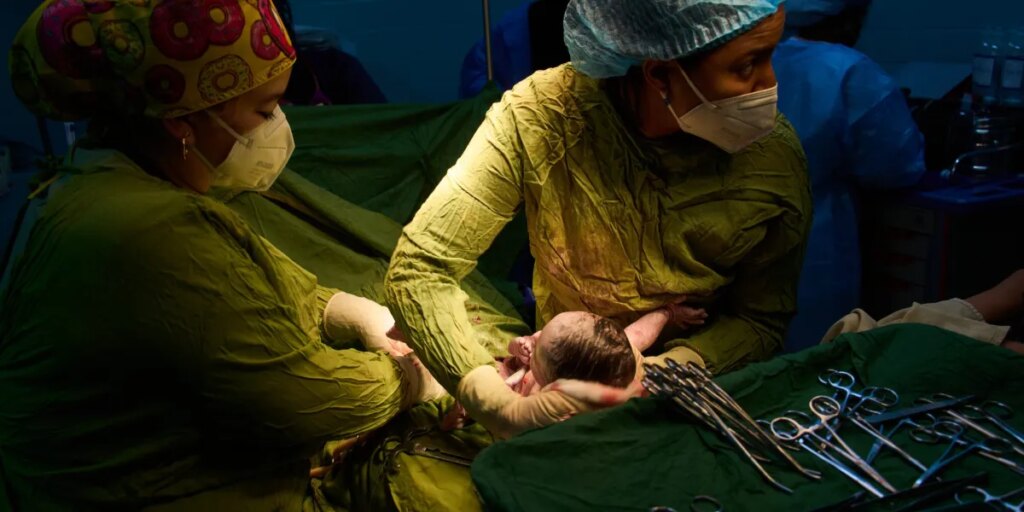 U.S. blockade of Cuba’s oil supply is not only crippling the island’s economy but also threatening ‘basic human safety,’
dnyuz.com
U.S. blockade of Cuba’s oil supply is not only crippling the island’s economy but also threatening ‘basic human safety,’
dnyuz.com
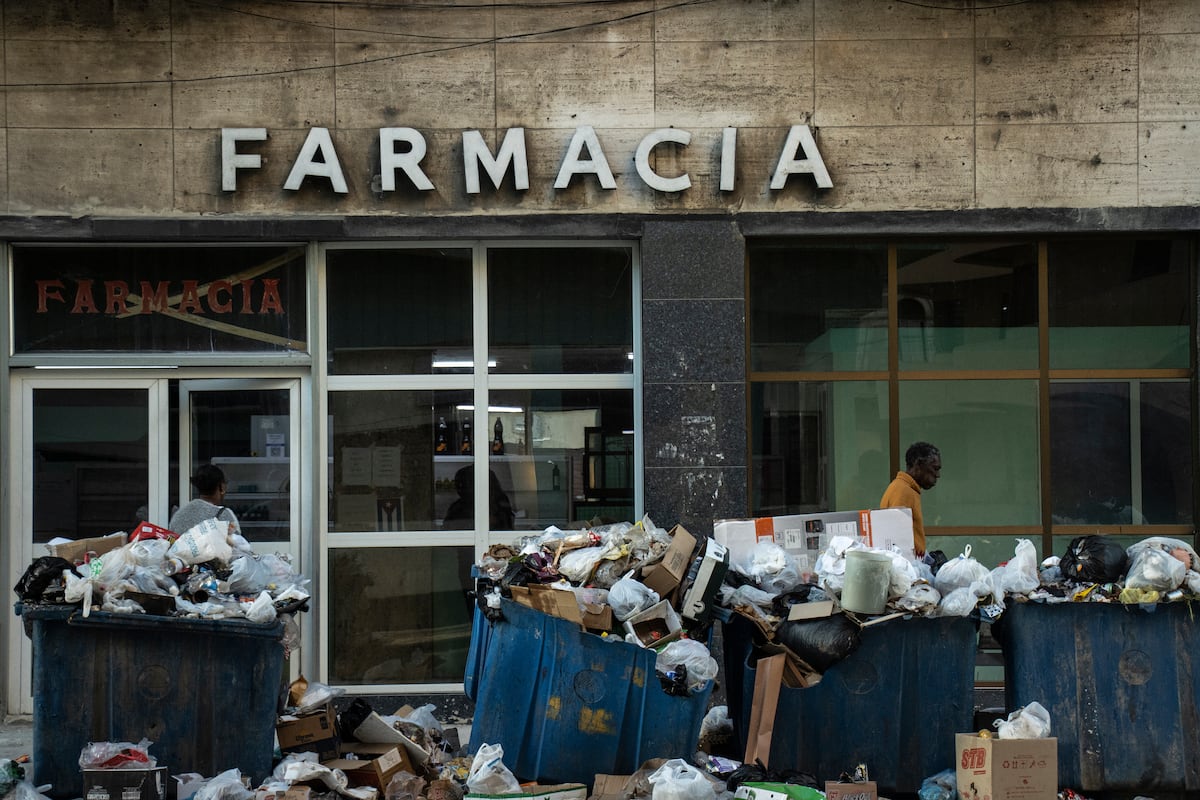 The sinking of Cuba: ‘We are a sacrificial altar’
english.elpais.com
The sinking of Cuba: ‘We are a sacrificial altar’
english.elpais.com
A Russian-flagged fuel tanker bound for Cuba has turned into a floating audit of how “sanctions” actually work: not as a single government lever, but as a stack of private chokepoints—insurance, classification, port access, payment rails, and the quiet threat that any counterparty can be designated next.
According to Bloomberg, the voyage is being watched as a practical test of Washington’s renewed pressure campaign under President Donald Trump, framed by Havana as an “informal naval blockade” of the island’s oil supply. The ship itself is only the visible part. The harder question is whether it can be insured, financed, and discharged without a commercial actor—an insurer, a port operator, a bunker broker, a bank—deciding the risk-adjusted return is negative.
Fortune, citing Cuban officials, says the tightening squeeze on energy imports is no longer just macroeconomic pain but a threat to “basic human safety.” That language is not rhetorical flourish on an island where electricity is the operating system for everything from water pumping to hospital sterilization.
El País paints the downstream reality in Havana’s clinics and hospitals: patients told to bring their own syringes and medicines; labs without reagents; power outages that turn routine care into improvisation. Doctors emigrate, leaving worse ratios and less experience behind. The story is not that Cuba has shortages—Cuba is a shortage—but that the state’s monopoly on distribution turns scarcity into control. When fuel is rare, the ration card becomes a political instrument and the black market becomes the only price-discovery mechanism left.
That is what sanctions advocates rarely put on the poster: collective punishment is a subsidy for the regime’s internal cartel. The embargo doesn’t “starve the state”; it starves the market. It makes every imported barrel more valuable to whoever controls the docks, the storage tanks, the trucking permits, and the police.
The tanker’s route also highlights a second point. A blockade in 2026 is not just ships and missiles; it’s compliance departments and risk committees. The U.S. Treasury doesn’t have to stop a vessel at sea if it can persuade everyone else to stop touching it. The decisive actors are often private: P&I clubs, flag registries, insurers, and banks that can make a cargo commercially non-viable without firing a shot.
Cuba’s leadership will predictably blame Washington for every empty pharmacy shelf. Washington will predictably claim the misery is proof the system is failing. Both can be true while missing the point: the system that thrives under sanctions is the one with coercive control over distribution. If the island is becoming, as one Cuban quoted by El País says, a “sacrificial altar,” the state is still the high priest collecting the offerings.