
Nor’easter triggers NYC first blizzard warning in nine years
1–2 feet snow and outage risk across Northeast, Storm exposes brittle utilities before resilience spending theatre
Images
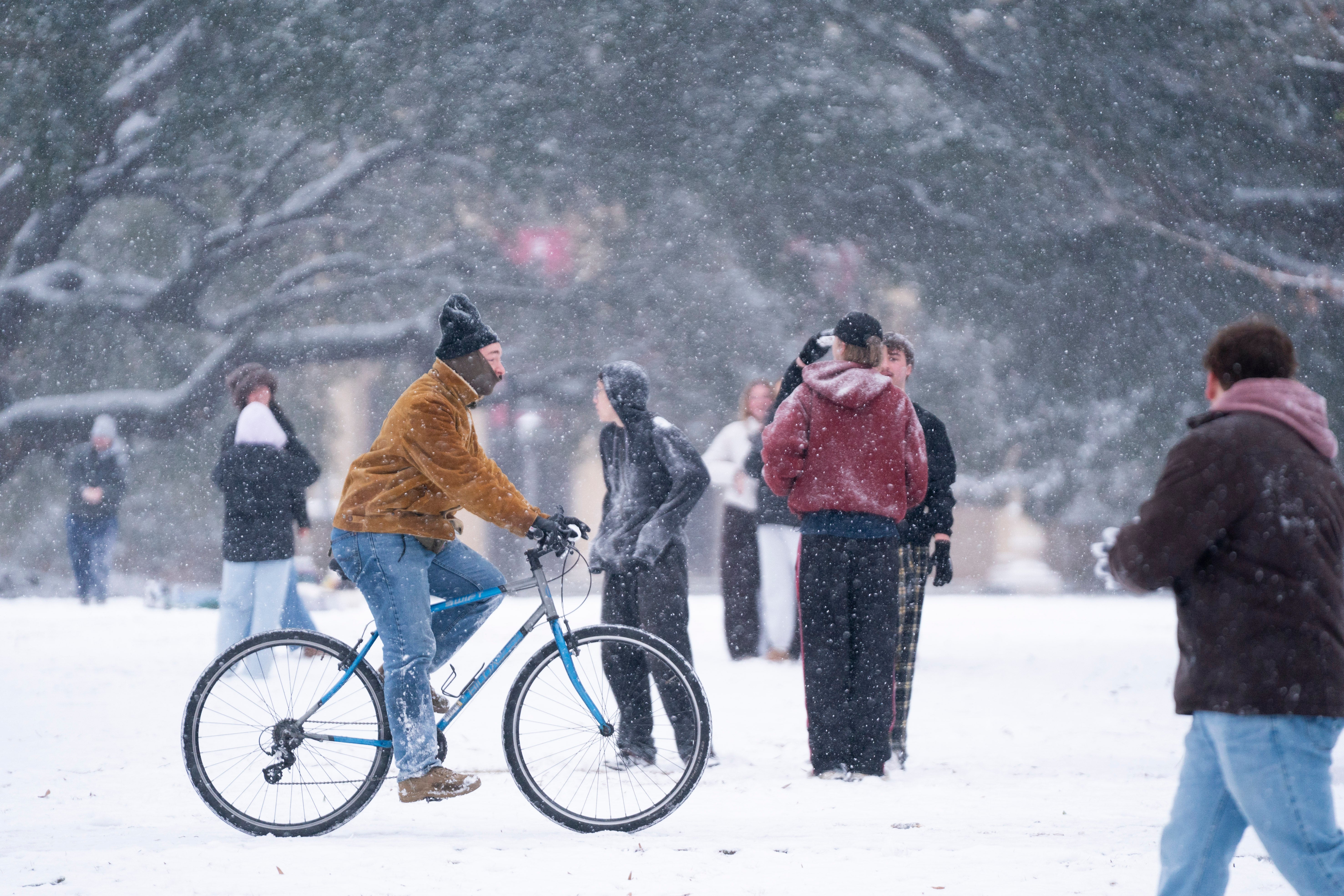 The heaviest snowfall is forecast for Sunday night (Getty Images)
Getty Images
The heaviest snowfall is forecast for Sunday night (Getty Images)
Getty Images
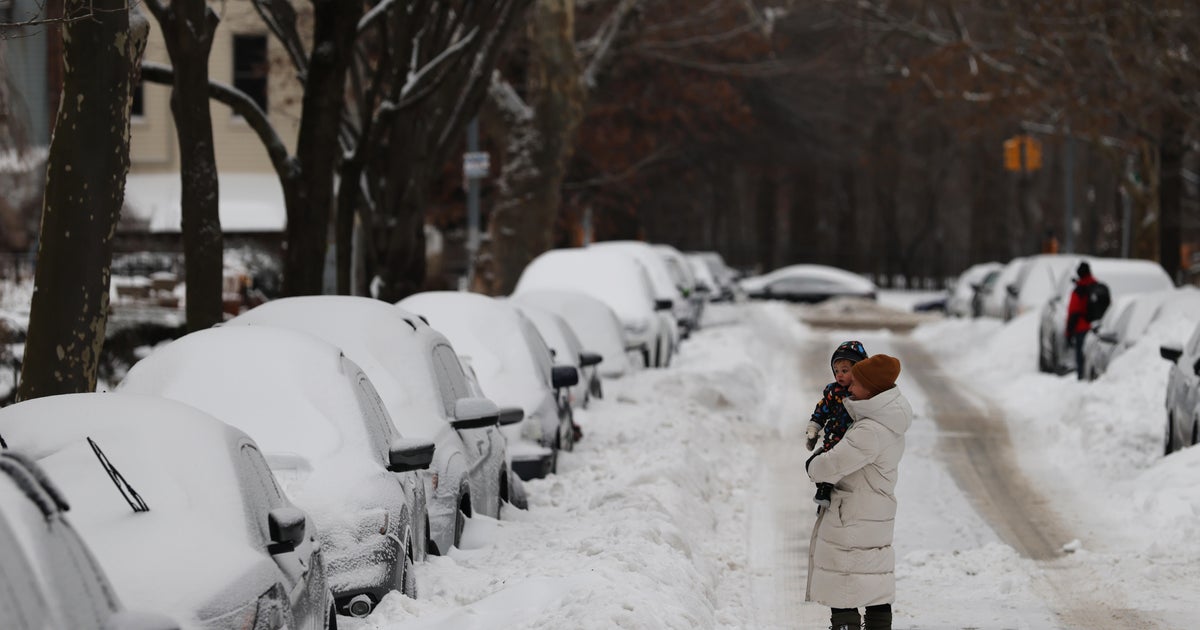 Storms threaten to pummel East Coast as blizzard warnings issued in New York, New Jersey and Connecticut
cbsnews.com
Storms threaten to pummel East Coast as blizzard warnings issued in New York, New Jersey and Connecticut
cbsnews.com
A late-winter nor’easter is set to hit the U.S. East Coast Sunday into Monday, triggering blizzard warnings for New York City and parts of New Jersey, Long Island, southern Connecticut, and coastal Delaware—New York City’s first blizzard warning in nine years, according to The Independent.
Forecasts now call for one to two feet of snow in many areas, with snowfall rates potentially reaching about two inches per hour Sunday night before tapering Monday afternoon. The National Weather Service warned that sustained winds of roughly 25–35 mph could make travel “dangerous, if not impossible,” while heavy snow and wind may bring scattered power outages and downed tree limbs.
CBS News similarly reports significant snow risk for the Philadelphia region as the storm consolidates, with broader East Coast impacts expected across the I-95 corridor. Flooding is also possible in parts of New York and New Jersey, and “winter storm” planning increasingly means preparing for multiple failure modes at once: snow load, wind, coastal surge, and rapid temperature swings.
New York City Mayor Zohran Mamdani urged residents to stay off the roads unless necessary, warning that the Monday commute could be “extremely dangerous,” The Independent notes. That advice is sensible—and also a preview of the post-storm ritual.
After storms like this, infrastructure strains, agencies issue warnings, transit and power systems falter at the margins, and then the political class announces a new round of “resilience” spending. The public gets more centralized planning theater—task forces, procurement sprees, and glossy after-action reports—while the actual weak links often remain boring and unchanged.
What fails in these storms is rarely mysterious: local distribution power lines, tree management, rail switches, road clearance logistics, and the fragile coupling between transit schedules and staffing. What gets funded afterward is frequently more visible: communications campaigns, new coordination offices, and technology purchases that photograph well.
A nor’easter does not need to be unprecedented to be disruptive. It only has to collide with systems already tuned for normalcy and bureaucracies optimized for process. When that happens, the state’s instinct is to treat nature as a justification for expanding authority rather than fixing incentives—because it is easier to blame the weather than to admit that monopolized services can be simultaneously expensive, under-maintained, and politically untouchable.
For residents: keep supplies, expect delays, and assume that the most reliable backup plan is the one you control yourself.