
Trump convenes Gaza Board of Peace with planned international force and $7bn fund
Plan deploys 20,000 troops and trains 12,000 police while excluding Palestinians, Protectorate-by-committee marketed as reconstruction
Images
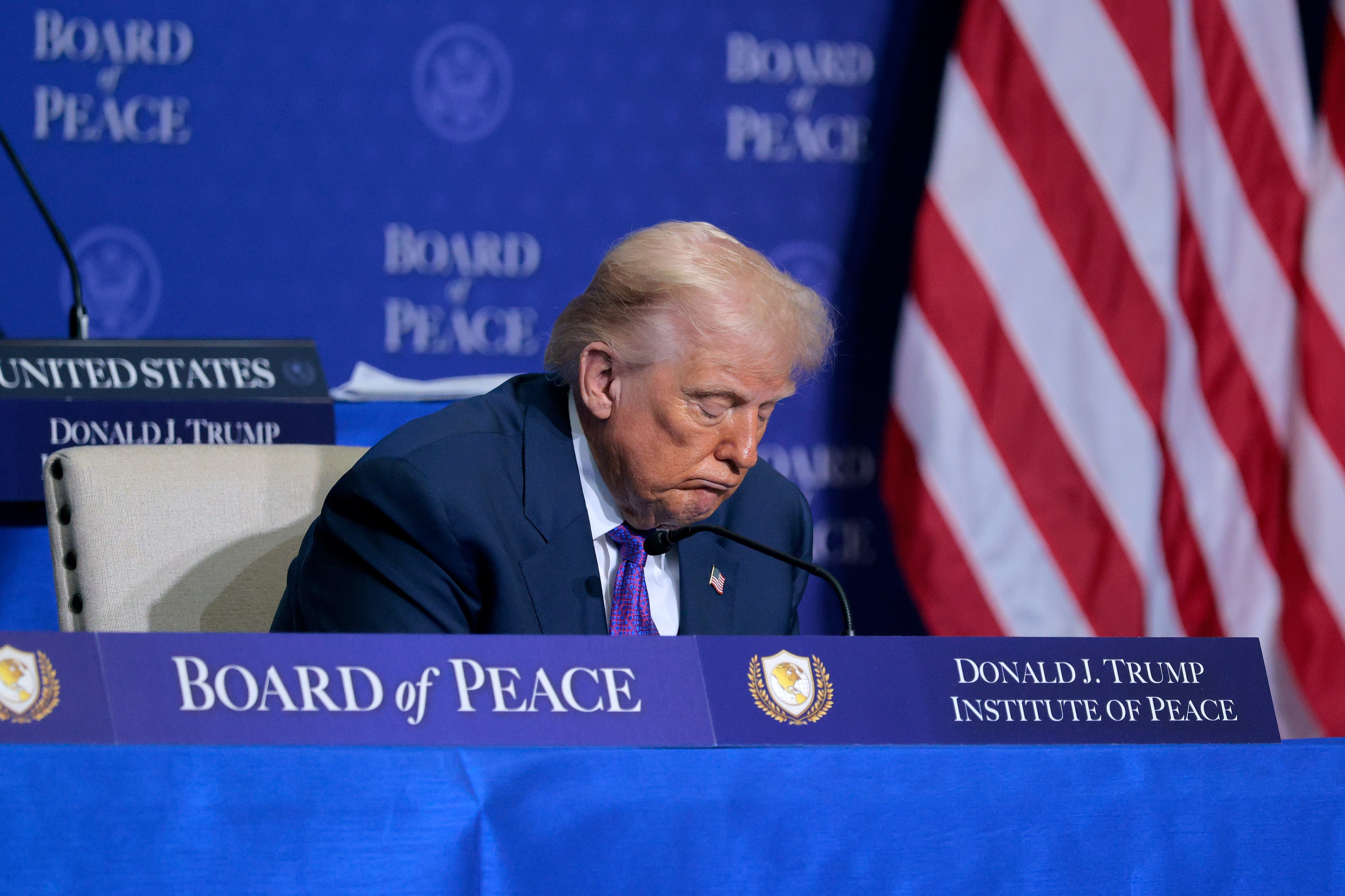 Donald Trump unveiled more details of his Gaza plan (Getty)
Getty
Donald Trump unveiled more details of his Gaza plan (Getty)
Getty
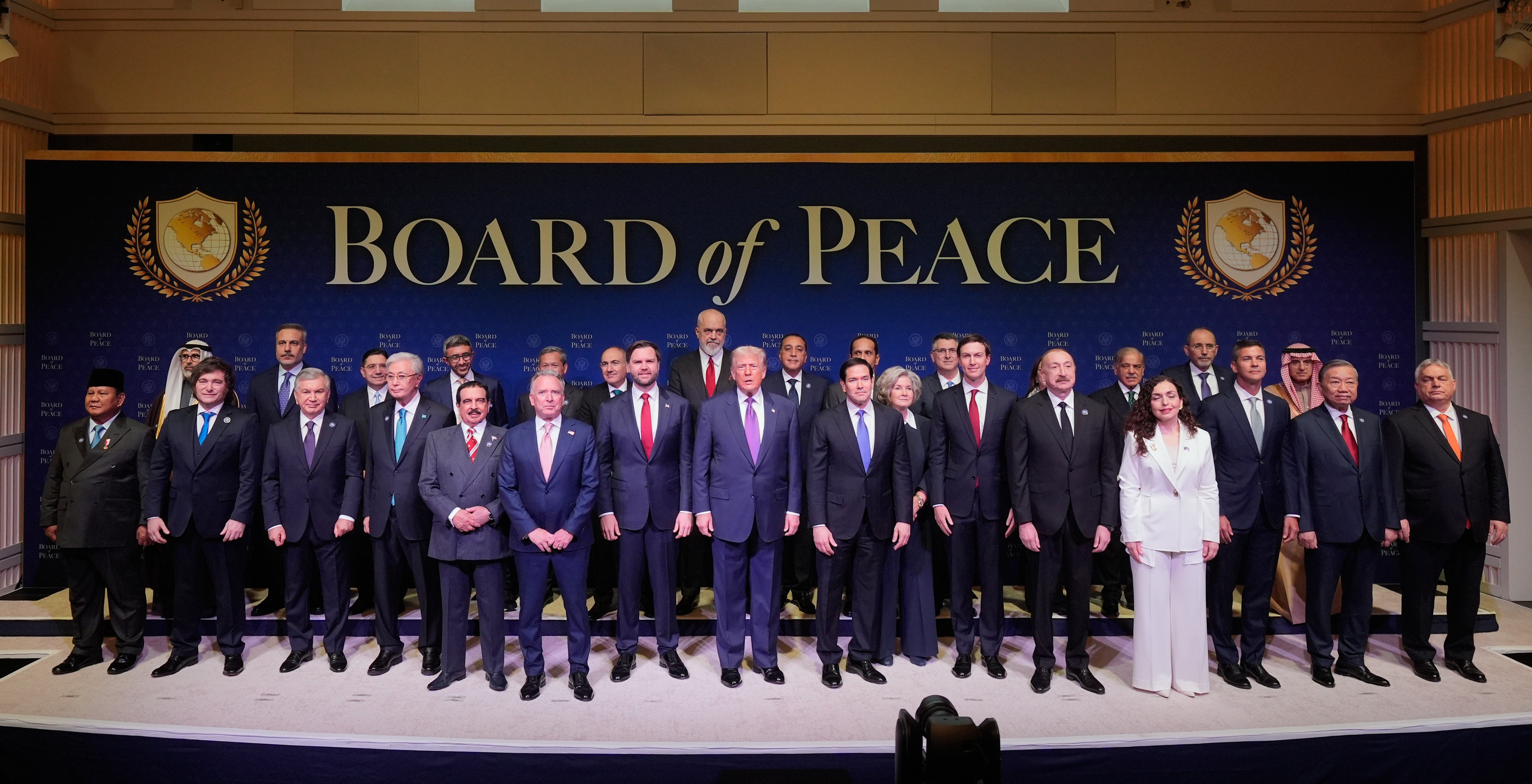 Several Western countries have not joined the ‘board of peace’ (AP)
independent.co.uk
Several Western countries have not joined the ‘board of peace’ (AP)
independent.co.uk
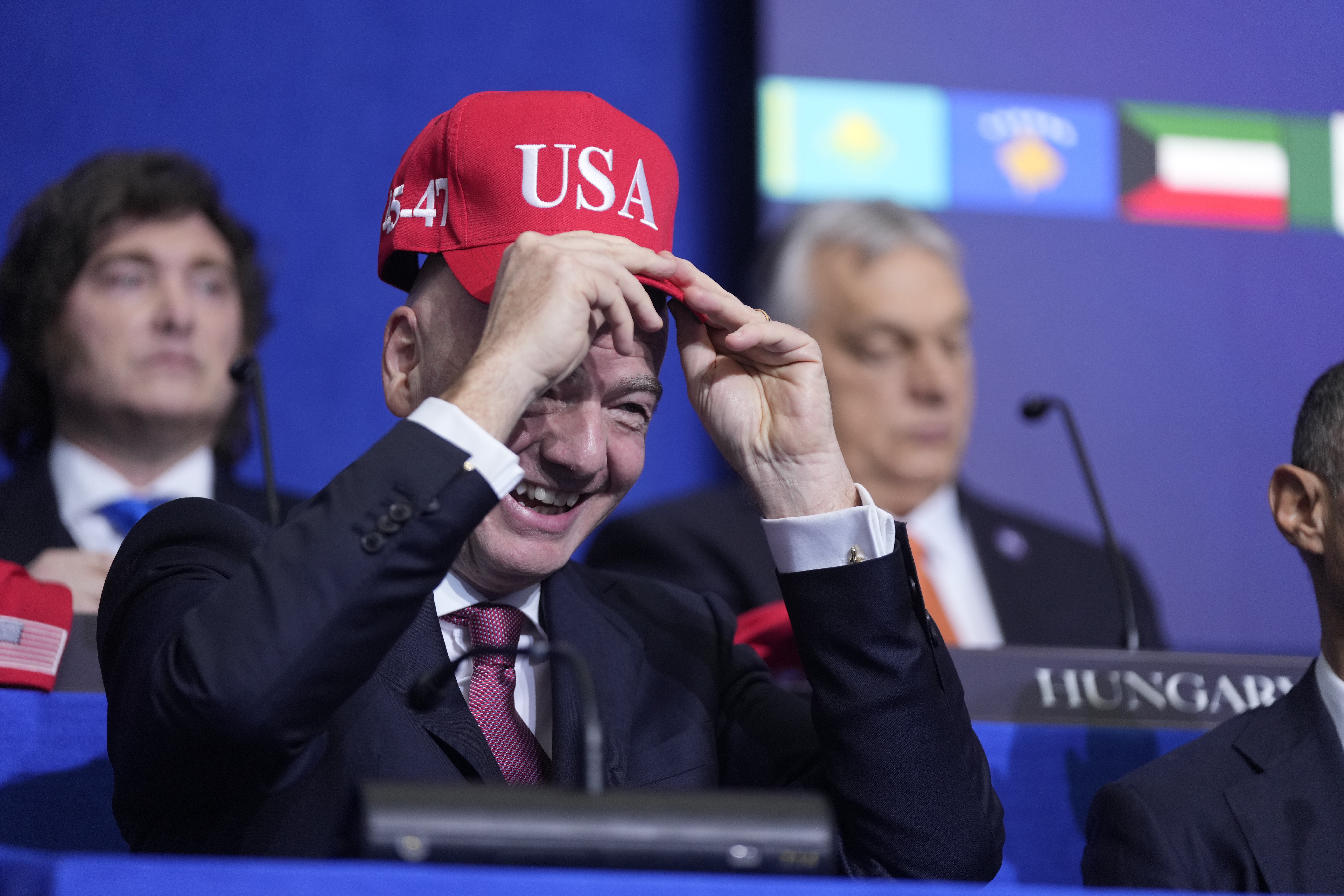 Fifa president Gianni Infantino was present at the unveiling of the ‘board of peace’ (AP)
independent.co.uk
Fifa president Gianni Infantino was present at the unveiling of the ‘board of peace’ (AP)
independent.co.uk
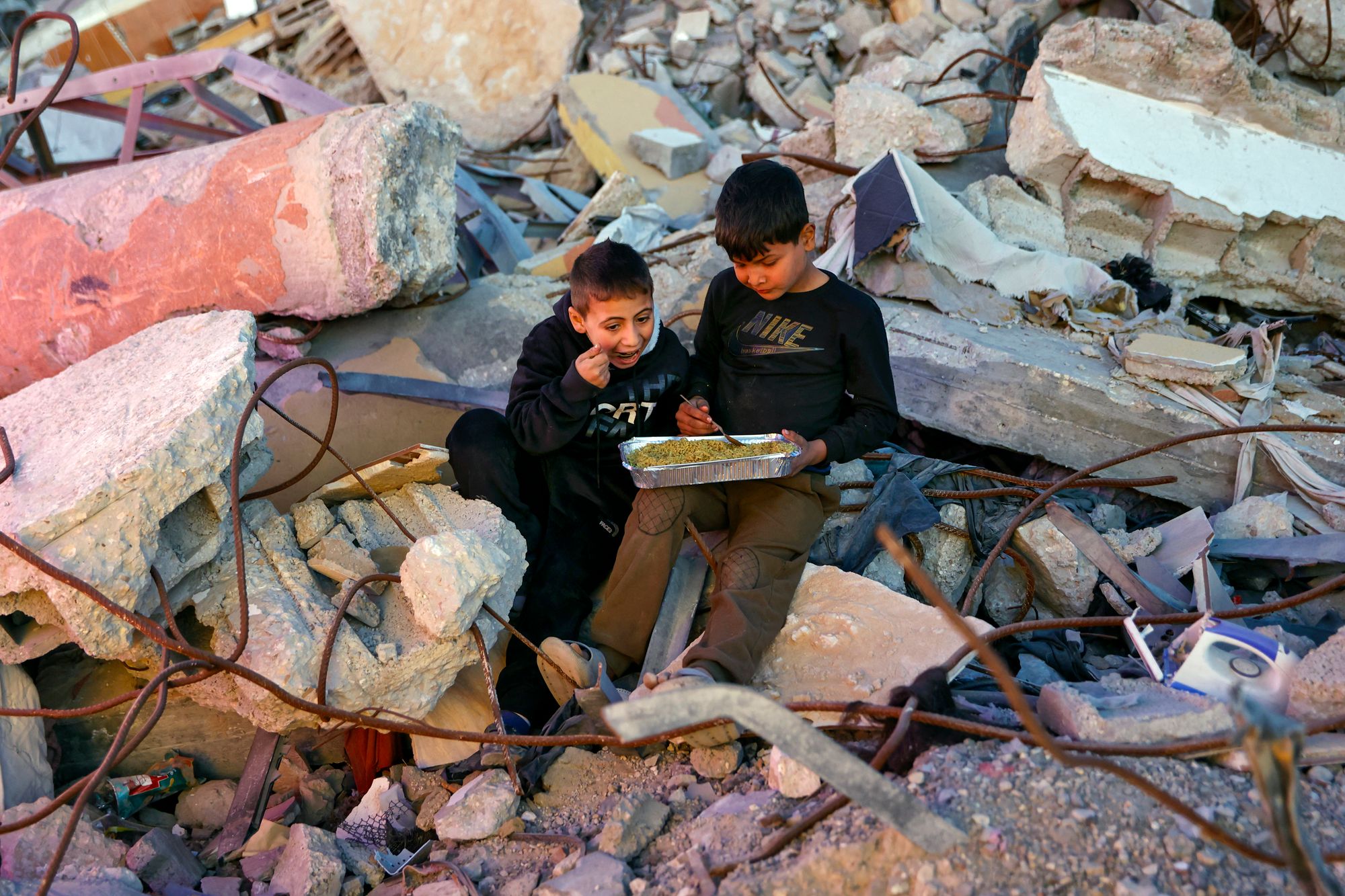 Much of Gaza lies in ruins after Israel’s bombing campaign (AFP/Getty)
AFP/Getty
Much of Gaza lies in ruins after Israel’s bombing campaign (AFP/Getty)
AFP/Getty
 Women’s Olympic freeski halfpipe final delayed because of heavy snow in the Italian Alps
wtop.com
Women’s Olympic freeski halfpipe final delayed because of heavy snow in the Italian Alps
wtop.com
President Donald Trump has convened the first meeting of a new “board of peace” for Gaza, outlining a reconstruction and security plan built around an international stabilization force and a multi-country relief fund—an arrangement that critics see as an attempt to route around the United Nations while placing Gaza under a de facto trusteeship.
According to the Independent, Trump’s plan centers on a $7 billion reconstruction fund financed by a mix of participating states. The meeting in Washington drew delegations from roughly 50 countries, including several US allies that are not members of the board.
The most concrete element is security governance. Trump’s proposal calls for an International Stabilisation Force operating in Gaza, led by a US general with an Indonesian deputy. The force is meant to train a new police service in Israeli-controlled areas, beginning in Rafah, and to build toward 12,000 trained police officers and a deployment of 20,000 troops, the Independent reports. Indonesia has pledged 8,000 personnel, with Morocco, Kazakhstan, Kosovo and Albania also committing troops. Egypt and Jordan would help train the police.
If this sounds like a state-building project, that is because it is. Major General Jasper Jeffers, who is said to be leading the effort, described the force as providing “the security that Gaza needs for a future of prosperity and enduring peace,” per the Independent. The board’s membership includes Israel and a roster of Middle Eastern states—Saudi Arabia, Egypt, Qatar, Bahrain, Jordan, Kuwait, Turkey and the UAE—plus a grab-bag of governments from outside the region. Notably absent: any Palestinian representation.
The plan is also tied to Hamas disarmament. Trump claimed Hamas has agreed to disarm, while Israeli Prime Minister Benjamin Netanyahu warned Hamas would soon face a choice “to disarm peacefully or be disarmed forcefully,” according to the Independent. In practice, disarmament is the hinge on which the entire governance architecture swings: either the militia voluntarily yields power, or an externally managed security apparatus escalates until it does.
The money, meanwhile, is both large and—by the scale of Gaza’s destruction—small. The Independent lists contributions from Kazakhstan, Azerbaijan, the UAE, Morocco, Bahrain, Qatar, Saudi Arabia, Uzbekistan and Kuwait. Trump also said the US would contribute $10 billion, without specifying the source. Additional pledges include $75 million from FIFA for football-related projects and $2 billion from the UN for humanitarian aid. Yet the Independent notes estimates of roughly $70 billion to fully rebuild Gaza after extensive Israeli bombardment.
WTOP adds a side note that reads like a parody of modern “neutrality”: FIFA president Gianni Infantino’s participation in Trump’s peace board will not trigger action by the International Olympic Committee under its political neutrality rules.
From a libertarian vantage point, the board’s design is familiar: concentrate decision-making in an international committee, attach a large fund, add troops, and call it “peace.” Ownership and accountability—who governs, who pays, who bears liability for failure—are replaced by meetings, mandates, and the comforting fiction that committees can substitute for local self-determination. Gaza, it seems, is being offered a future administered by people who do not live there, financed by people who will not be taxed directly for it, and enforced by people who can rotate out when the experiment turns sour.