
Kennedy Center outdoor ice rink vandalized with toxic chemical
Park Police investigate, security state expands perimeter as culture becomes trophy
Images
.png) The U.S. Park Police is investigating a Friday incident in which a black substance was spread across the outdoor ice rink at the Kennedy Center, halting a planned performance (Kennedy Center)
Kennedy Center
The U.S. Park Police is investigating a Friday incident in which a black substance was spread across the outdoor ice rink at the Kennedy Center, halting a planned performance (Kennedy Center)
Kennedy Center
 Friday’s incident at the ice rink follows a bomb threat called into the Kennedy center Thursday (AFP via Getty Images)
AFP via Getty Images
Friday’s incident at the ice rink follows a bomb threat called into the Kennedy center Thursday (AFP via Getty Images)
AFP via Getty Images
 The Kennedy Center has faced artist cancellations and reported struggles selling tickets since Trump took over (Copyright 2026 The Associated Press. All rights reserved.)
independent.co.uk
The Kennedy Center has faced artist cancellations and reported struggles selling tickets since Trump took over (Copyright 2026 The Associated Press. All rights reserved.)
independent.co.uk
A performance at the Kennedy Center’s temporary outdoor ice rink was cancelled after what the venue described as a “targeted attack” involving a “toxic chemical” spread across the ice, The Independent reports. A photo released by the center shows a dark substance smeared over the rink near a gallon-sized container. The U.S. Park Police opened an investigation, and the venue said it handed video to federal authorities.
The most revealing part of the story is not the black gunk but the reflexive narrative packaging that follows it. Kennedy Center leadership—now closely identified with President Donald Trump’s takeover of the institution—immediately framed the incident as political, with board chair Richard Grenell alleging, without evidence, that Democrats had created a climate of harassment that led “mentally unstable people” to vandalize the site.
That claim sits alongside another recent incident at the same location: an “unfounded bomb threat” the day before, which prompted an evacuation as the touring troupe Shen Yun was due to perform, according to The Independent. A high-profile, state-adjacent cultural monument in Washington has become what security planners call a soft target—symbolically valuable, physically accessible, and guaranteed to produce headlines.
The predictable policy response is equally formulaic: more perimeter, more cameras, more checkpoints, more “coordination” between agencies. If you’ve ever watched a bureaucracy metabolize a threat, you know the end product is not safety but process—security theater with a procurement trail.
Centralized prestige venues are inherently fragile. They concentrate crowds, attention, and political meaning in one place. That makes them efficient targets for vandals, hoaxers, and anyone who wants to impose costs cheaply. Decentralized cultural life—private venues, distributed events, pop-up shows that can move or cancel without a congressional hearing—tends to be more resilient precisely because it is less legible and less symbolically loaded.
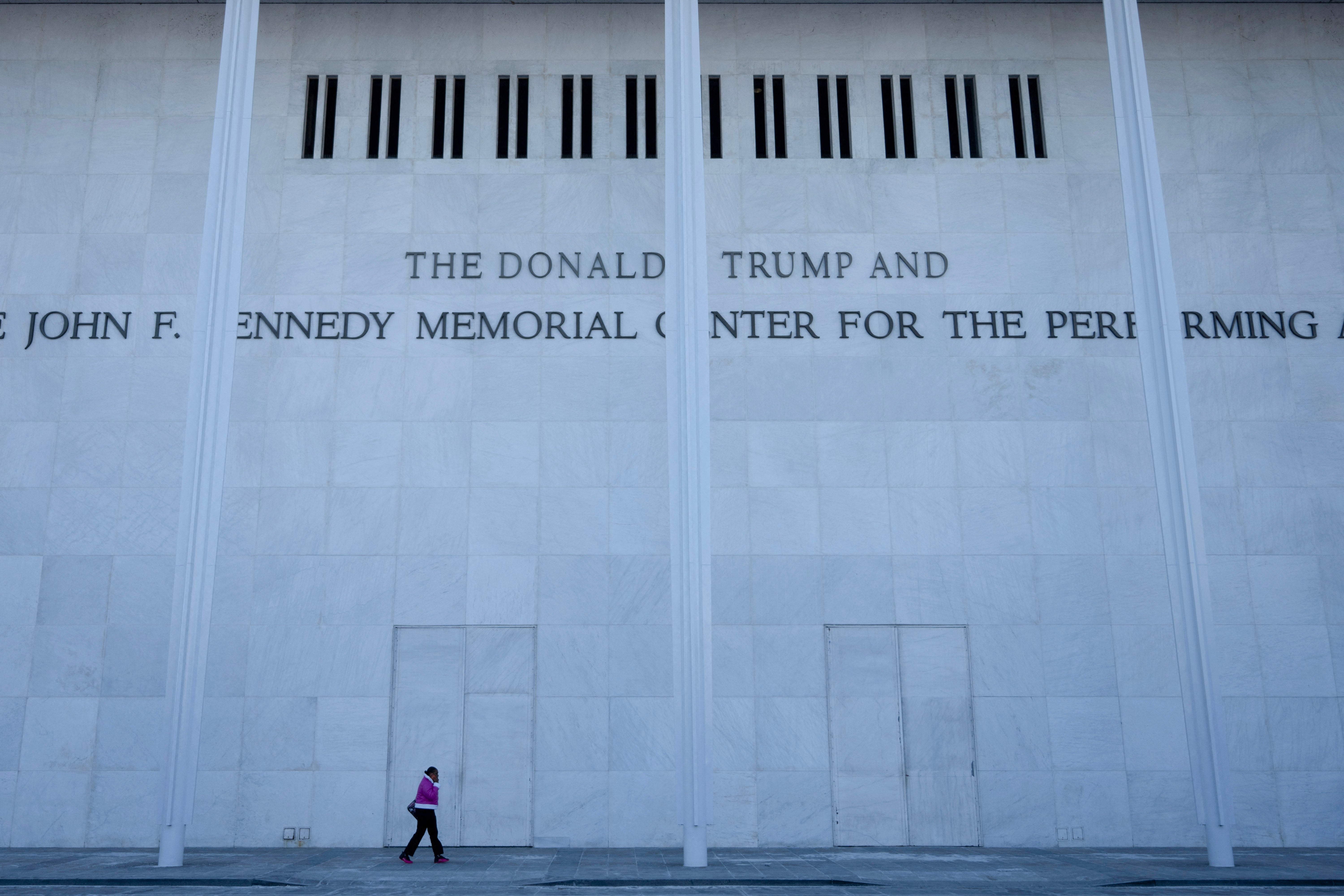
The Kennedy Center’s recent turbulence adds gasoline to that dynamic. The Independent notes that the Trump-installed board voted in December to rename the center after Trump, a move challenged by Democratic lawmakers and criticized by members of the Kennedy family. High-profile performers have cancelled appearances. The White House says the complex needs “hundreds of millions” in deferred maintenance, and Trump has floated closing it for a two-year renovation.
So the building becomes a battlefield, the programming becomes a loyalty test, and “security” becomes the all-purpose justification for expanding control. None of this requires a conspiracy—only the standard incentives of politics: turn cultural institutions into trophies, then act surprised when trophies attract people who want to throw rocks at the display case.