
Spanish police arrest three men over alleged opium poppy shipments to US
CBS reports mail parcels used for botanical gray-market supply chain, Prohibition turns plants into paperwork crimes
Images
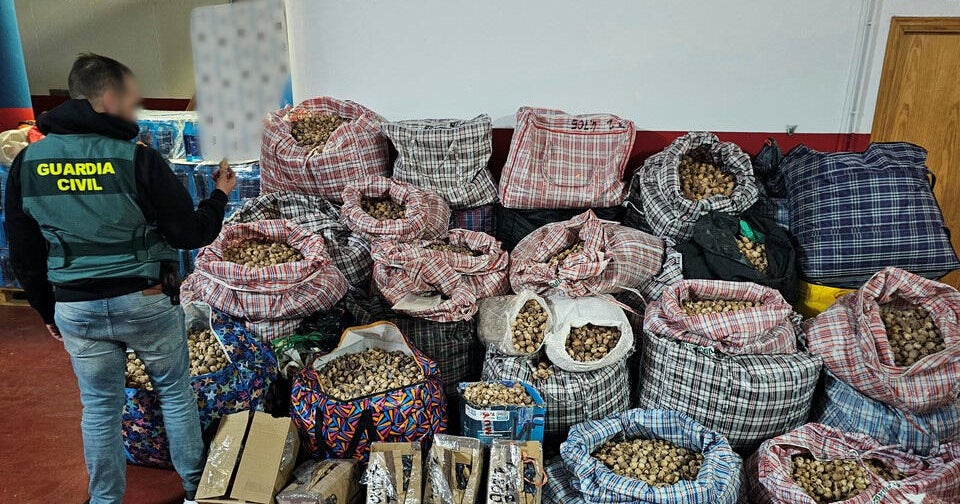 Police arrest 3 men suspected of shipping opium poppy by mail in Spain and to U.S.
cbsnews.com
Police arrest 3 men suspected of shipping opium poppy by mail in Spain and to U.S.
cbsnews.com
Spanish police have arrested three men suspected of mailing opium poppy to the United States, a case that reads like e-commerce globalization colliding with the oldest controlled substance supply chain on earth.
According to CBS News, the suspects were detained in Spain on allegations they shipped opium poppy through the mail to buyers in the US. The story sits in an awkward gray zone: poppy material can be sold and shipped as “botanical” goods, but the same plant is also the feedstock for opiates. The difference is less botanical than legal—and, increasingly, logistical.
CBS reports the arrests as an operation against a cross-border scheme moving plant material via parcel networks. That detail is the point. Modern drug enforcement often imagines cartel pipelines and clandestine labs; this case instead suggests a low-friction, small-package supply chain: internet listings, discreet boxes, and plausible deniability wrapped in horticultural language.
For regulators, the temptation is always the same: when a product can be used for something prohibited, treat the product itself as suspicious. That logic scales badly. Seeds, plants, and extracts are traded globally for legitimate gardening, research, and culinary uses. Yet the more authorities lean on broad prohibitions, the more they push commerce into informal channels where quality control disappears and enforcement becomes arbitrary.
The case also highlights how “controlled substances” policy increasingly targets intermediaries rather than outcomes. Mailing plant material is easy to detect and prosecute; proving intent to produce narcotics is harder. So enforcement drifts toward what is administratively convenient: seize the packages, arrest the shippers, and let a court infer the rest.
From a civil-liberties standpoint, this is the predictable result of prohibition economics. When demand exists, supply routes diversify. If a kilogram shipment is risky, try hundreds of small shipments. If a border is monitored, use the postal system. The state plays whack-a-mole; entrepreneurs—licit and illicit—optimize.
CBS News did not report the full scope of shipments or potential charges beyond the arrests, but the point is already clear: in a global marketplace, even a flower can become contraband when laws try to ban chemistry instead of behavior.