
Pecorino Romano production shifts away from Rome as US demand grows
Business Insider reports Lazio holdouts survive via export-driven process discipline, Tradition sells best when it scales like industry
Images
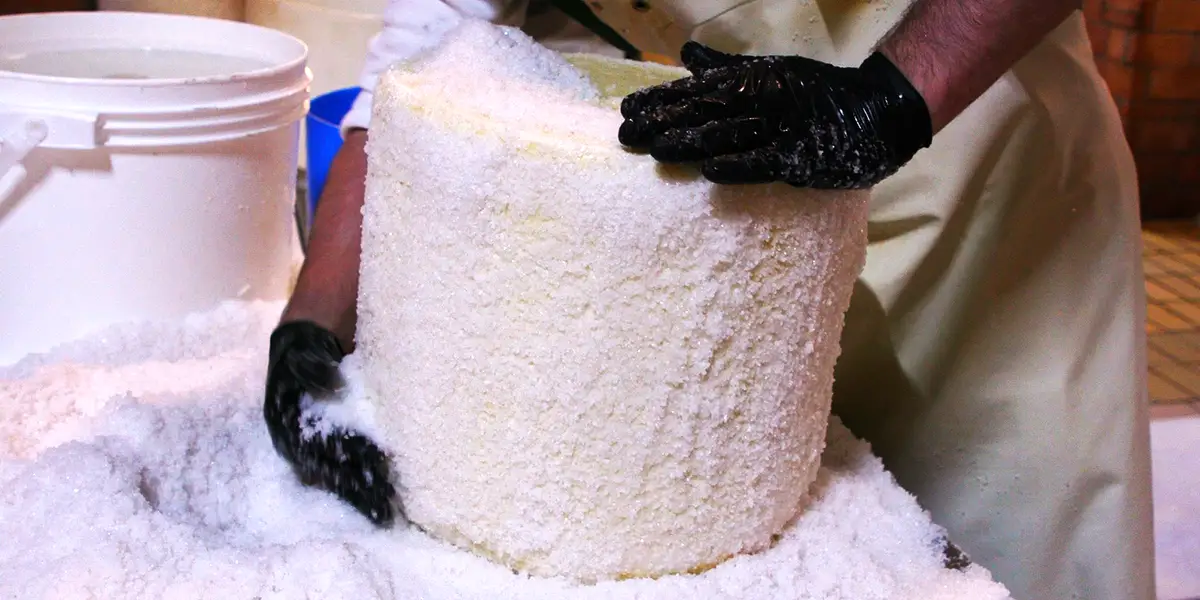 How real Pecorino Romano cheese Is made In Lazio, Italy
dnyuz.com
How real Pecorino Romano cheese Is made In Lazio, Italy
dnyuz.com
Pecorino Romano is marketed as a relic of Ancient Rome: hard sheep’s-milk cheese, aggressively salty, built for pasta and long storage. The reality is less postcard and more supply chain—one in which “tradition” survives by behaving like an export-grade industrial specification.
Business Insider reports from Lazio, the cheese’s original territory, visiting I Buonatavola—described as one of the few remaining producers still making Pecorino Romano in the region historically associated with Rome. The twist is that most Pecorino Romano sold today is not made near Rome at all. Production has shifted elsewhere, reshaped by global demand—especially from the United States—while the label continues to trade on Roman pedigree.
That tension is the whole story: geographic romance versus scalable manufacturing. Business Insider frames I Buonatavola as a survivor precisely because exports kept it alive, even as the larger market pulled production toward places better suited to volume. “Authenticity” is not a mood; it’s a production constraint that becomes expensive the moment consumers start buying the idea in bulk.
The report walks through how the Lazio producer makes the cheese and contrasts it with versions produced outside the original area. The details matter because Pecorino Romano isn’t protected by vibes; it’s protected by process discipline. Hard cheeses that travel well are, by definition, optimized for logistics: stable moisture content, predictable aging, consistent salting, and uniform wheels that can be grated, packaged, and shipped.
This is also how regional foods beat global competition: not by resisting markets, but by turning local know-how into a repeatable standard. The “oldest cheese in the world” pitch is marketing; the real moat is quality control and a brand that signals reliability to industrial buyers—restaurants, food manufacturers, and supermarket chains that need the same product every week.
There’s a moral here, too. No ministry of culture can keep a cheese alive by issuing certificates. What keeps it alive is voluntary exchange: American pasta eaters, Italian producers, and exporters aligning incentives. If that alignment pulls production away from Rome, that’s not cultural theft—it’s comparative advantage.
And if a tiny producer in Lazio still wants to make “the original” under harsher constraints, the market will happily let them—provided customers are willing to pay for the difference. Tradition, it turns out, is just another line item, and the only durable subsidy is demand.