
US federal judge dismisses Buffalo Wild Wings boneless wings lawsuit
Court treats menu language as consumer shorthand not anatomy, Litigation tries to regulate what the market already votes on
Images
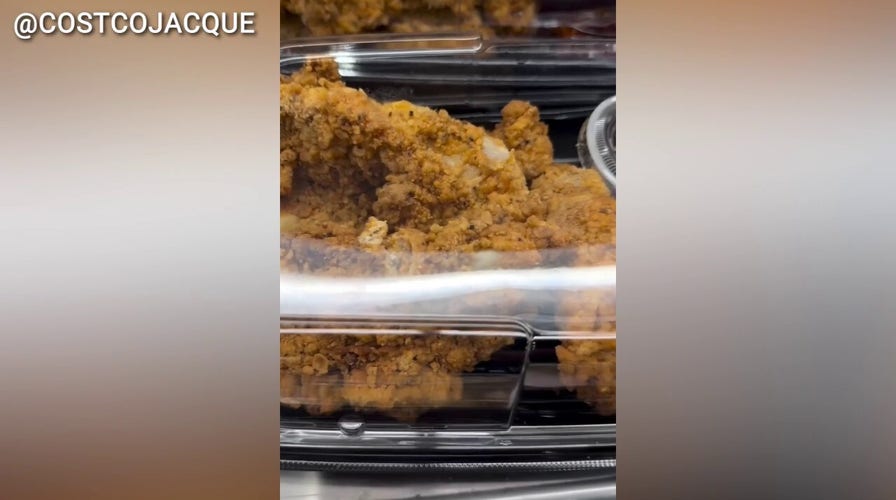 Costco now selling Southern-style chicken and waffles in prepared foods section
foxnews.com
Costco now selling Southern-style chicken and waffles in prepared foods section
foxnews.com
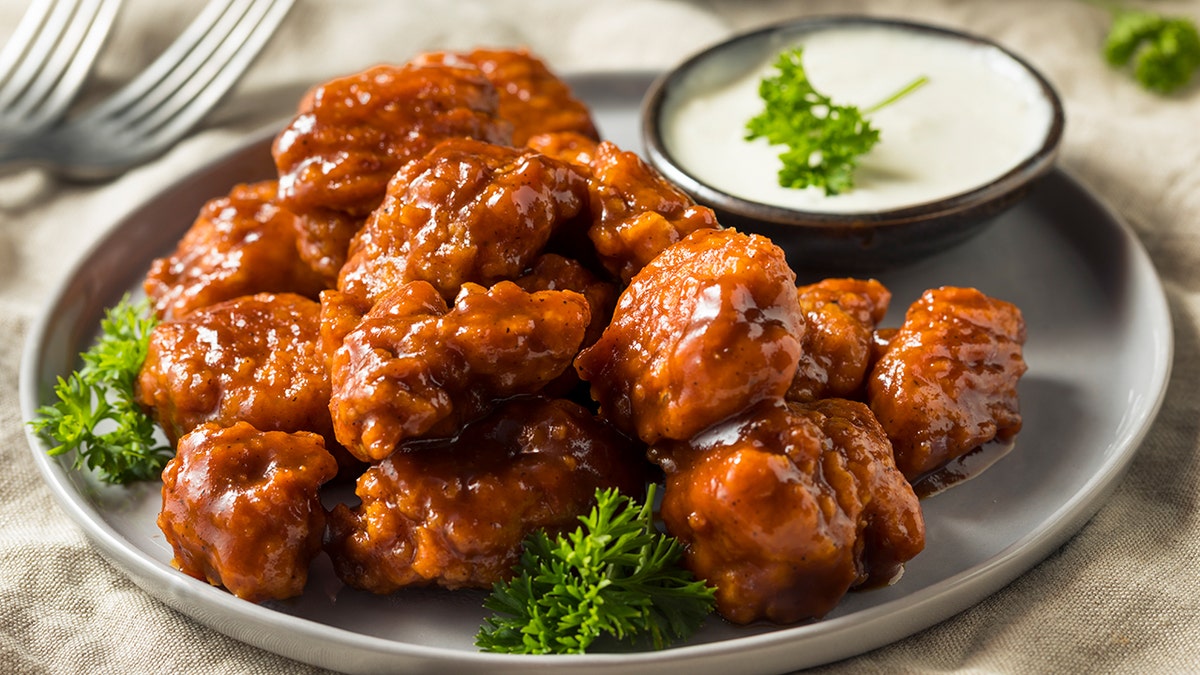 Boneless wings on plate with ranch
foxnews.com
Boneless wings on plate with ranch
foxnews.com
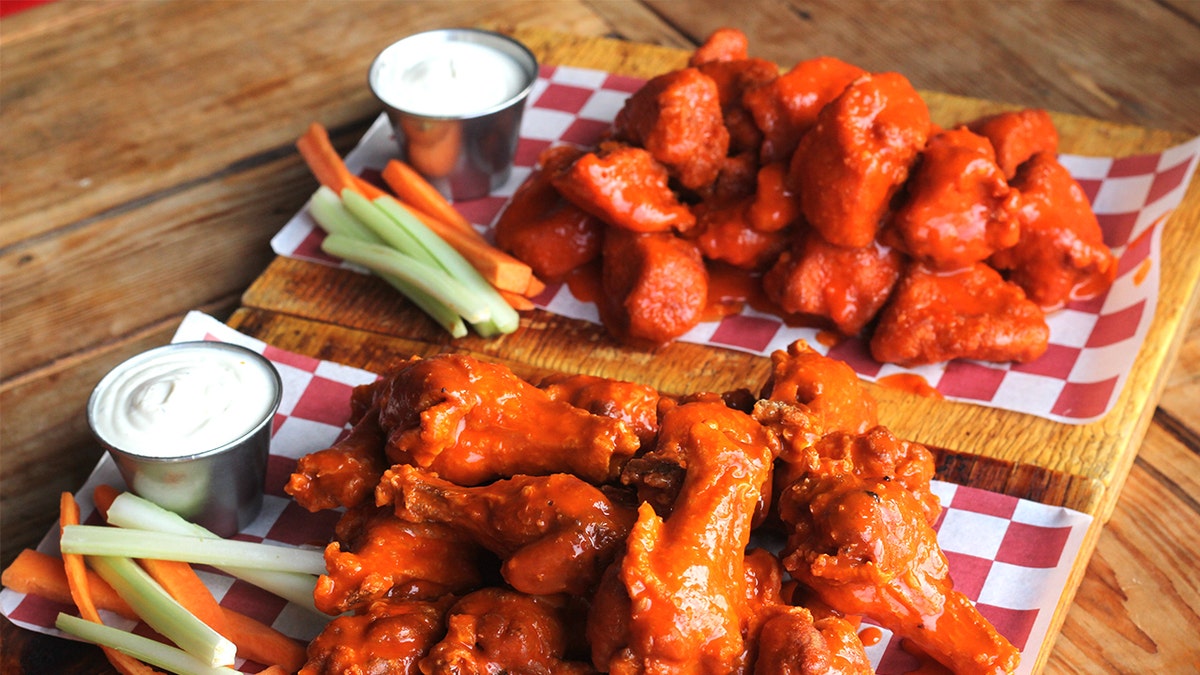 Boneless wings next to chicken wings
foxnews.com
Boneless wings next to chicken wings
foxnews.com
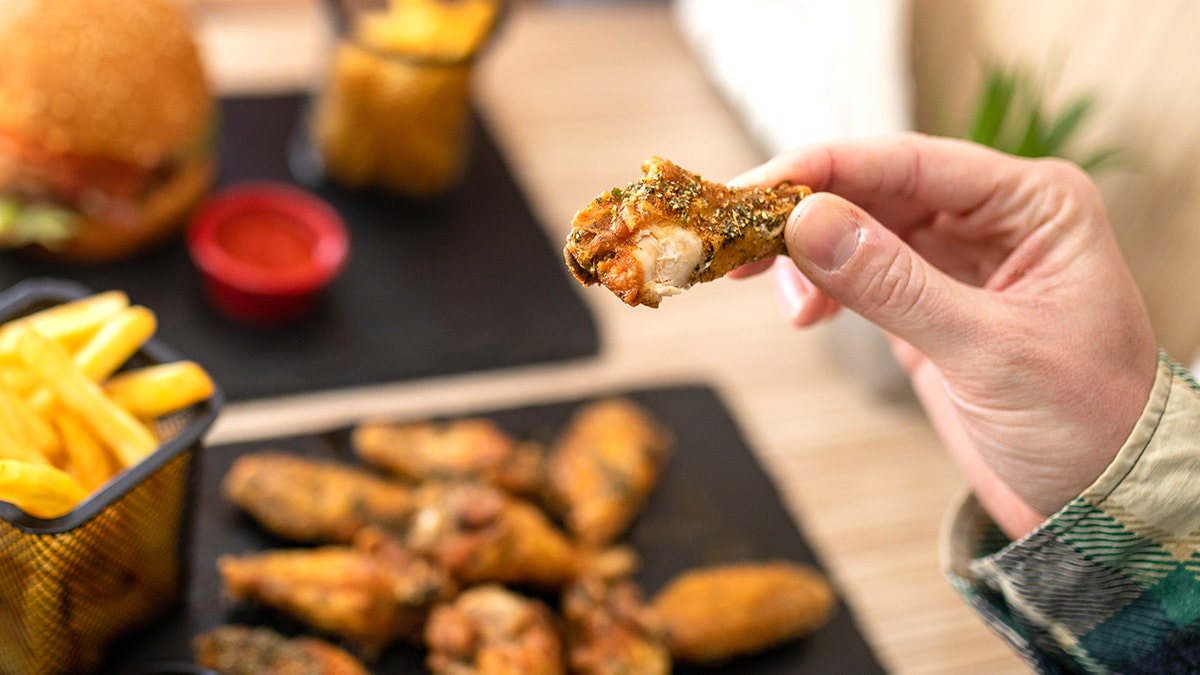 Man holding chicken wing
foxnews.com
Man holding chicken wing
foxnews.com
A US federal judge has dismissed a consumer lawsuit claiming Buffalo Wild Wings misled diners by selling “boneless wings” that were not, in any anatomical sense, wings.
According to Fox News, US District Judge John Tharp Jr. threw out the case on Feb. 17, rejecting the argument by plaintiff Aimen Halim that he expected a deboned chicken wing rather than what he described as something closer to a chicken nugget. The judge’s opinion reportedly leaned on a simple principle: menu language is not a biology textbook.
Tharp compared the “boneless wings” label to other familiar restaurant euphemisms and category names that no reasonable person takes literally. Fox News notes he referenced an Ohio Supreme Court decision involving “chicken fingers,” where the court found diners are not being promised actual fingers. American food culture has developed a dialect in which shape, sauce compatibility, and eating ritual matter more than skeletal provenance.
The case is a small but revealing artifact of modern commerce: when firms standardize products for scale, they also standardize vocabulary—and then, inevitably, someone tries to litigate the dictionary. “Boneless wings” are a convenience product engineered for predictable cooking times, uniform portioning, and frictionless dipping. They are also a marketing solution: “nuggets” are for children; “wings” are for sports bars.
Fox News also canvassed chefs who more or less conceded the point. One, Carlo Filippone of meal-prep brand The Chicken Pound, said that in production terms boneless wings resemble nuggets, yet as a consumer he would interpret “boneless wings” as a wing experience. Another, chef-consultant Darin Leonardson, argued that boneless wings qualify as wings “in today’s food culture,” even framing them as an accessibility adaptation for people who struggle with bone-in food.
This is what a functioning market looks like: consumers can decide whether they want bone-in wings, boneless wings, tenders, nuggets, or cauliflower “wings,” and restaurants compete on clarity, reputation, and refunds—not on court-ordered semantic purity. If a menu item consistently disappoints, the punishment is merciless and immediate: people stop ordering it.
Instead, the legal system was invited to arbitrate a dispute that could have been resolved with a waiter, a receipt, or a different restaurant. The judge declined the invitation. Language, like cuisine, evolves. The state does not need to certify which poultry parts qualify as fun at the bar.