
DHS moves to deport Iran-born woman adopted by US Air Force veteran
Paperwork gap leaves long-time US resident facing removal to hostile regime, citizenship becomes a database field
Images
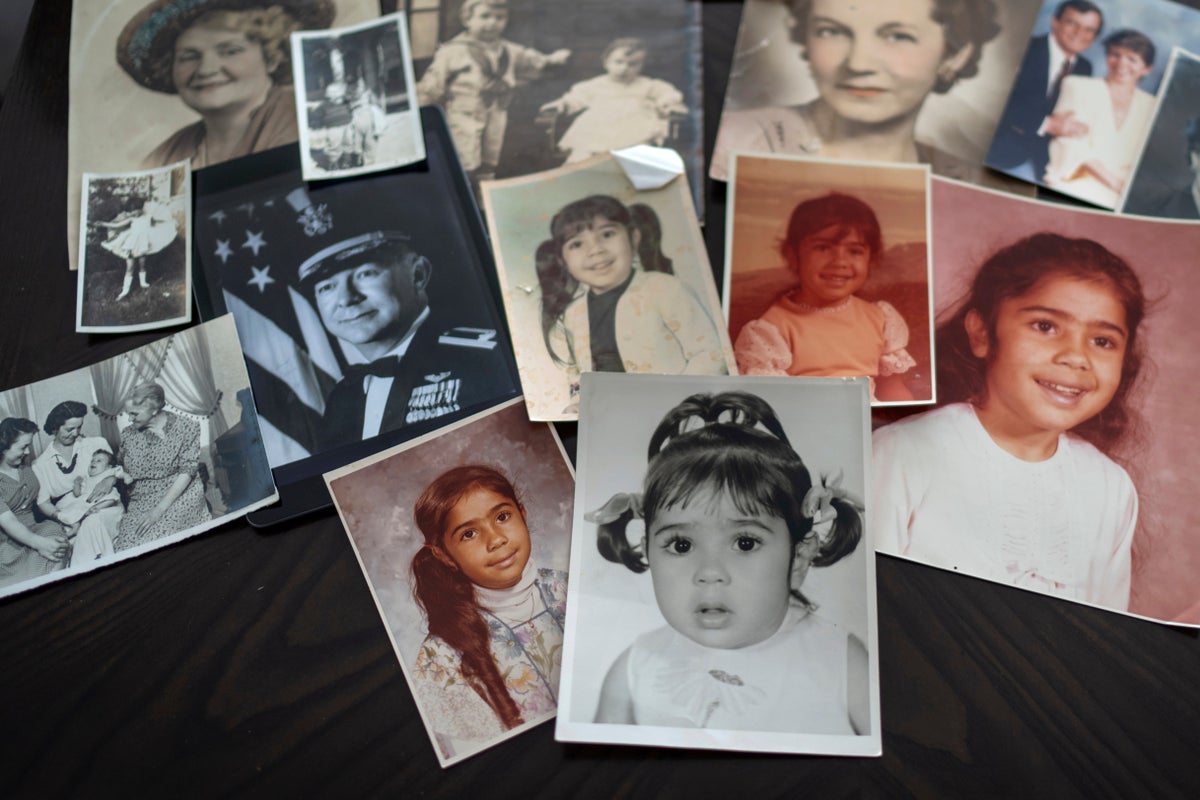 She was an orphan adopted from Iran by a US veteran. The Trump administration wants to deport her
independent.co.uk
She was an orphan adopted from Iran by a US veteran. The Trump administration wants to deport her
independent.co.uk
The Trump administration is seeking to deport a woman adopted from Iran as a toddler by a US Air Force veteran, a case that illustrates how “citizenship” in practice can be reduced to a missing administrative event—then weaponized decades later, according to The Independent, citing reporting by the Associated Press.
The woman—unnamed by AP because of her legal situation—was adopted in 1972 from an Iranian orphanage by an American couple. The adoptive father, a World War II POW who later worked as a US government contractor in Iran, brought her to the United States in 1973. Her adoption was finalized in 1975.
But finalizing an adoption did not automatically confer US citizenship at the time. Parents had to take a separate step to naturalize the child through the federal immigration agency. The woman says she did not learn she lacked citizenship until she applied for a US passport at age 38.
Earlier this month, she received a Department of Homeland Security notice ordering her to appear in removal proceedings before an immigration judge in California. The letter reportedly claims she is removable because she “overstayed” a visa in March 1974—when she was four years old. She has no criminal record and says she has worked in corporate health care, paid taxes, and owns a home in California.
Her attorney, Emily Howe, sought to minimize immediate detention risk. A judge delayed the hearing to a later date and agreed she does not need to appear in person, a concession prompted by fears that immigration officers could arrest her at the courthouse.
The case is particularly stark because deportation would be to Iran, where conversion from Islam and open Christian practice can be dangerous—and where the geopolitical temperature is rising as the US increases military presence in the region. The woman told AP she believes deportation could amount to a death sentence.
DHS, in a statement quoted by The Independent, complained that anonymous reporting makes it hard to verify cases—an oddly self-owning argument from an agency that can verify identities instantly when it wants to. AP said it did not provide her name to DHS but sent details of the notice.
The administration has marketed its deportation drive as targeting the “worst of the worst.” Yet this case, on the government’s own theory, is about a paperwork lapse from the 1970s: a child’s status left in limbo, then treated as a personal violation decades later.
Some have long warned that a “rules-based system” becomes a machine when the rules are designed for administrative convenience, not human reality. Here the state’s claim is not that she harmed anyone, but that a database entry never got created. If citizenship can be retroactively denied because metadata is missing—or because the bureaucracy feels like “enforcing”—then citizenship is less a right than a revocable license administered by officials who face no personal downside for being wrong.