
IKEA opens 10 new US stores in 2026
Flat-pack retail bets on warehouses as e-commerce logistics get pricier
Images
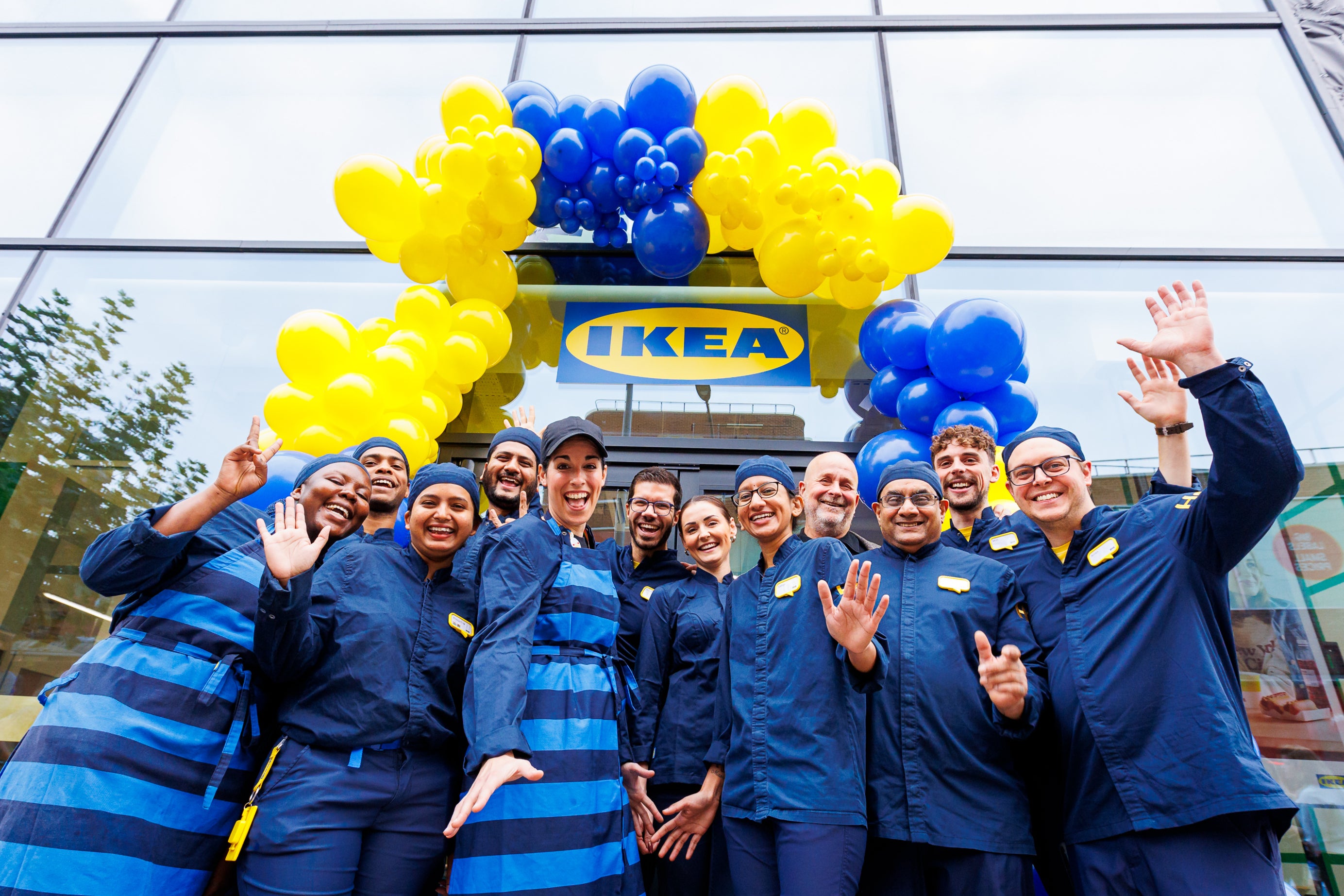 IKEA is planning a significant expansion of its US stores in 2026 (Supplied)
Supplied
IKEA is planning a significant expansion of its US stores in 2026 (Supplied)
Supplied
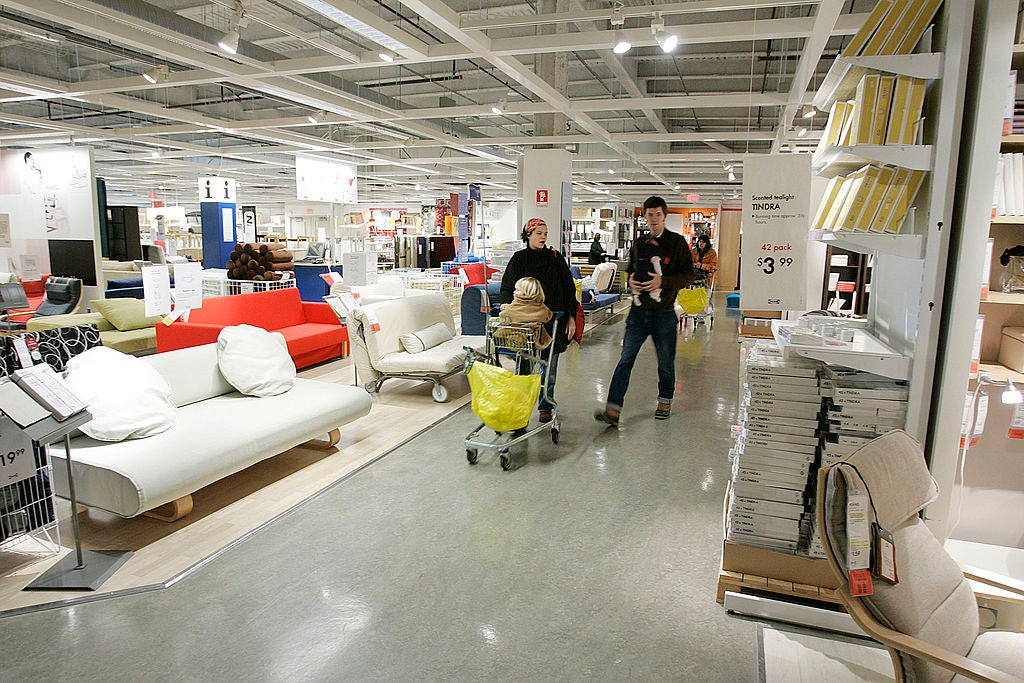 IKEA will add three new stores in Texas and a pair of stores in California (Getty Images)
Getty Images
IKEA will add three new stores in Texas and a pair of stores in California (Getty Images)
Getty Images
IKEA is expanding its US footprint again, announcing 10 new stores planned for 2026 across Chicago, Culver City, Dallas (two sites), Fort Collins, Houston, Huntsville, Phoenix, Tulsa and Washington, DC, while closing its Memphis location in May, according to The Independent.
The headline looks like routine retail real estate churn. The more interesting signal is that IKEA—an unusually physical retailer in an era of “everything is an app”—is doubling down on a warehouse-and-showroom model precisely when e-commerce’s hidden costs are becoming less hideable. Customer acquisition costs rise as digital advertising saturates; return rates, especially for bulky home goods, turn reverse logistics into a margin-eating industry; and last-mile delivery is still expensive even after a decade of venture-subsidized expectations.
The Independent notes IKEA has 54 US stores today and 77 in North America, with heavy concentrations in California, Texas and Florida. If the openings proceed, California and Texas would reach 10 stores each. That map is not subtle: population growth, household formation, and logistics corridors still matter. Dallas, Houston and Phoenix are not just “big markets”; they are distribution-friendly metros with sprawling housing stock and consumers who can actually fit flat-pack furniture through their doors.
IKEA’s format also exploits a behavioral trick that pure e-commerce can’t easily replicate: the store is part showroom, part maze, part food court, part impulse engine. You don’t scroll into a cinnamon bun; you smell it. In a world where online retail is increasingly intermediated by platforms that tax sellers via ads, search placement, and marketplace fees, owning the customer’s physical journey can look less quaint and more like vertical integration.
The Independent adds that IKEA is the only primarily brick-and-mortar home-furnishings company in the National Retail Federation’s top 50 US retailers—an almost comical fact given how often executives announce the death of stores. IKEA also operates smaller “Plan and Order” locations focused on high-consideration purchases like kitchens, blending physical consultation with centralized fulfillment.
None of this is altruism. It’s an entrepreneur’s response to price signals: when digital distribution becomes more expensive and less predictable, old-fashioned square footage can be the cheaper, more controllable channel. Retail’s “future” may be a Swedish company’s 1950s playbook—updated with an app—because it never pretended that atoms are as cheap to move as bits.