
Hong Kong offers to buy back Wang Fuk Court ownership rights after 168-death fire
HK$6.8bn plan replaces illiquid property with state-set cash exit, Government becomes market maker after regulated failure
Images
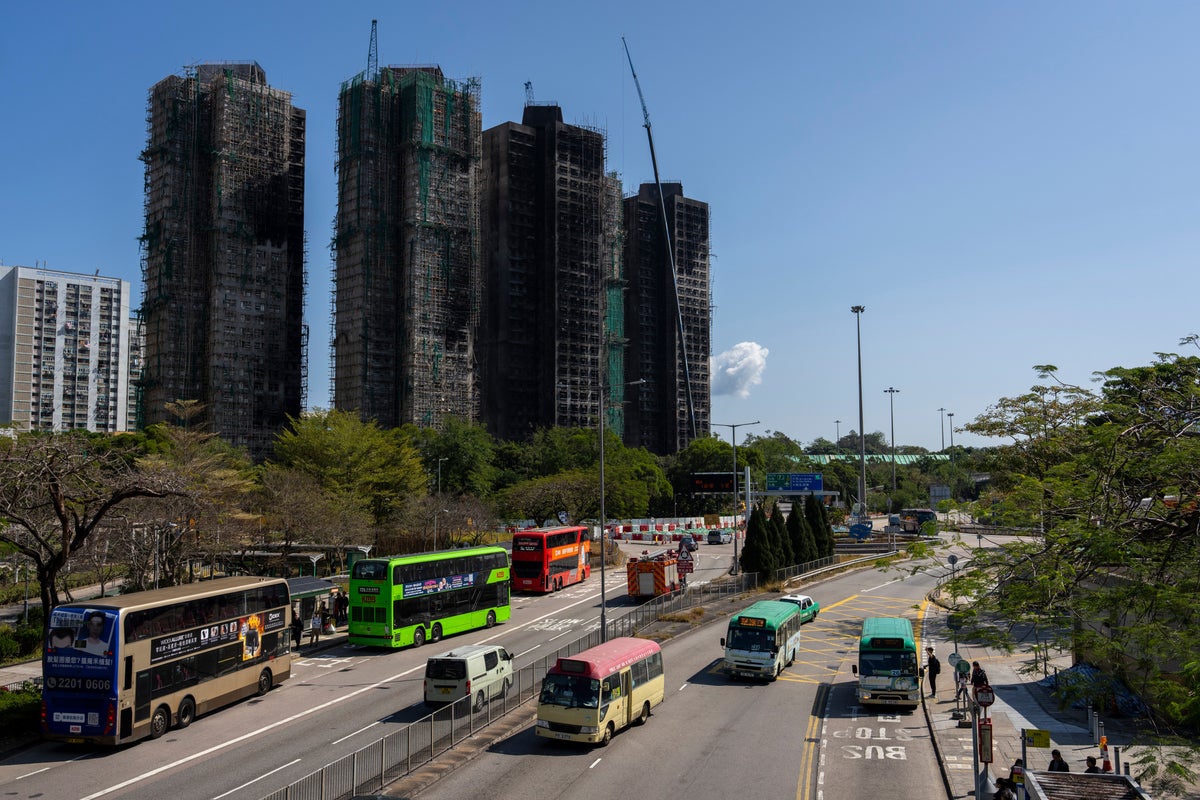 Hong Kong government offers to buy apartment ownerships from fire victims
independent.co.uk
Hong Kong government offers to buy apartment ownerships from fire victims
independent.co.uk
Hong Kong’s government is offering to buy back apartment ownership rights from residents displaced by last November’s deadliest blaze in decades—an intervention that reads less like housing policy and more like a state-run exit ramp from a suddenly illiquid asset.
According to The Independent, officials unveiled resettlement plans on Saturday for thousands of people affected by the fire at Wang Fuk Court in Tai Po, which killed 168 people on 26 November 2025 and spread across seven apartment buildings. Nearly three months later, many former occupants remain in temporary accommodation across the city, supported by rental grants.
Under the plan, homeowners in the seven buildings can sell their ownership rights to the government for cash and then find housing on the private market, or use the proceeds to buy a replacement flat under a designated government scheme. Those who prefer not to handle “a large amount of cash” can directly exchange into a unit under the policy, officials said.
The price tag is substantial: the government estimates buying back rights for about 1,700 units would cost HK$6.8bn (about US$870m). Roughly HK$4bn would come from public funds, with the remainder covered by a relief fund.
Deputy Financial Secretary Michael Wong framed the offer as damage control for a market failure the state says it must solve. The buildings are expected to be dismantled; the government does not plan to redevelop residential housing on the site and instead suggests a park or community facilities. Wong said there is no “reasonable or cost-effective” way to repair the buildings—and that without state intervention, owners would struggle to find buyers. He argued residents’ investments could “turn to nothing.”
That statement is the tell. When the government positions itself as buyer of last resort, it is implicitly admitting that property rights are only as durable as the political and regulatory environment around them. A flat can be “owned” on paper while becoming economically untradeable in practice. The state is now offering liquidity—funded by taxpayers—after a disaster it says was worsened by substandard materials.
Authorities have blamed substandard scaffold netting and foam boards used during a maintenance project for the rapid spread of the fire, The Independent reports. Some arrests have been made, while an independent committee continues investigating.
Officials say the proposal reflects residents’ preferences: 74% of respondents in a survey were willing to consider selling their ownership rights to the government. About 9% said they would accept only on-site redevelopment, which Wong said could take around a decade.
The irony is hard to miss: the state that regulates building standards, oversees enforcement, and controls much of the housing pipeline now steps in as “market maker” when its own system produces an unmarketable asset. The offer may be voluntary, but in a heavily managed property market, ‘exit’ is often granted—at terms set by the same manager.