
Mexico precious-metals boom draws cartel extortion into mining supply chains
US terror designations turn protection payments into legal liability
Images
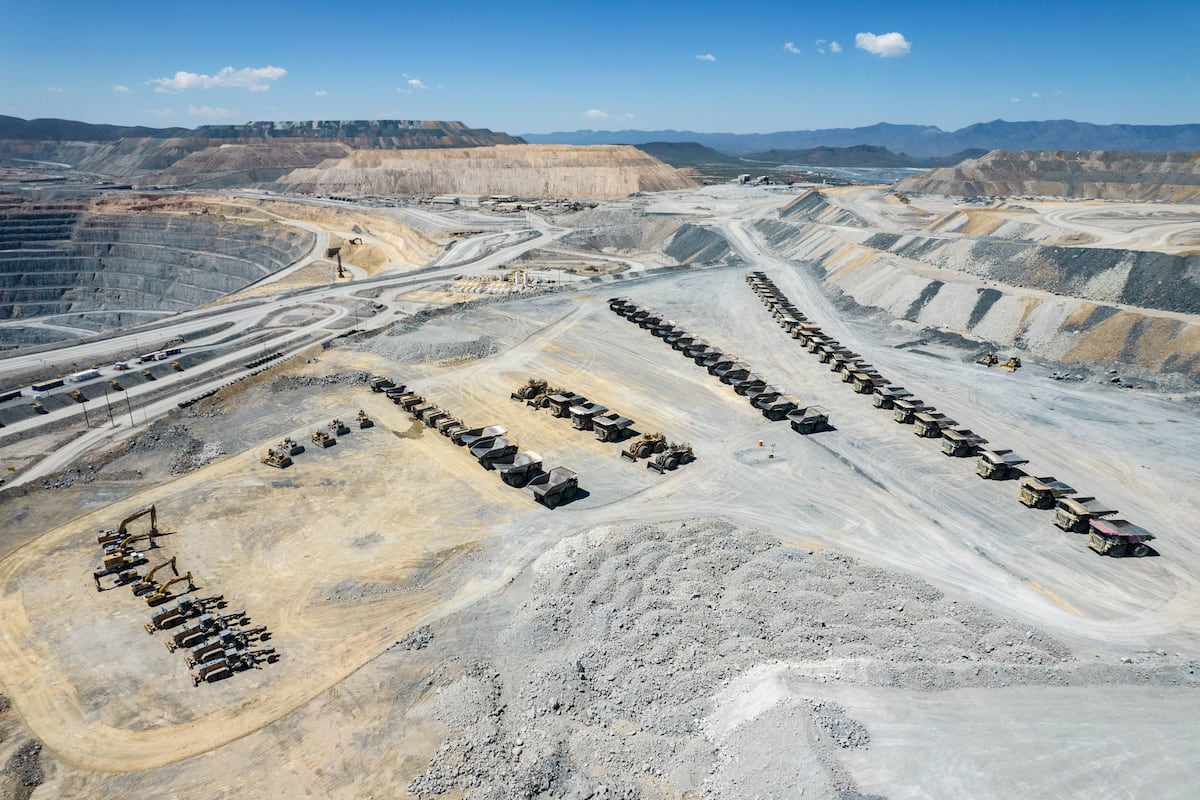 Precious metals boom catches the attention of organized crime in Mexico
english.elpais.com
Precious metals boom catches the attention of organized crime in Mexico
english.elpais.com
A surge in global gold and silver prices is turning Mexico’s mining belt into what happens when property rights exist on paper and “security” is negotiated at gunpoint.
According to El País, the January kidnapping of 10 miners in Sinaloa working for Canada’s Vizsla Silver exposed how organized crime has expanded from trafficking to something closer to fiscal policy: a parallel system of extraction that functions like a private royalty regime. As metals prices spike—El País notes silver up more than 120% in six months and gold up about 50%—criminal groups intensify their pressure on both formal and informal mining. The logic is simple: when the commodity price rises, so does the value of controlling access to the site, the road, the fuel, the explosives, the labor, and ultimately the company’s ability to operate.
The details are grim. By early February, at least five of the kidnapped workers had been identified in clandestine graves near El Verde; the other five remained missing, Vizsla said in a statement cited by El País. The company emphasized “zero tolerance” for bribery, corruption, and extortion, and said it works with “internationally recognized security advisors,” while acknowledging that physical operations were suspended.
That formulation captures the bind. In regions where cartels exert territorial control, extortion is not an incidental crime but a pricing mechanism. Firms are forced to pay protection money, or—more elegantly—are required to hire “approved” suppliers linked to the same groups shaking them down, raising costs and embedding cartel influence into procurement and logistics, El País reports. The result is a market where the monopoly on violence becomes a licensing authority.
Washington is now trying to make that licensing illegal. El País points out that the Trump administration designated eight cartels and criminal groups—including the Sinaloa Cartel and Jalisco New Generation Cartel—as terrorist organizations in February 2025. That shift creates a second layer of risk: companies that comply with extortion demands could face U.S. investigations for money laundering or financing terrorism. El País notes that the new posture has already been linked to frozen corporate accounts and interventions in three Mexican financial institutions tied to money-laundering cases.
Mexico’s government, meanwhile, continues to promise security while presiding over an economy where investment decisions increasingly hinge on local armed actors rather than courts, contracts, or regulators. When the expected return on a mine depends on negotiating with whoever controls the road this month, “foreign direct investment” starts to look less like capital formation and more like hostage finance.
The metals boom is real. Without enforceable property rights, a commodity supercycle doesn’t create wealth—it auctions it to the most organized coercion.