
Western Europe floods expose climate governance gap
Plans and slogans centralised while drainage and land-use incentives fail locally, officials collect virtue credits as citizens collect water damage
Images
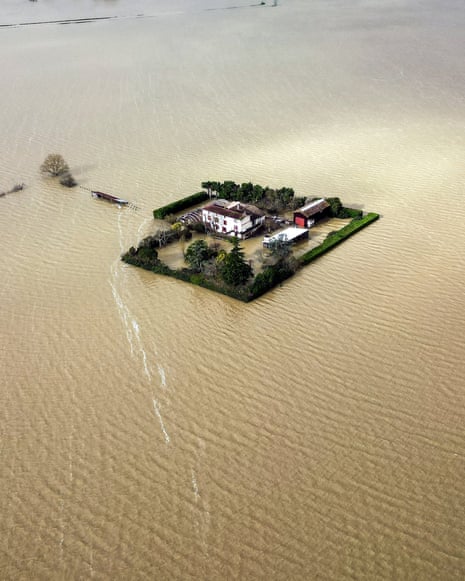 Flood waters of the Garonne River in the village of Couthures-sur-Garonne, in south-western France, on Thursday. Photograph: Lionel Bonaventure/AFP/Getty Images
theguardian.com
Flood waters of the Garonne River in the village of Couthures-sur-Garonne, in south-western France, on Thursday. Photograph: Lionel Bonaventure/AFP/Getty Images
theguardian.com
 Portugal flood drone loop
theguardian.com
Portugal flood drone loop
theguardian.com
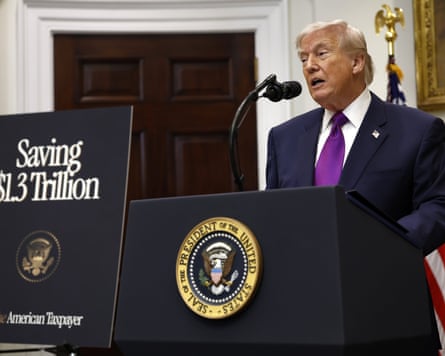 Donald Trump at the White House in Washington earlier this month as rules that regulate greenhouse gas emissions from vehicles were repealed in the US. Photograph: Will Oliver/UPI/Shutterstock
theguardian.com
Donald Trump at the White House in Washington earlier this month as rules that regulate greenhouse gas emissions from vehicles were repealed in the US. Photograph: Will Oliver/UPI/Shutterstock
theguardian.com
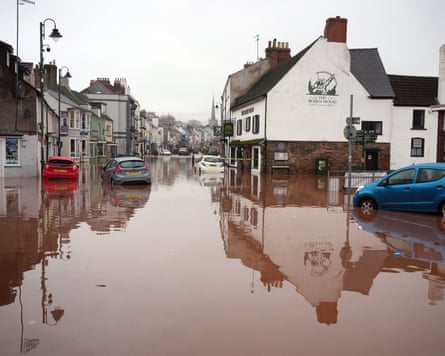 Cars partly submerged in flood waters on 15 November in Monmouth, Wales. Photograph: Christopher Furlong/Getty Images
theguardian.com
Cars partly submerged in flood waters on 15 November in Monmouth, Wales. Photograph: Christopher Furlong/Getty Images
theguardian.com
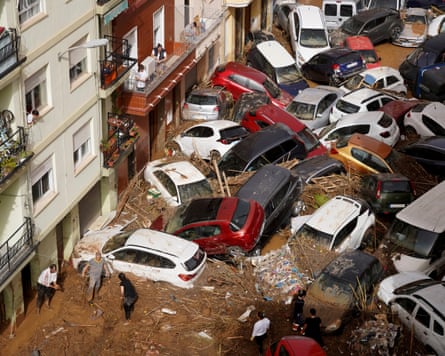 Residents clean the street next to cars piled up after being swept away by floods in Valencia, Spain in October 2024. Photograph: Alberto Saiz/AP
theguardian.com
Residents clean the street next to cars piled up after being swept away by floods in Valencia, Spain in October 2024. Photograph: Alberto Saiz/AP
theguardian.com
Europe is getting a product from its political class: climate theatre with the accountability carefully outsourced.
In a dispatch from flood-hit western Europe, The Guardian reports that successive winter storms have killed people in Spain and Portugal, saturated soils across France, and pushed the UK toward rainfall records. The human details are grimly local: in Málaga province, two friends driving home after dinner were swept away when the usually calm Fahala River became, in the mayor’s words, an “uncontrollable torrent”. Their absence is registered not in GDP, but in a book club missing a member and a café that lost its pastry chef.
The weather is changing; the governance is not. The same article notes that, even as extremes worsen, the political pressure to roll back environmental rules is rising—helped along by far-right parties and by US-linked networks such as the Heartland Institute. Meanwhile, the United States is exporting its own brand of energy politics: Donald Trump is again exiting the Paris agreement and dismantling regulatory findings underpinning vehicle emissions rules, while US energy secretary Chris Wright (a former fracking executive) is pressuring Europe to soften methane and sustainability standards that could impede American LNG exports.
Europe’s predicament is not that it lacks plans. It is that it has a surplus of centralised targets and a deficit of hard, decentralised risk management.
Flooding is not primarily a “values” problem; it is an incentives problem. Drainage maintenance, river management, building restrictions in floodplains, and insurance pricing are unglamorous, intensely local, and politically painful because they impose costs on identifiable voters and property owners. So the European instinct is to shift the effort upward into Brussels-shaped policy: carbon pricing frameworks, sustainability reporting, and grand industrial strategies. Those can be announced at podiums; they do not require telling a municipality to stop permitting housing in a flood-prone valley.
The result is “climate policy without skin in the game”: officials accrue reputational benefits for ambitious rulebooks while the physical downside—ruined homes, dead drivers, destroyed small businesses—lands on individuals and localities. When the bill arrives, the same system that centralised the moral credit decentralises the damage.
A critique is not that climate risk is imaginary; it is that Europe keeps treating it as a branding exercise. If governments want resilience, they should stop subsidising denial via mispriced risk. That means letting insurers charge what flood exposure actually costs (and letting those prices discipline land use), enforcing transparent liability for negligent planning, and devolving responsibility to the level where failure is visible.
Europe can keep writing climate rules. But until it starts aligning incentives around basic risk management, it will continue to discover that “absolute vigilance” alerts do not drain rivers, reinforce bridges, or resurrect the people swept away on the way home.