
US evacuates personnel near Iran
Oil market prices conflict risk into Brent and gasoline, central banks face inflation shock they will call temporary
Images
 Trump loves cheap gas—but a military conflict in Iran could nearly double your price at the pump
dnyuz.com
Trump loves cheap gas—but a military conflict in Iran could nearly double your price at the pump
dnyuz.com
 Amerikaner evakueras från militärbaser nära Iran
di.se
Amerikaner evakueras från militärbaser nära Iran
di.se
A fresh round of US military repositioning around Iran is being priced less like a foreign-policy headline and more like an options market: a jump in implied volatility for crude.
Fortune reports that the risk of a military conflict involving Iran could “nearly double” US gasoline prices. The mechanism is not mysterious: Iran sits astride the Strait of Hormuz, the choke point for a large share of globally traded oil and LNG. Even without an actual disruption, the market reprices tail risk: insurance premia for shipping rise, forward curves steepen, refinery feedstock costs move, and every importer discovers that “energy security” is just another name for paying up.
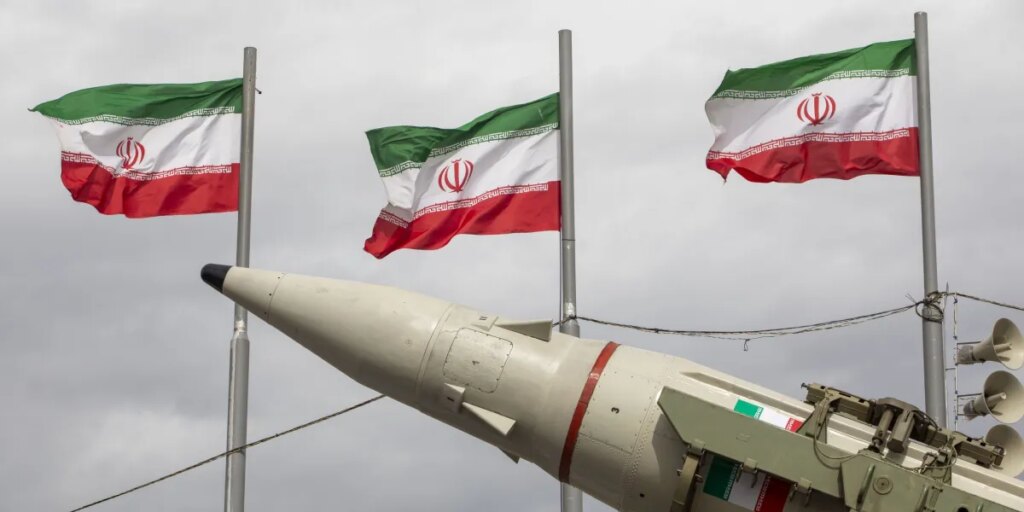
The operational backdrop is also real. Swedish business daily Dagens Industri, citing TT, reports that Americans are being evacuated or moved from US facilities near Iran, including personnel shifted from al-Udeid in Qatar (the largest US base in the Middle East, around 10,000 troops) and from a cluster of bases in Bahrain. The report notes the moves come amid escalating US–Iran tensions as President Donald Trump pushes for a new nuclear deal, and after a rapid US military buildup in the region. Al-Udeid was previously attacked by Iran during the June “twelve-day war” with Israel.
For markets, the point is not whether the next headline is diplomacy or drones; it is that the distribution of outcomes gets fatter. When Brent or WTI embeds a larger geopolitical premium, the pass-through to consumer inflation can be faster than central banks’ public-relations cycle. Europe is particularly exposed because it is a price taker in global oil markets, with marginal pricing set internationally and amplified locally by refining constraints, seasonal product spreads (gasoline/diesel cracks), and currency.
Sweden adds a twist: a small currency and a large import bill. A weaker SEK against the euro and dollar turns global crude moves into a domestic multiplier, while pump prices also reflect refining margins and taxes that are conveniently “fixed” right up until politicians decide they are not. Households get the worst of both worlds: global volatility plus local policy discretion.
The lesson is that “stability” in energy prices is not something governments can decree—especially not governments simultaneously running foreign policy by ultimatum and deterrence. The same state that promises to protect consumers from inflation is perfectly capable of manufacturing the risk premium that causes it.
If the market is treating the Middle East as a live contract with convex payoff, that is because it is. And unlike traders, consumers can’t hedge their commute.