
Trump White House fires court-appointed interim US attorney in Eastern District of Virginia
Judges’ stopgap appointment power collides with executive control, Prosecutorial independence reclassified as staffing
Images
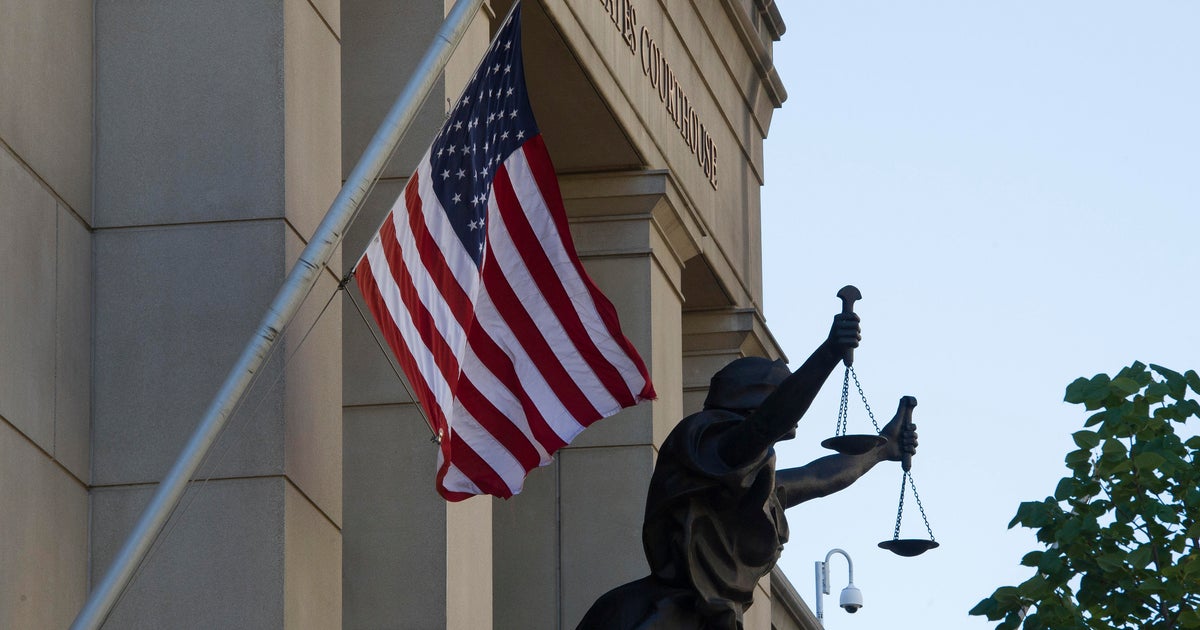 Trump administration fires new top prosecutor in Eastern Virginia almost immediately after he was hired by judges
cbsnews.com
Trump administration fires new top prosecutor in Eastern Virginia almost immediately after he was hired by judges
cbsnews.com
The Trump administration fired James Hundley as interim US attorney for the Eastern District of Virginia (EDVA) within hours of his selection by the district’s federal judges, a move that turns a supposedly independent prosecutorial office into a White House personnel action.
According to CBS News, EDVA’s judges had appointed Hundley after the previous interim US attorney stepped down. Under federal law, district judges can name an interim US attorney when a vacancy arises, a mechanism designed to keep prosecutions running when the executive branch stalls or deadlocks. The White House then removed Hundley almost immediately.
This is not just bureaucratic pettiness; it is a clean demonstration of constitutional friction. The Appointments Clause gives the president power to nominate principal officers with Senate confirmation, while Congress can vest appointment of “inferior officers” in the president alone, courts, or department heads. Interim US attorneys sit in that murky space: they wield enormous discretion—charging decisions, plea offers, cooperation agreements—yet are often installed through stopgap procedures. When the executive branch treats a court-appointed interim as removable at will, the judiciary’s continuity mechanism becomes a temporary inconvenience rather than a real check.
EDVA is not a ceremonial backwater. It is a high-throughput venue for national security cases, public corruption, cybercrime, and complex federal investigations—an office where the “plea pipeline” matters. A change at the top can alter priorities (which cases get resources), bargaining posture (how hard prosecutors push cooperation), and timing (whether indictments are accelerated or allowed to drift). Even if line prosecutors keep working, defense counsel and targets read signals: a leadership purge suggests policy churn, and policy churn changes leverage.
From a centralization standpoint, the strategy is rational. If an administration wants tighter control over prosecutorial discretion, it must reduce the number of nodes that can act autonomously—especially nodes with local judicial legitimacy. Court-selected interims are, by design, harder to steer. Removing them quickly tells every US attorney’s office that “independence” is conditional on executive satisfaction.
Washington routinely sells prosecutorial independence as a rule-of-law virtue—until independence produces an outcome the executive doesn’t like. Then it becomes an HR issue.
CBS notes the firing came as Trump also touted a new tariff order after the Supreme Court curtailed parts of his tariff program. When institutions resist, the response is rarely persuasion; it is substitution: swap the person, swap the legal hook, keep the policy.