
Deadly February for Tahoe skiers continues as resorts sell risk at scale
CBS News and Miami Herald count more fatalities at Heavenly, State Department issues Europe avalanche warning after the marketing already worked
Images
 Avalanche slams into moving train in Swiss Alps
foxnews.com
Avalanche slams into moving train in Swiss Alps
foxnews.com
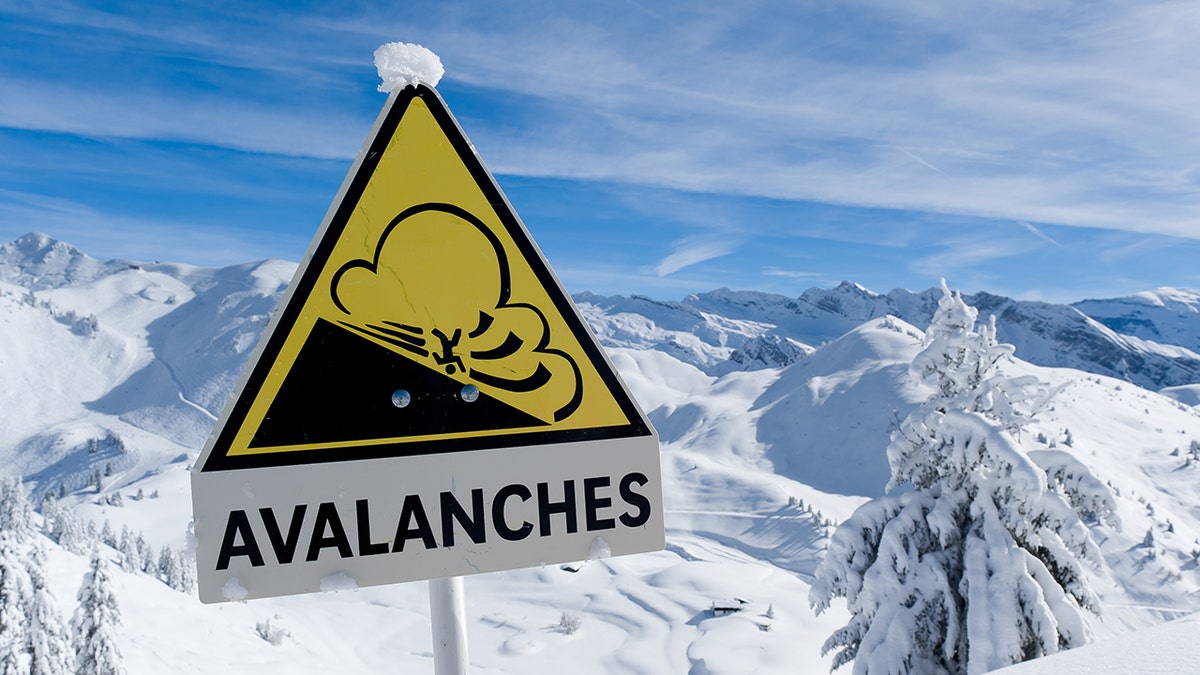 Avalanche sign in the Alps
foxnews.com
Avalanche sign in the Alps
foxnews.com
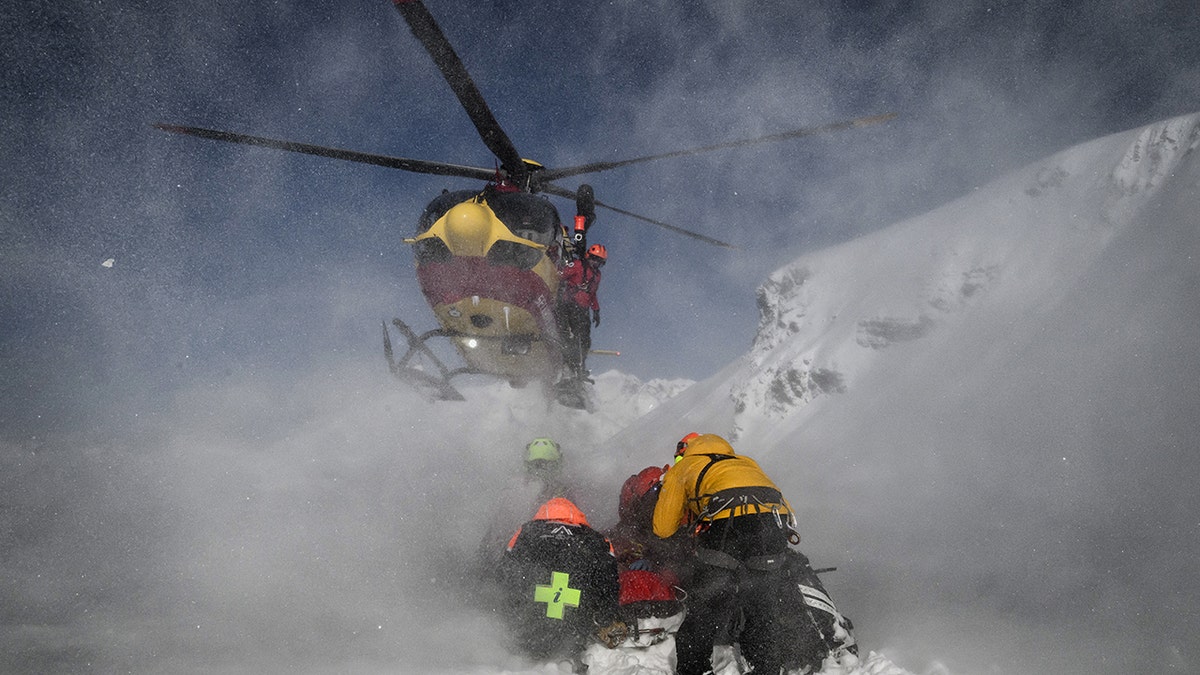 Avalanche rescue in the French Alps
foxnews.com
Avalanche rescue in the French Alps
foxnews.com
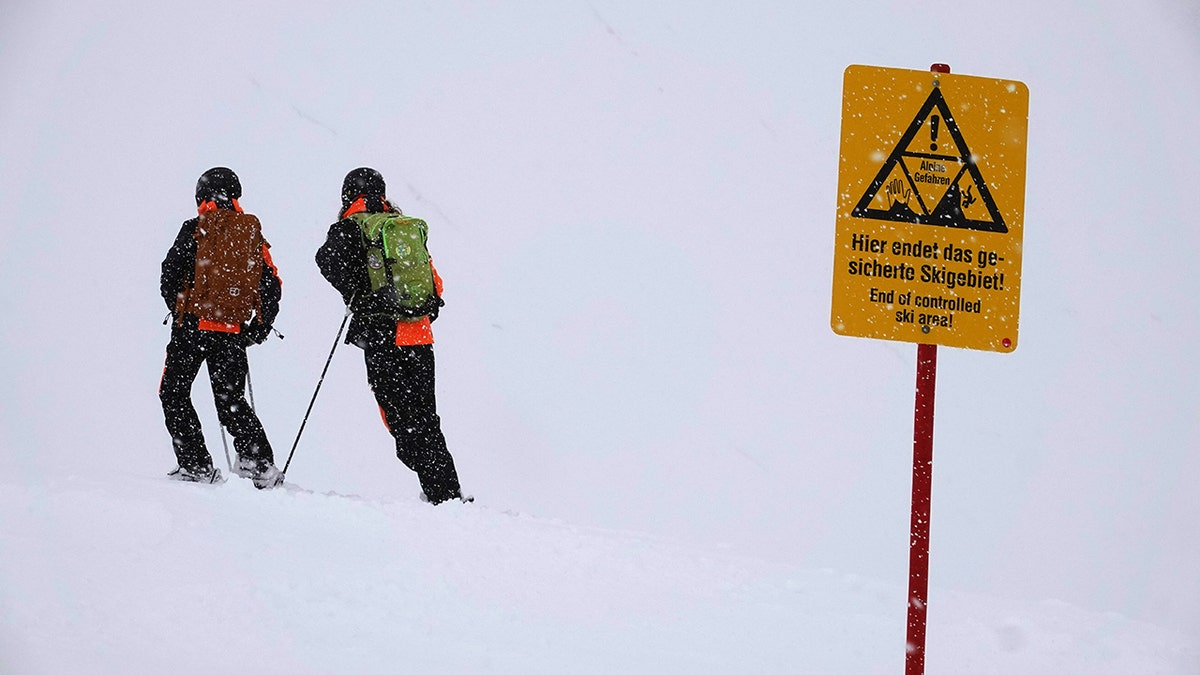 Ski patrolers in Austria
foxnews.com
Ski patrolers in Austria
foxnews.com
February has been a bad month to be sold the alpine dream.
In the Lake Tahoe region, two more skiers died this week, continuing what CBS News calls a “deadly February.” The Miami Herald reports the latest fatalities occurred at Heavenly Mountain, bringing the month’s total at Tahoe-area resorts to at least five deaths. In the background sits the business model: resorts sell risk as recreation, then treat casualties as weather—an externality.
The marketing is familiar: powder days, “epic” terrain, curated stoke on social media, and an equipment ecosystem that implies control—beacons, airbags, apps, patrol reports. The product is not just lift tickets; it is the feeling of competence in an environment that remains indifferent. When it goes wrong, responsibility fragments instantly: the snowpack was unstable, the victim made a choice, the mountain is unpredictable.
Across the Atlantic, the U.S. State Department has issued a warning about “extremely dangerous” avalanche conditions in parts of Switzerland, Austria and France, Fox News reports. The alert points travelers to the European Avalanche Warning Service and notes high danger ratings in regions such as Tyrol and Vorarlberg. It is a neat bureaucratic ritual: after decades of governments and tourism boards promoting winter sports as safe, regulated, and professionally managed, the state reappears mainly to advise citizens to “monitor conditions” and “stay on marked trails.”
The same system that industrializes access to high-risk terrain—lifts, groomed runs, resort villages, mass travel—also standardizes the language of disclaimers. Resorts can advertise adventure at scale, while liability is pushed down to the individual skier’s “decision-making.” Meanwhile, public agencies become the backstop: search-and-rescue, medical response, closures, and, when bodies appear, the official narrative of unfortunate accidents.
The Tahoe deaths also highlight how safety is increasingly outsourced to personal gear and personal branding. A backcountry setup can cost more than the trip itself; the consumer is told that buying the right kit is a kind of moral preparation. But a beacon is not a contract with physics, and a glossy avalanche forecast does not convert a mountainside into an insured experience.
Winter sports have always involved risk. What’s new is the packaging: danger sold as a lifestyle subscription, amplified by feeds, and sanitized by the same institutions that profit from access—until the snowpack sends the invoice.
In Tahoe and in Europe, this is consistent: risk is marketed by private operators, normalized by culture, and then, when it turns lethal, redistributed to weather, fate, and government advisories. No one is in charge, but everyone gets paid.