
Viral baby monkey Punch turns zoo care into global soap opera
LA Times chronicles maternal rejection and stuffed-toy fandom, compassion becomes content and everyone gets to supervise for free
Images
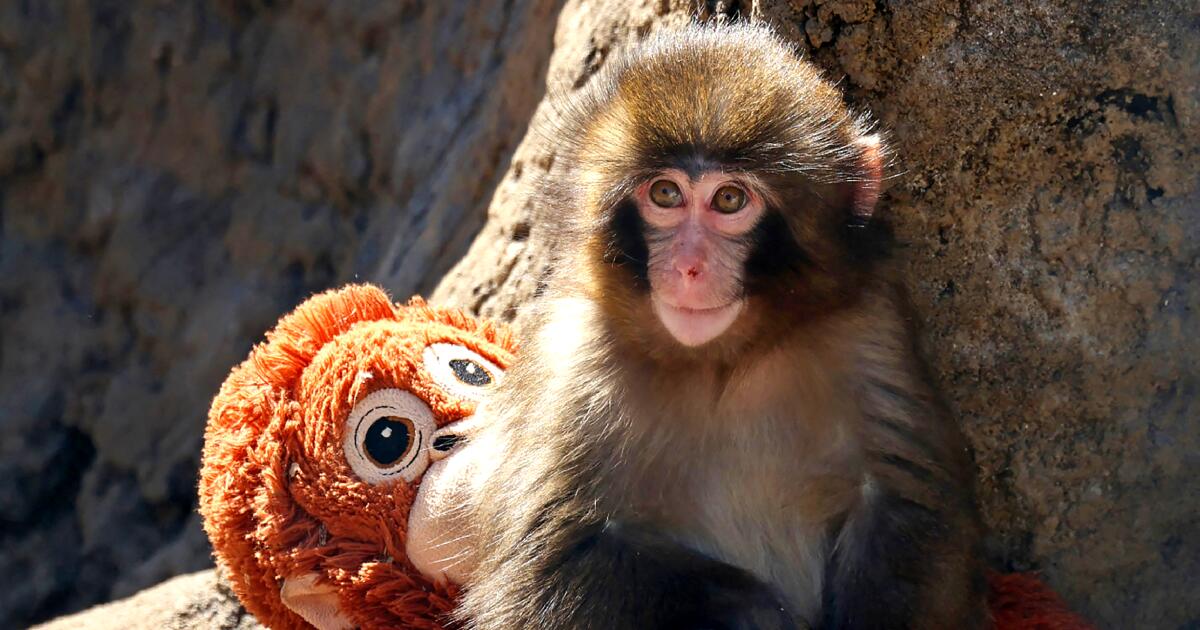 Commentary: 'I am Punch': How a baby monkey made us laugh, cry and see ourselves in his struggle to fit in
latimes.com
Commentary: 'I am Punch': How a baby monkey made us laugh, cry and see ourselves in his struggle to fit in
latimes.com
Los Angeles’ newest viral celebrity is a baby monkey named Punch—an infant rejected by his mother and, according to the Los Angeles Times, quickly transformed into something more than an animal needing care: a global projection screen.
The Times’ Mary McNamara describes Punch as a small primate with a stuffed toy, a name, and a storyline—“struggle to fit in”—that has been packaged into a feed-friendly serial. That packaging is the point. Modern zoos are no longer just custodians of animals; they are content factories competing in the same attention market as influencers, streamers, and reality TV. A fragile newborn becomes a narrative asset.
The incentives align neatly. For the zoo, a compelling individual animal boosts foot traffic, memberships, donations, and brand relevance. For the public—watching from phones and comment sections—Punch offers a low-stakes moral theater: a creature visibly vulnerable, a caretaking apparatus to judge, and an emotionally legible plot with villains (neglect, nature, bureaucracy) and heroes (keepers, donors, the audience itself). Parasocial attachment does the rest. Once an animal is named, narrated, and meme’d, the crowd’s sense of ownership follows.
That ownership is not benign. A viral animal story invites the public to act like a supervisory board without any of the liabilities: no duty of care, no budget constraints, no veterinary responsibility, but endless certainty. The zoo, meanwhile, must manage not only animal welfare and husbandry but also reputational risk—while being tempted to lean into the attention because attention pays.
Punch’s origin story—maternal rejection—also exposes the uncomfortable truth of captive wildlife management: it is simultaneously intimate and industrial. Zoos routinely intervene in reproduction, bonding, and rearing for population management and welfare reasons. Yet when one case becomes famous, every decision is reinterpreted as either cruelty or sainthood. The same institution that is asked to behave like a sanctuary is also expected to operate like a transparent public utility.
The Times frames Punch as making audiences “laugh” and “cry,” which is accurate—and revealing. The infant monkey is not merely being cared for; he is being consumed. The audience’s emotional needs become part of the habitat.
In the end, Punch is an individual animal with his own welfare interests. But the viral machine doesn’t reward quiet competence; it rewards drama, updates, and a storyline that never ends. Zoos didn’t invent that market. They’re just learning to monetize it—while pretending, as everyone does online, that it’s all about compassion.