
PacifiCorp pays $575 million to settle US wildfire claims
Berkshire Hathaway utility keeps absorbing liability from grid-caused fires, electricity customers get a new line item called lawsuit-capital
Images
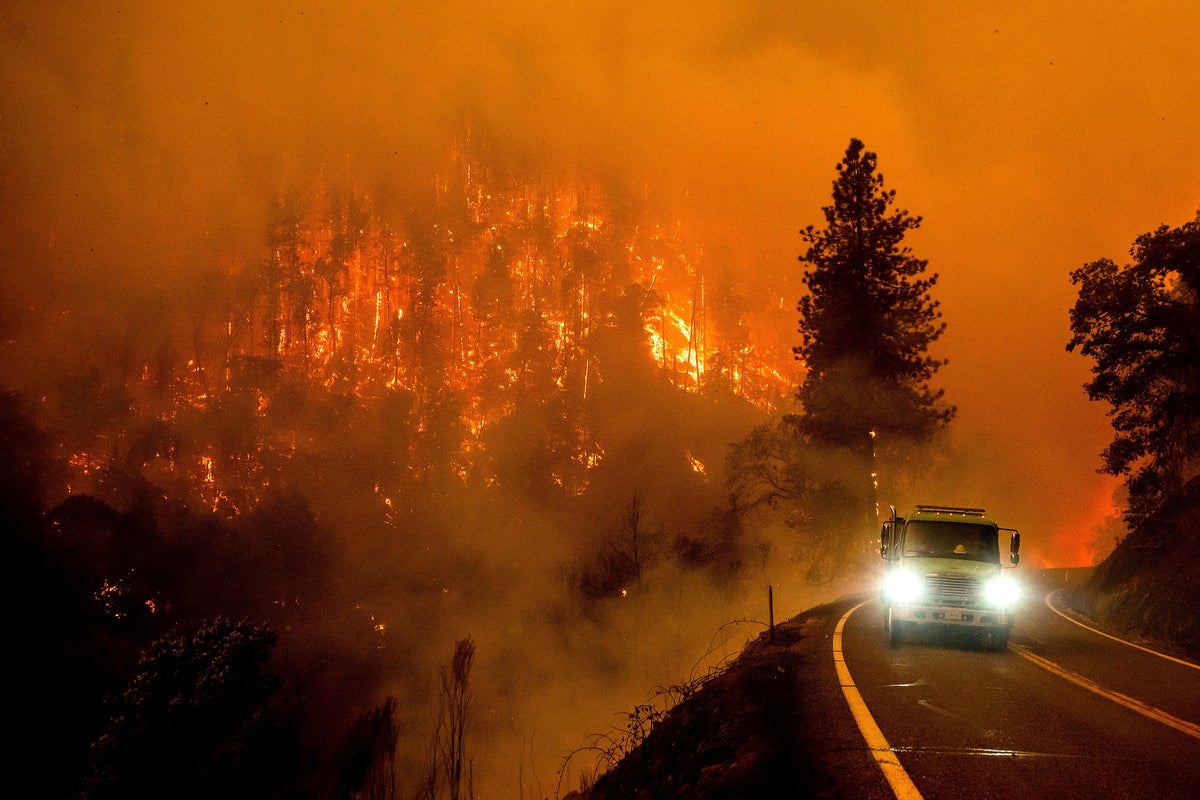 PacifiCorp to pay $575M to resolve federal government's claims over wildfires in Oregon, California
independent.co.uk
PacifiCorp to pay $575M to resolve federal government's claims over wildfires in Oregon, California
independent.co.uk
PacifiCorp—owned by Warren Buffett’s Berkshire Hathaway—has agreed to pay $575 million to settle US federal claims that its power lines negligently sparked six wildfires in Oregon and California in 2020 and 2022, according to the Associated Press via The Independent.
The Justice Department said the settlement covers damages to roughly 290,000 acres of burned public land and reimburses federal firefighting costs. It also comes with an unusually candid admission of the state’s own fiscal reality: the department noted that the US Forest Service now spends more than half its budget on wildfire suppression. When a federal agency’s baseline operating model becomes “fight fires all year,” the incentives for prevention predictably degrade—and the cleanup bill gets routed to whoever has a balance sheet.
PacifiCorp says it has settled more than $2 billion in fire-related claims so far. That number is not a one-off “bad year” expense; it is increasingly the cost of doing business for utilities operating in fire-prone regions under a liability regime that treats grid owners as the insurer of last resort for a complex mix of vegetation management, land-use policy, and climate-driven weather volatility.
The Oregon Labor Day 2020 fires were among the state’s worst disasters, killing 11 people, burning more than one million acres, and destroying thousands of homes, The Independent reports. In Oregon trials, juries have already ordered PacifiCorp to pay hundreds of millions more, including punitive damages after findings that it failed to cut power despite warnings from fire officials. A class action framework means the meter is still running: more than a thousand class members reportedly have trials scheduled in 2026 and 2027.
Even while appealing judgments, utilities must post bonds, tying up cash and raising financing costs. PacifiCorp’s CEO Darin Carroll recently announced a $1.9 billion sale of its Washington wind, natural gas generation, and distribution assets to Portland General Electric to “stabilize” finances, per The Independent.
Berkshire Hathaway, famously sitting on vast cash reserves, is not rushing to socialize the losses across the conglomerate. The Independent notes the company expects PacifiCorp to handle its own obligations—an almost quaint corporate-government contrast: private capital still tries to enforce internal discipline, while public agencies externalize suppression costs and then litigate for reimbursement.
For ratepayers and investors, “climate risk” is often just legal risk wearing a greener name tag. If utilities must price in unpredictable tort exposure, they will either raise rates, underinvest, or demand regulatory protection. None of those outcomes makes electricity cheaper. They merely decide who gets billed first.