
Pangolins remain world’s most trafficked mammals
CITES seizures top 500,000 since 2016, prohibition pricing turns keratin into contraband
Images
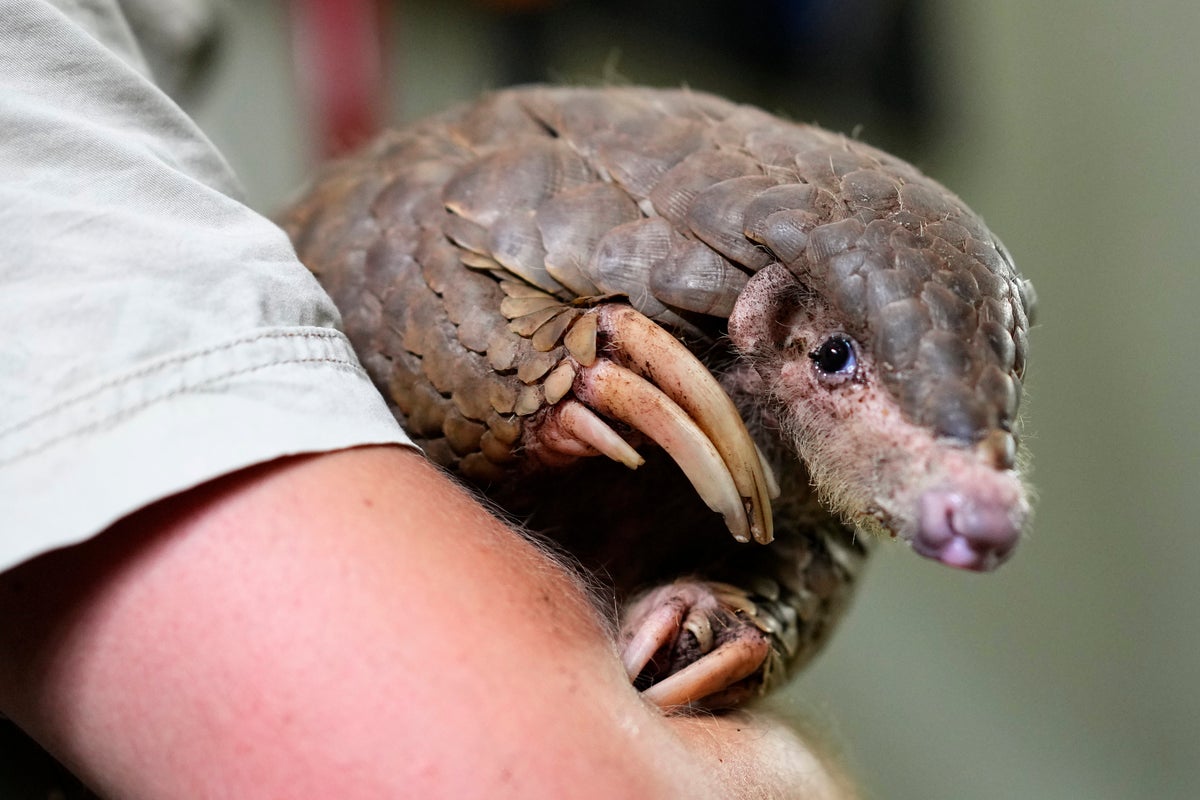 These shy, scaly anteaters are the most trafficked mammals in the world
independent.co.uk
These shy, scaly anteaters are the most trafficked mammals in the world
independent.co.uk
Pangolins have the misfortune of being both biologically unique and bureaucratically priceless. On World Pangolin Day, conservation groups again highlighted that the shy, nocturnal insect-eaters are now the most trafficked mammals on Earth—an outcome that owes as much to policy design as to human appetite.
According to an analysis cited by the Associated Press and carried by The Independent, more than half a million pangolins were seized in anti-trafficking operations between 2016 and 2024, based on data compiled under CITES, the global treaty system that regulates trade in endangered species. The World Wildlife Fund estimates more than a million pangolins were taken from the wild in the last decade when unseized shipments are included.
The demand story is familiar: pangolin meat is consumed as a delicacy in some places, but the high-margin driver is the scales—keratin plates identical in basic material to human hair and fingernails—sold into traditional-medicine markets in China and elsewhere in Asia, despite a lack of scientific support for the therapeutic claims. There are eight species (four in Africa, four in Asia), all assessed as facing high to extremely high extinction risk.
What is less often discussed is how the anti-trade architecture itself structures the market. CITES’ approach—tight restrictions, quotas, and outright bans—does not eliminate demand; it concentrates supply into a criminal distribution channel where scarcity is monetized. Every new enforcement success becomes a price signal. When legal supply is set to near-zero, the remaining supply chain is selected for the traits regulators least want: professional smuggling networks, corruption at ports, and violent extraction from rural communities.
Nigeria illustrates the mechanics. The Independent reports that Nigeria has become a global hotspot for pangolin trafficking, with local conservationists describing both widespread poaching and weak public awareness. Wildlife veterinarian Mark Ofua, who runs a rescue center and pangolin orphanage in Lagos, said he previously bought animals from bushmeat markets to save them—a small-scale private workaround to a system that largely criminalizes everyone except the end buyer. His more recent strategy is marketing: recruiting celebrities to make pangolins recognizable to Nigeria’s 240 million people.
The state’s preferred tools—prohibition and enforcement—are the very ones that turn pangolins into portable contraband. A different question is how to reduce the rent embedded in illegality. Legal, regulated farming or ranching (where biologically feasible), synthetic or substitute products for “medicinal” use, and demand-side honesty—admitting keratin is keratin—would attack the arbitrage rather than merely increasing the penalties for those caught holding the animal.
Until then, pangolins will remain what the treaty system accidentally made them: a globally priced black-market commodity with a conservation label attached.