
Fifth Circuit lifts block on Louisiana Ten Commandments classroom law
Judges call case premature despite compulsory school setting, Establishment Clause becomes culture-war staging permit
Images
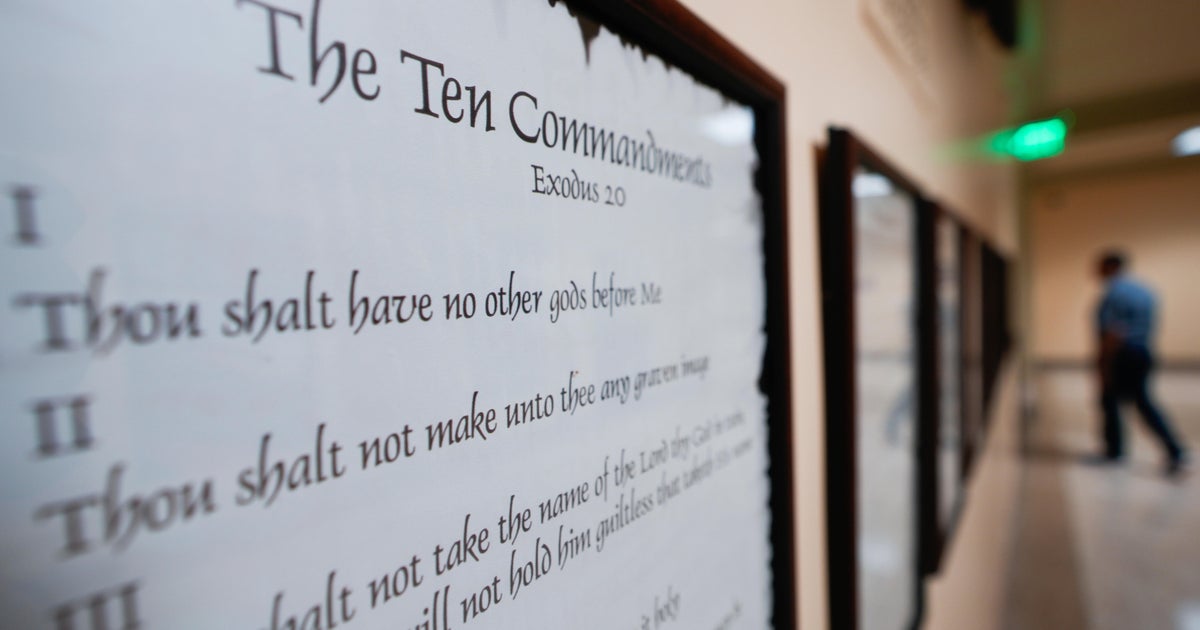 Appeals court clears way for Louisiana law requiring public schools to display Ten Commandments
cbsnews.com
Appeals court clears way for Louisiana law requiring public schools to display Ten Commandments
cbsnews.com
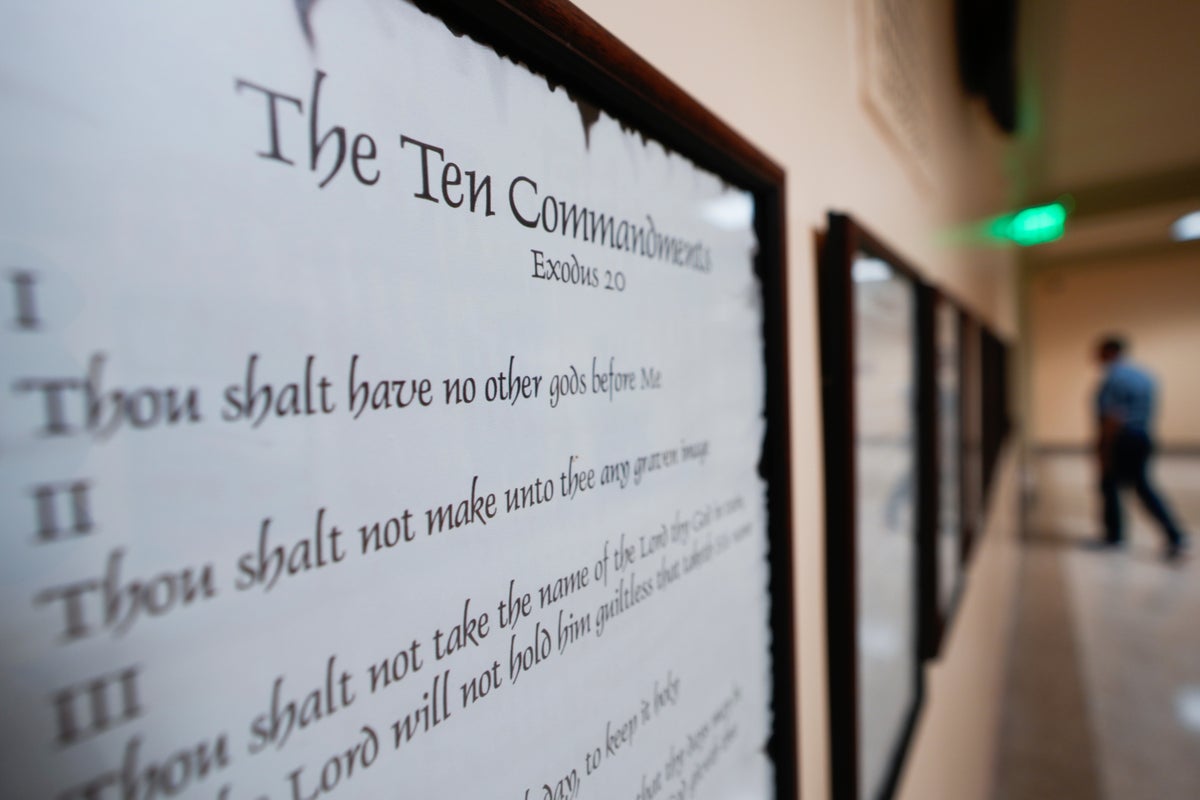 Court clears way for Louisiana law requiring Ten Commandments in classrooms to take effect
independent.co.uk
Court clears way for Louisiana law requiring Ten Commandments in classrooms to take effect
independent.co.uk
A federal appeals court has cleared the way for Louisiana to require public schools to display the Ten Commandments—at least for now—by lifting a lower-court block while declining to decide whether the law is constitutional.
According to CBS News and the Independent, the full US Court of Appeals for the Fifth Circuit voted 12–6 to allow the Louisiana statute to take effect. In its opinion, the majority argued it was “too early” to rule on the First Amendment because key implementation details remain unclear: how prominent the posters will be, whether teachers will reference the text in class, and whether the displays will be bundled with other historical documents such as the Mayflower Compact or the Declaration of Independence.
That posture is legally convenient. The state has passed a law whose central purpose is plainly expressive—government-mandated religious messaging in a compulsory setting—yet the court says it needs more facts to determine whether the government is endorsing religion. The dissenters were less delicate. Circuit Judge James L. Dennis wrote that the law is “precisely the kind of establishment the Framers anticipated and sought to prevent,” warning that it exposes children to state-backed religion in a place they are required to attend.
The fight is not occurring in isolation. The Independent notes Arkansas has passed a similar measure now being challenged in federal court, and Texas enacted a Ten Commandments classroom-display law that took effect in September. In Texas, multiple districts have been enjoined from posting the text in two cases, but many classrooms already have the posters—either self-funded by districts or provided through donations, a workaround that keeps the message up while diffusing accountability.
The core issue is not whether the Ten Commandments are good rules; many are. The issue is whether the state gets to conscript public institutions—funded by taxpayers of every faith and no faith—to act as catechists. Public schools are already a battleground for ideological content because they are government monopolies over childhood hours. Add compelled religious posting and you get the same model with different scripture: centralized authority using captive audiences to signal moral legitimacy.
The Fifth Circuit’s decision effectively turns the Establishment Clause into a procedural waiting room. Louisiana can proceed, families can sue again once the posters are up, and the state can claim it is merely “testing” implementation. Meanwhile, the government’s message is on the wall—literally—paid for by people who never agreed to attend the sermon.