
EPA moves to loosen coal-plant mercury controls
Methylmercury neurotoxicity depends on emissions-to-fish exposure chain not slogans, Regulators promise savings while outsourcing uncertainty to the public
Images
 The EPA just moved to repeal Biden-era protections aimed at safeguarding Americans’ health from toxic air pollution. Experts say the decision could be deadly (Getty Images)
Getty Images
The EPA just moved to repeal Biden-era protections aimed at safeguarding Americans’ health from toxic air pollution. Experts say the decision could be deadly (Getty Images)
Getty Images
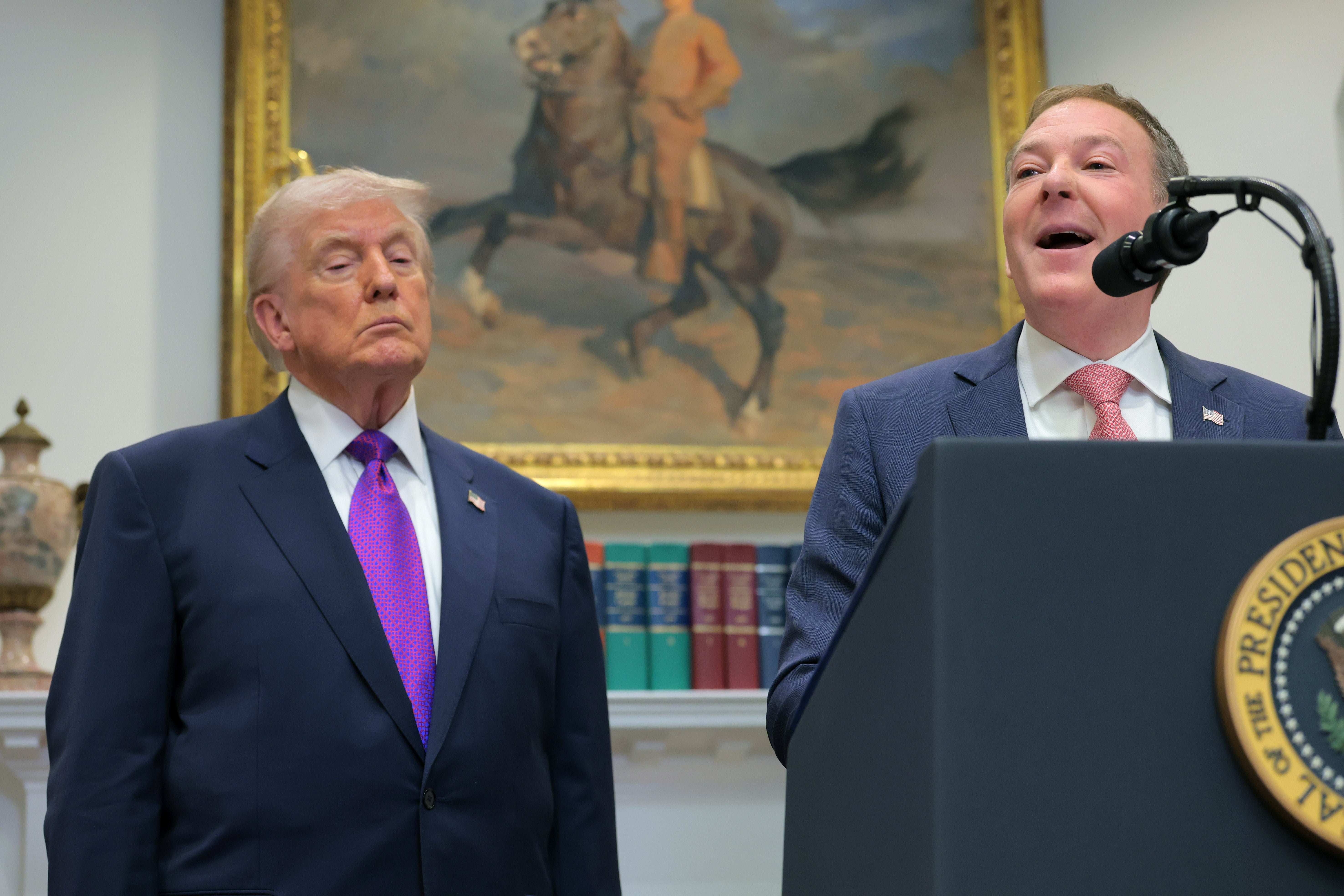 The Trump administration has been pushing to ramp up the production of coal and other fossil fuels (Getty Images)
Getty Images
The Trump administration has been pushing to ramp up the production of coal and other fossil fuels (Getty Images)
Getty Images
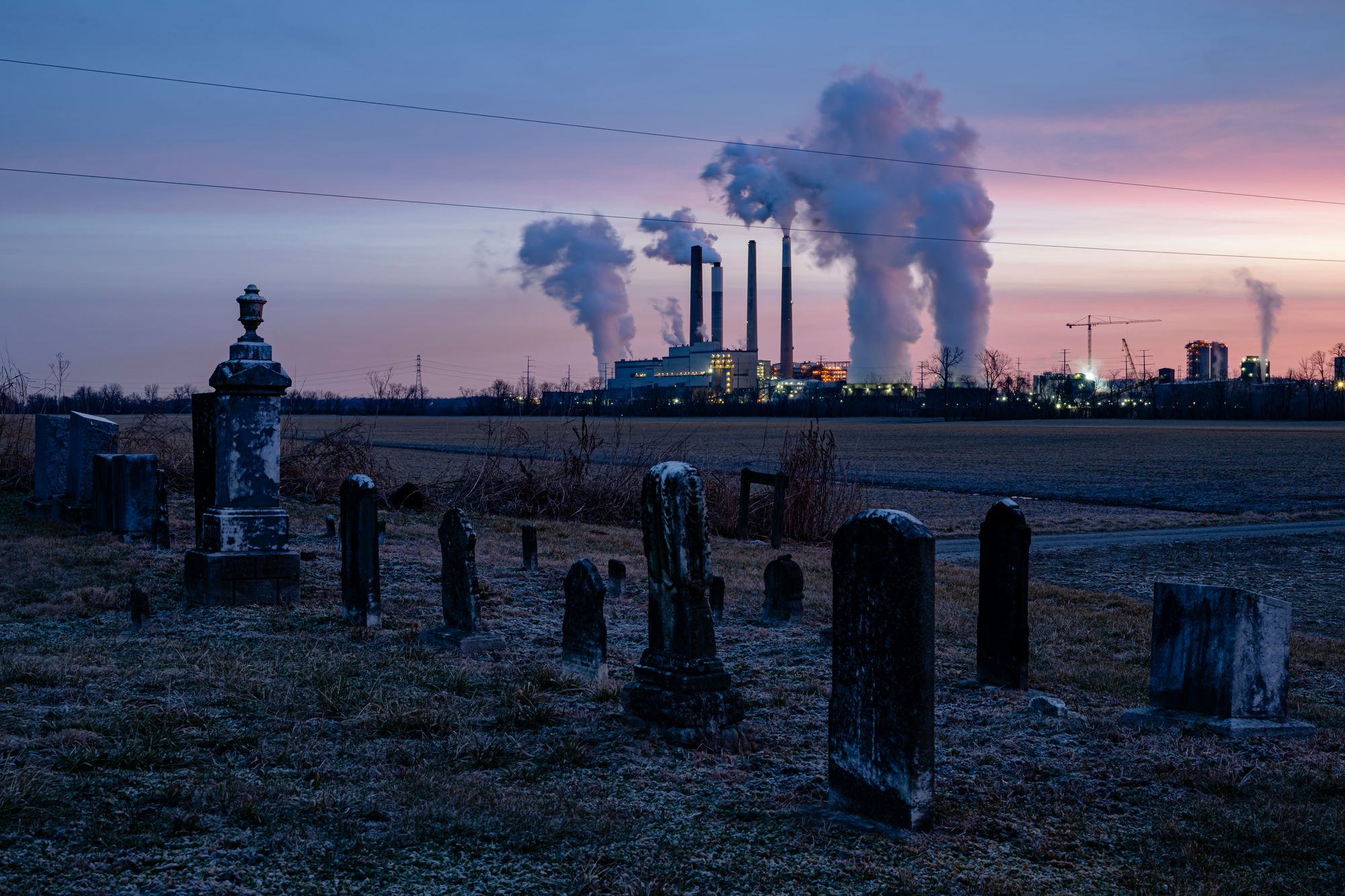 Air pollution is responsible for more than 135,000 early deaths each year in the U.S. (Getty Images)
Getty Images
Air pollution is responsible for more than 135,000 early deaths each year in the U.S. (Getty Images)
Getty Images
The Trump administration’s Environmental Protection Agency is moving to repeal a Biden-era tightening of the Mercury and Air Toxics Standards (MATS) for coal-fired power plants, potentially allowing higher emissions of hazardous air pollutants including mercury and arsenic. The Independent reports the EPA argues the 2024 amendments imposed “burdensome and unnecessary requirements” that threaten grid reliability, while claiming the core 2012 protections remain and estimating roughly $670 million in savings.
Strip away the press-release morality play and the scientific question is narrow: what does additional mercury from coal plants do to human health, and through what exposure pathways? Mercury’s headline risk in the general population is not inhaling elemental mercury vapor from a smokestack plume; it is methylmercury exposure via diet. Mercury emitted to air can deposit onto land and water, be converted by microbes into methylmercury, bioaccumulate up aquatic food webs, and then reach humans through fish and shellfish consumption. The Independent notes methylmercury is the form most Americans encounter and that diet dominates exposure.
Toxicology here is unusually well-characterized compared with many environmental controversies. Methylmercury is a neurotoxin with particular concern for fetal and early-childhood neurodevelopment. The dose–response evidence base includes epidemiology (maternal fish consumption and child cognitive outcomes) and biomarker work (hair and blood mercury as exposure proxies). The hard part is not whether methylmercury can harm neurodevelopment; it’s quantifying marginal harm from marginal emissions changes, given real-world variability in deposition, methylation rates, fish species, and consumption patterns.
Regulation therefore lives or dies on the causal chain’s measurability: emissions inventories → deposition modeling → methylation/bioaccumulation → human intake. Each link has uncertainties and local heterogeneity, which is why broad national claims often devolve into dueling models. The Independent cites public-health groups arguing the prior standards reduced power-sector mercury emissions by roughly 90% and that loosening rules could increase releases from the “dirtiest plants.” That is plausible in principle, but the public deserves the quantitative version: which plants, how much additional mercury, where it deposits, and what incremental biomarker shift is expected in which populations.
The political overlay is familiar: regulators invoke “public health,” industry and agencies invoke “reliability” and “cost,” and both sides treat uncertainty as a rhetorical weapon. A read is that centralized rulemaking tends to substitute sweeping claims for granular accountability. If EPA is serious that repealing the 2024 amendments keeps meaningful health protection intact, it should publish plant-level expected emissions changes and downstream exposure impacts. If opponents are serious that the change is “deadly,” they should specify the exposure increments and the populations bearing them.
Mercury risk is real; so is the temptation to legislate by slogan. The scientific center of gravity is not in slogans, but in dose, pathway, and measurement—and in whether policy can be audited against those quantities after the fact.