
UK Ofgem price cap set to cut household energy bills by £120
Government shifts costs by scrapping efficiency programme, political risk reappears as higher capital costs and 2029 cliff edge
Images
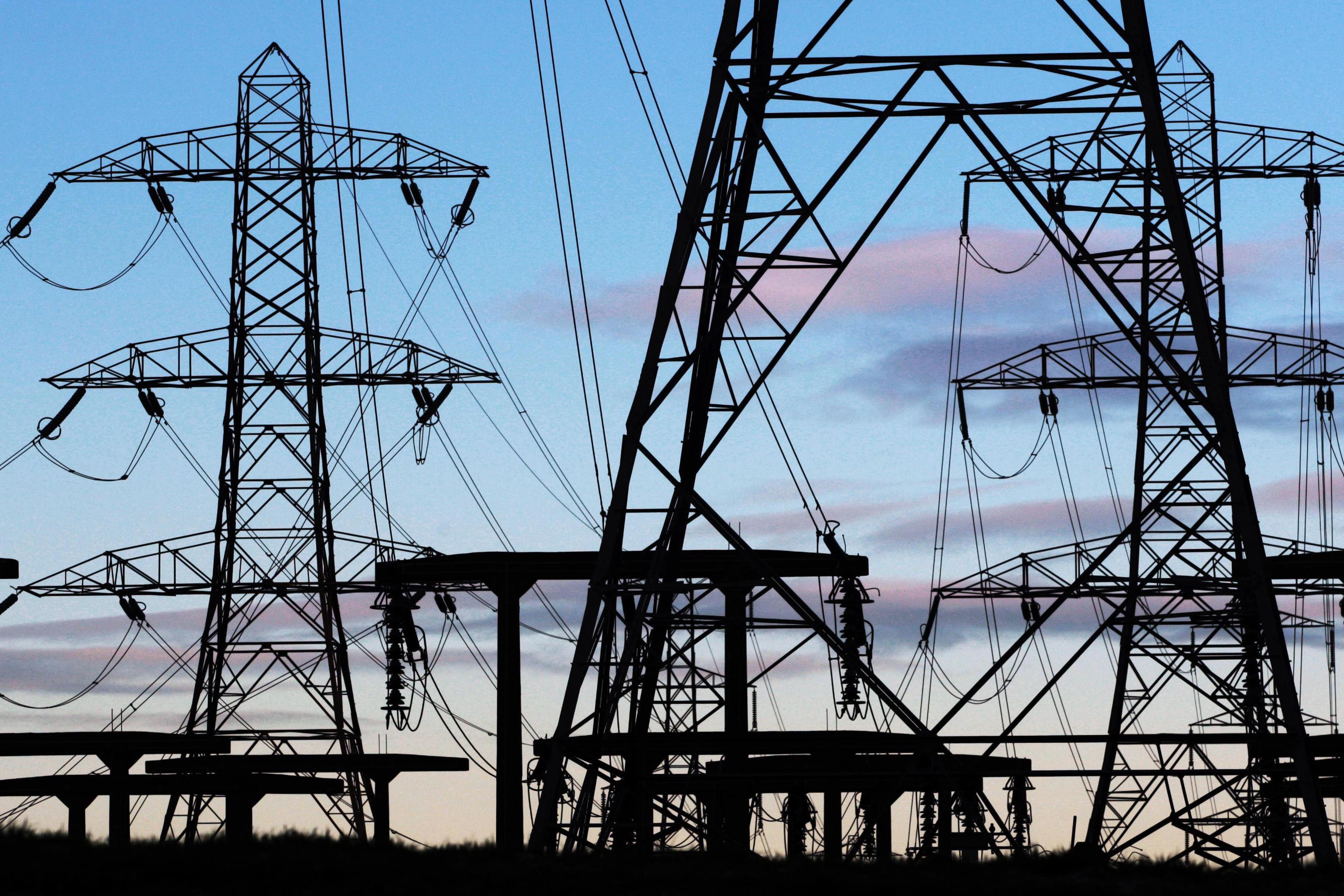 The massive drop in household energy costs expected in April could be short-lived, experts have warned (PA Archive)
PA Archive
The massive drop in household energy costs expected in April could be short-lived, experts have warned (PA Archive)
PA Archive
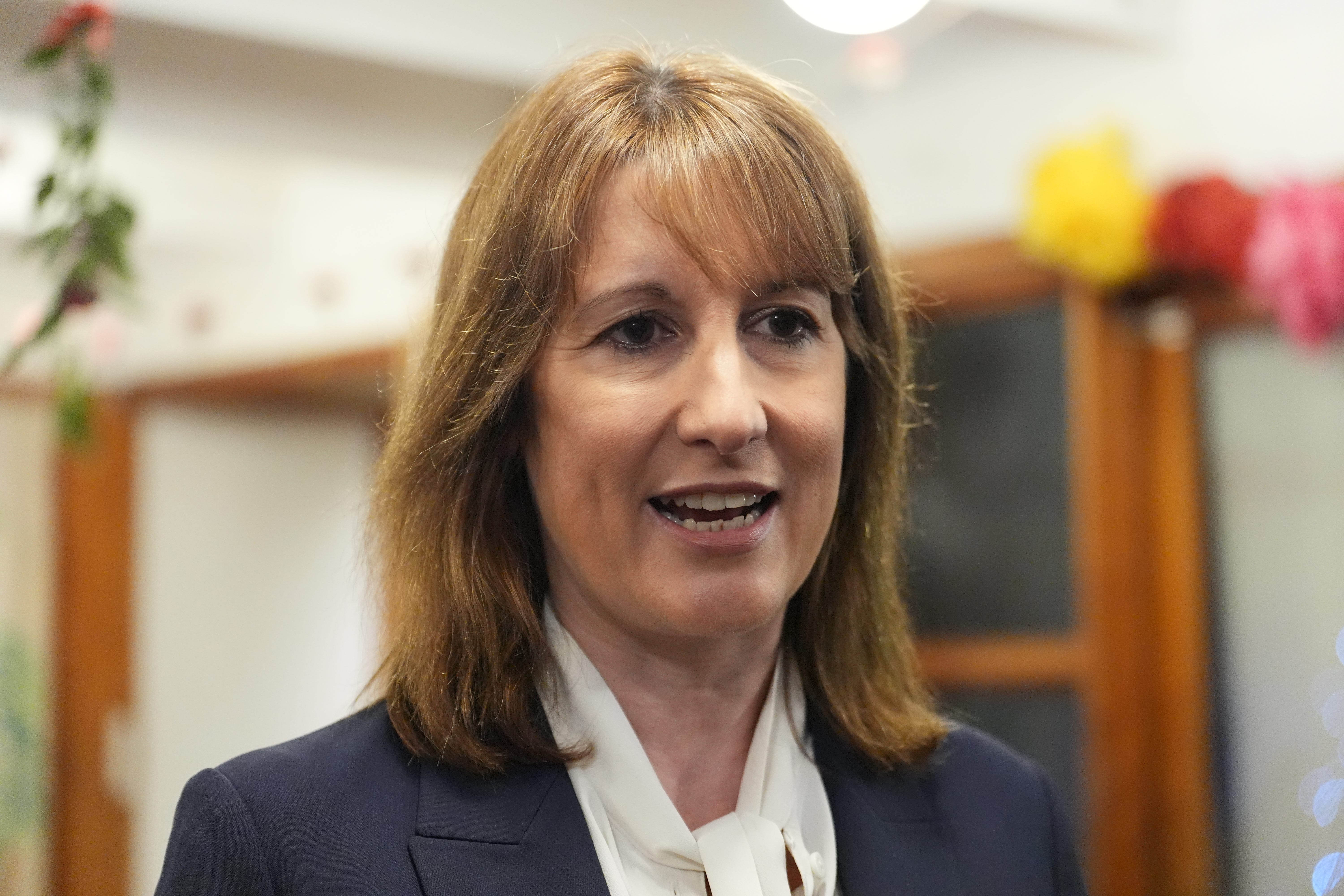 Rachel Reeves announced households will save an average of £150 on energy bills from April through the scrapping of an energy efficiency scheme (PA Media)
PA Media
Rachel Reeves announced households will save an average of £150 on energy bills from April through the scrapping of an energy efficiency scheme (PA Media)
PA Media
UK household energy bills are set to fall sharply this spring — and the bill is still coming, just via a different envelope.
The Independent reports Ofgem is expected to cut its energy price cap for April–June by about £120. The immediate driver is not a miraculous surge in cheap power, but a government decision to reduce bills by scrapping an energy efficiency programme — effectively moving costs off customer bills and into general policy space.
The Resolution Foundation, cited by the Independent, calls the change a boost to living standards and notes it is designed to be progressive: lowering electricity unit rates disproportionately helps lower-income households and supports electrification. That is the sales pitch.
The problem is the financing reality. Price caps and bill rebates do not repeal the economics of generation and networks; they reallocate who pays, when they pay, and how visible the payment is. If policy costs are shifted away from bills, they appear elsewhere — taxes, borrowing, or deferred investment.
And investment is the core issue. Electricity systems are capital-intensive, long-duration businesses. When governments repeatedly intervene — capping prices, changing levies, rewriting subsidy schemes — they raise political risk. Political risk raises the cost of capital. Higher capital costs mean fewer projects clear the hurdle rate, which means less capacity, slower grid upgrades, and ultimately higher prices or lower reliability.
The Resolution Foundation itself warns of a looming “cliff edge” in 2029 when the discount scheme ends, estimating that network investment and policy costs could erode much of today’s savings within three years and then add another jump when temporary support expires. The Department for Energy Security and Net Zero responds with the standard script: this is “just the start,” and the UK will escape volatile fossil fuels through “clean homegrown power.”
That promise is politically convenient because it implies a free lunch: swap fuels, cut bills, decarbonize, and everyone wins. But the transition requires massive grid reinforcement, storage, balancing capacity, and planning approvals — all in a country where energy infrastructure is routinely litigated, delayed, and politicized. If the state wants lower consumer prices while also mandating expensive system changes, it must either subsidize the difference openly or coerce private capital into accepting lower returns.
The most revealing detail is not that bills fall, but how. When regulators set caps and ministers reshuffle levies, consumers get short-term relief and producers get a message: your revenue model is a political variable. The long-term consequence is predictable. The market doesn’t stop charging for energy — it starts charging for government.