
Legionnaires’ disease lawsuit targets Las Vegas resorts
Case underscores how building water systems amplify Legionella via biofilms and aerosols, liability follows incubation-time uncertainty
Images
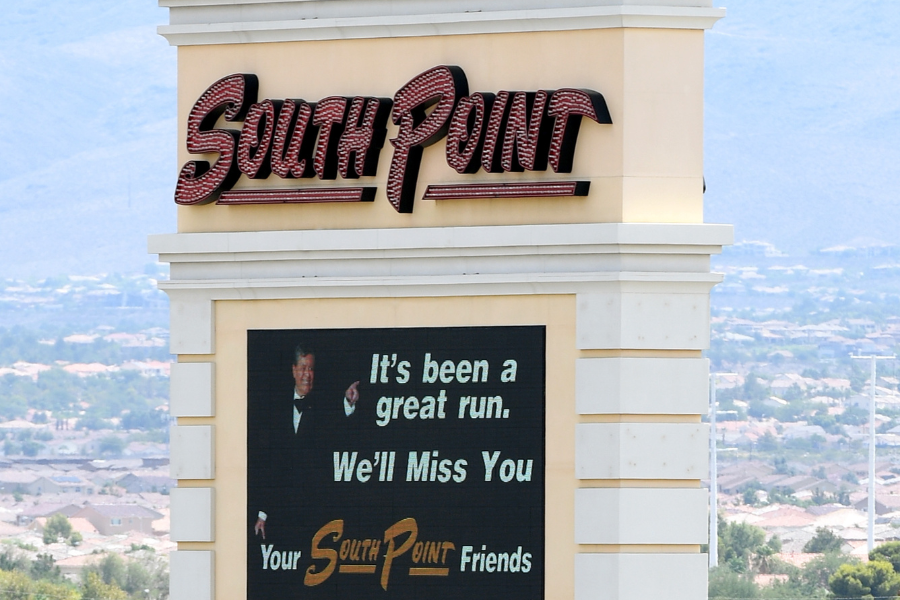 Court records reportedly say Alabama visitor Gary Curtis Jones stayed at Grandview and South Point during a March 2023 business trip and, despite a prior cancer diagnosis, was healthy enough to keep working (Getty Images)
Getty Images
Court records reportedly say Alabama visitor Gary Curtis Jones stayed at Grandview and South Point during a March 2023 business trip and, despite a prior cancer diagnosis, was healthy enough to keep working (Getty Images)
Getty Images
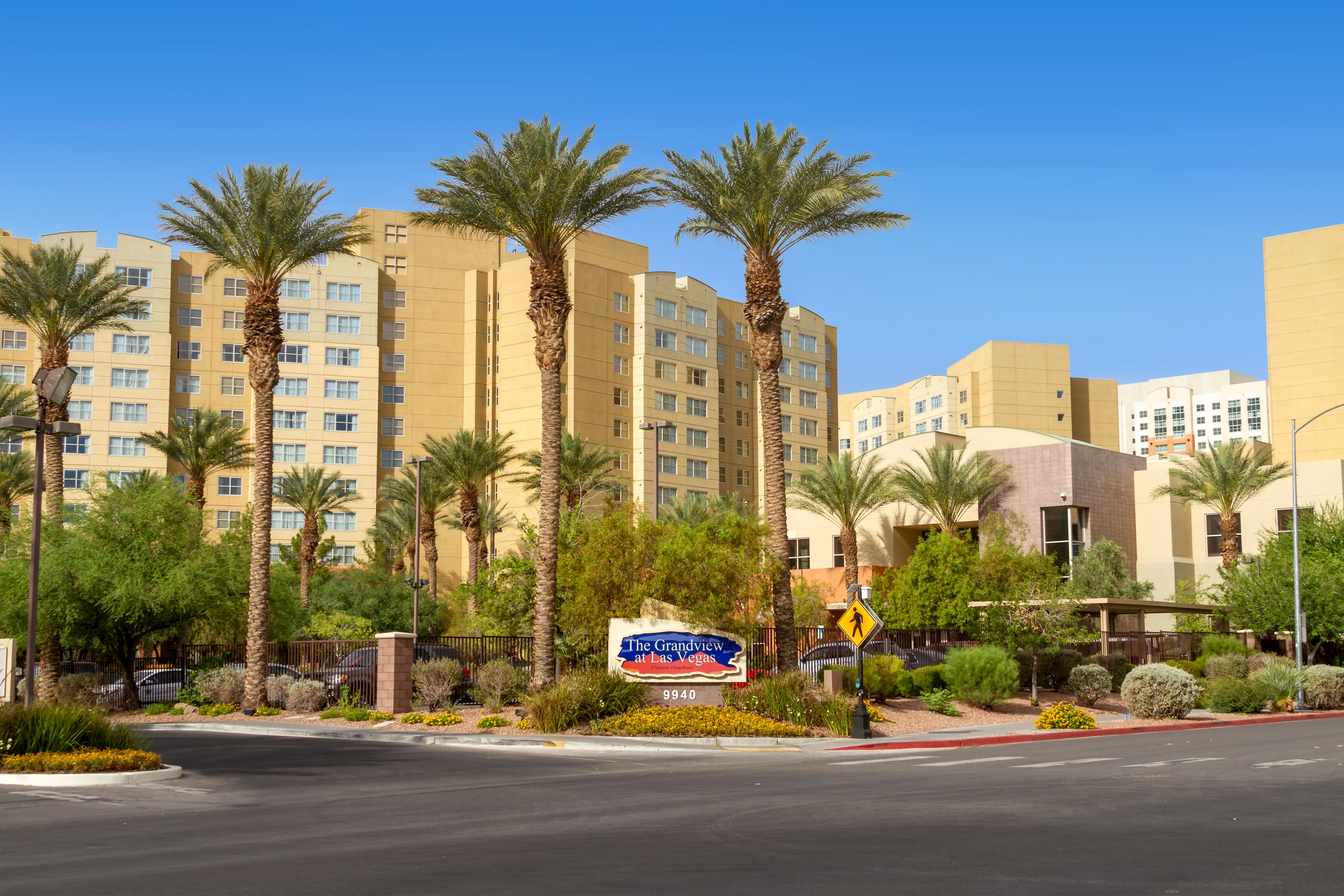 The lawsuit says Jones also stayed at The Grandview (Getty Images)
Getty Images
The lawsuit says Jones also stayed at The Grandview (Getty Images)
Getty Images
A wrongful-death lawsuit filed in Clark County District Court alleges that an Alabama man contracted Legionnaires’ disease during a March 2023 business trip to Las Vegas, after staying at two off-Strip casino resorts: The Grandview at Las Vegas and South Point, according to The Independent, citing the Las Vegas Review-Journal.
The estate of Gary Curtis Jones claims he was exposed to Legionella bacteria at one of the properties and later developed legionellosis, deteriorating rapidly into respiratory failure and severe sepsis. The complaint says he returned home with early symptoms such as lethargy and extreme fatigue, then worsened; doctors allegedly flushed “purulent, brown fluid” from his lungs. He died on April 2, 2023, the lawsuit states.
The epidemiological problem is baked into the pathogen. Legionnaires’ disease typically appears two to 14 days after exposure, a window wide enough to turn exposure attribution into a probabilistic argument rather than a neat chain of custody. The Grandview, the lawsuit says, denied Jones stayed there during the incubation period—an assertion the complaint claims was contradicted by verification from the Southern Nevada Health District (SNHD) via his employer’s booking records.
Meanwhile, the complaint alleges that SNHD investigations found Legionella present in South Point’s water systems after Jones’ stay and that the property “failed to meet the standard of care for Legionella control.” The filing also points to prior detections and water-system violations: alleged positive tests at The Grandview in June 2022 and May 2025, and “numerous violations” at South Point dating back to 2020.
Legionella is not a ‘dirty water’ organism in the simplistic sense; it is an engineering and maintenance adversary. It thrives in biofilms inside building plumbing, especially where water temperatures sit in the organism’s preferred growth range and where stagnation, scale, or low disinfectant residuals allow microbial communities to persist. Hotels and resorts are particularly exposed because they combine complex plumbing, variable occupancy (stagnant lines), and aerosol-generating fixtures—hot tubs, showers, decorative fountains, and sometimes cooling towers. Aerosolization is the key step: infection is typically via inhalation of contaminated droplets, not drinking.
That makes “negative tests” a weak shield if they are sparse, poorly located, or temporally distant from the exposure period. The lawsuit claims Grandview water tests between June 2022 and July 2023 were negative, yet also alleges historical positives. In real systems, point sampling can miss localized colonization; biofilms are patchy, and remediation can be temporary if underlying hydraulic and temperature conditions remain.
The case is a predictable collision between centralized public-health enforcement and private facilities whose incentives are to treat water safety as a compliance checkbox—until a death turns it into discovery, depositions, and damages. The science does not care about branding: if the control plan is weak, the building becomes a bioreactor; if the exposure window is long, blame becomes a courtroom model.
The Independent said it contacted South Point, Grandview, and SNHD for comment.