
Las Vegas-area substation ramming probed as possible terrorism
Boulder City incident targets LADWP equipment near Hoover Dam, Grid security remains low-tech and local
Images
 FBI investigates possible terrorist plot after driver tries to ram LADWP substation in Nevada
latimes.com
FBI investigates possible terrorist plot after driver tries to ram LADWP substation in Nevada
latimes.com
 The driver of the car was a 23-year-old from New York
independent.co.uk
The driver of the car was a 23-year-old from New York
independent.co.uk
 newsweek.com
 Donald Trump Reacts to Supreme Court’s Decision To Strike Down Tariffs
newsweek.com
Donald Trump Reacts to Supreme Court’s Decision To Strike Down Tariffs
newsweek.com
 Is Trump’s Tariff Era Over?
newsweek.com
Is Trump’s Tariff Era Over?
newsweek.com
 Uncommon Knowledge: Chinamaxxing a Century of Humiliation
newsweek.com
Uncommon Knowledge: Chinamaxxing a Century of Humiliation
newsweek.com
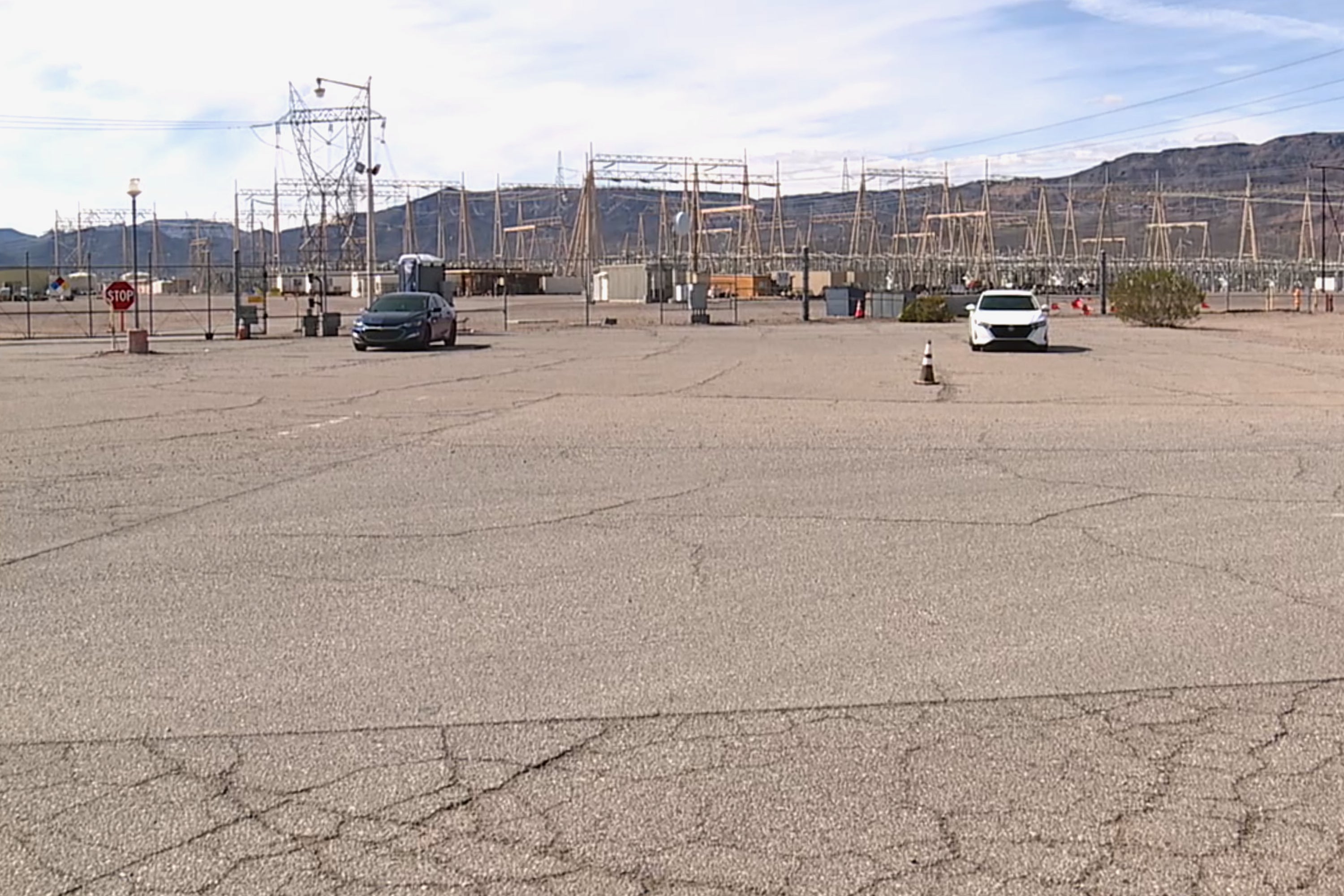
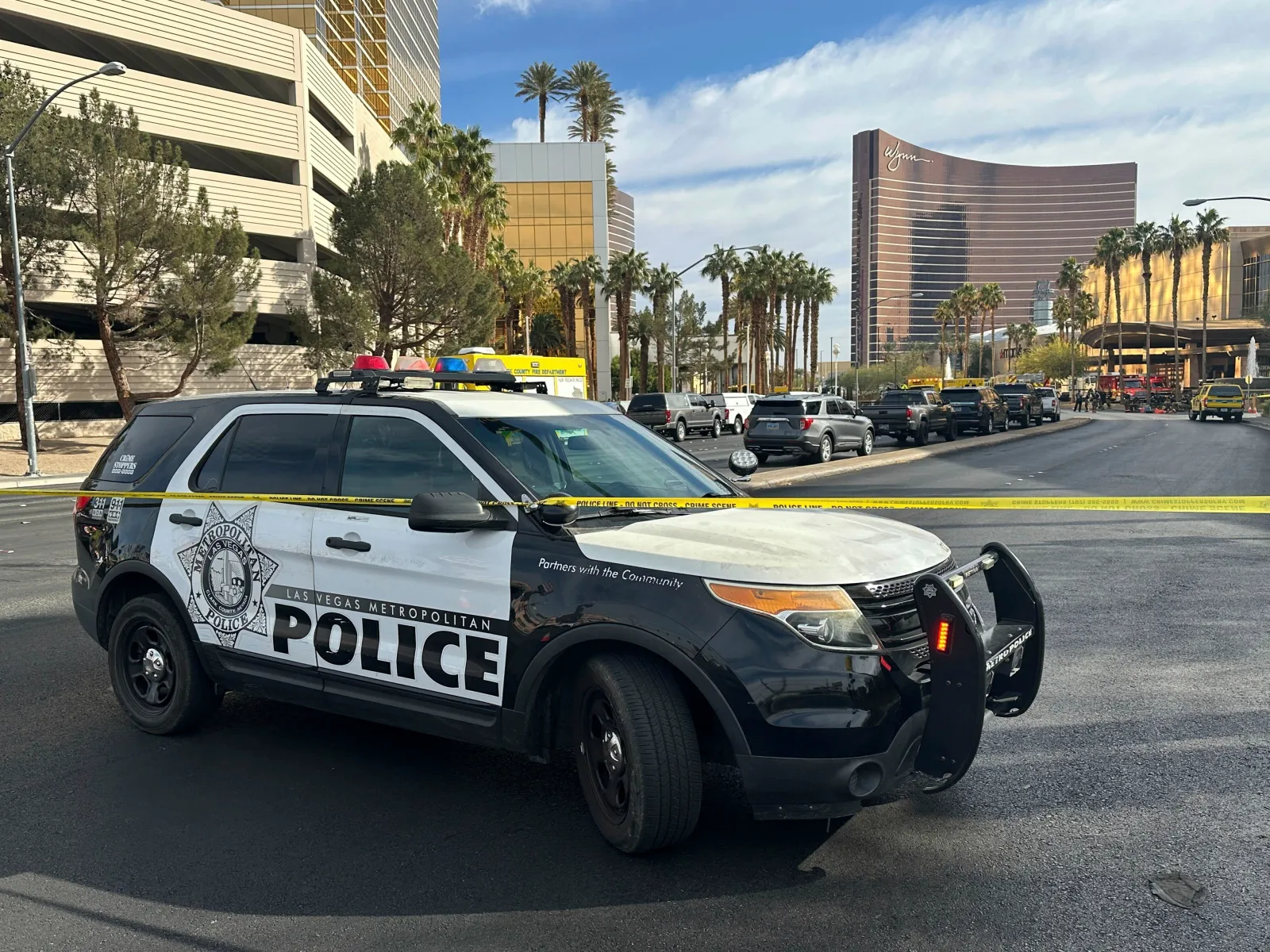
Police in the Las Vegas area are investigating a vehicle ramming into an electrical substation as a possible terrorism-related incident—an event that underlines how much “the cloud” still depends on fences, transformers, and a few easily reached choke points.
Newsweek reports that the Las Vegas Metropolitan Police Department is treating the crash in Boulder City, Nevada—about 25 miles southeast of Las Vegas—as potentially terrorism-related, while emphasizing there is no ongoing threat. Sheriff Kevin McMahill said the driver was a 23-year-old man from Albany, New York, previously reported missing, who was found dead at the scene. McMahill said the man had messaged family members beforehand, referencing self-harm and saying he intended to do something that would put him “on the news.” In a message to his mother, he referred to himself as a terrorist, police said.
Investigators later found explosive materials and several books “related to extremist ideologies” in the suspect’s hotel room, according to Newsweek, and said he was wearing soft body armor.
The Los Angeles Times reports the investigation is being handled as a possible terror attack. Authorities highlighted the sensitivity of the location: Boulder City is near Hoover Dam, a major piece of infrastructure for water and hydroelectric generation serving Nevada, Arizona, and California.
The damaged substation is owned by the Los Angeles Department of Water and Power, police said.
The point is banal but politically inconvenient: critical infrastructure often fails at the edges, not the core. Cybersecurity budgets, compliance checklists, and “zero trust” slogans do little if a determined person can physically reach high-value electrical equipment with a car and a few improvised materials.
Grid operators can and do build redundancy, but redundancy is not evenly distributed. Local substations can be single points of failure for neighborhoods, industrial parks, or data center clusters. Hardening them—bollards, standoff distance, intrusion detection, rapid isolation, spare transformers—costs money and, crucially, competes with rate politics and municipal procurement.
Incentives get ugly. Public utilities and regulated monopolies are rewarded for predictable operations and punished for visible spending, while the downside of rare, high-impact sabotage is socialized. When officials call it “critical infrastructure,” what they often mean is “someone else will pay when it breaks.”
For everyone else, reliability is not a moral attribute of the state; it’s an engineering and maintenance outcome. And engineering has a way of ignoring press conferences.