
Judge weighs return of Washington Post reporter devices seized in Pentagon leak probe
FBI grab includes laptops phone recorder smartwatch, source protection becomes evidence custody fight
Images
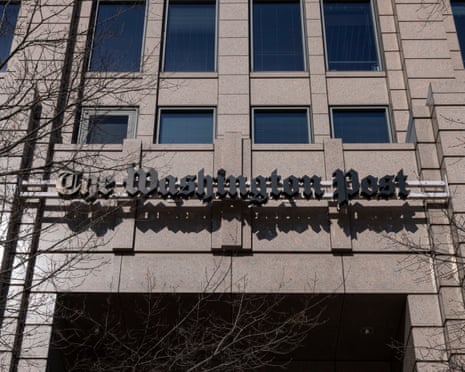 The Washington Post building sign is seen during a rally outside the newspaper's offices following sweeping layoffs. Photograph: Mehmet Eser/Sopa Images/Shutterstock
theguardian.com
The Washington Post building sign is seen during a rally outside the newspaper's offices following sweeping layoffs. Photograph: Mehmet Eser/Sopa Images/Shutterstock
theguardian.com
A federal judge is weighing whether the US government must return a Washington Post reporter’s devices seized in a leak investigation—a case that turns the newsroom’s basic tools into evidence lockers and quietly tests how much “press freedom” survives contact with national-security procedure.
According to The Independent, FBI agents searched Washington Post reporter Hannah Natanson’s home in Alexandria, Virginia on January 14 and seized a phone, two laptops, a recorder, a portable hard drive, and a Garmin smartwatch. The search was authorized by US Magistrate Judge William Porter as part of an investigation into alleged leaking by Pentagon contractor Aurelio Luis Perez-Lugones, arrested January 8 and charged with unauthorized removal and retention of classified documents.
Porter has already temporarily barred the government from reviewing the seized material while the court considers the Post’s demand for its return. At a Friday hearing, the Post’s attorney Simon Latcovich argued the seizure effectively “ran roughshod” over the First Amendment and—more concretely—over the paper’s ability to function. Natanson’s devices, he said, could expose “hundreds” of confidential sources, and since the seizure “those sources have dried up.” That’s not a theoretical chilling effect; it’s an operational shutdown.
The Justice Department’s position, per The Independent, is that it is entitled to keep the devices because they contain evidence relevant to an ongoing investigation with national-security implications. DOJ attorney Christian Dibblee said the government recognizes the judge did not authorize a “fishing expedition,” but insisted the material is still evidence.
Latcovich also asked for a procedural safeguard with big implications: if the judge intends to privately review the devices to decide what the government may see, the Post wants its lawyers and the reporter to see the material first so they can argue for shielding sensitive portions.
The case has drawn scrutiny from press-freedom advocates who see it as part of a more aggressive posture toward leak investigations involving journalists. It also spotlights a structural asymmetry: the state can seize a journalist’s entire digital life in one warrant, while “minimization” and “filters” are treated as sufficient remedies after the fact. The government doesn’t need to prosecute a reporter to pressure reporting; it can simply confiscate the reporting infrastructure.
Porter said he intends to issue a decision before a follow-up hearing scheduled for March 4.
For newsrooms, the point is blunt: source protection is no longer just an ethics policy or encrypted messaging choice—it’s a hardware custody problem. When the state decides journalism is adjacent to a crime scene, your devices become the crime scene.