
Austrian Alps snowstorm knocks out power to 30
000 homes, avalanches kill three, resilience plans meet real winter
Images
 Österreich: 30.000 Haushalte ohne Strom – mehrere Tote durch Lawinen
spiegel.de
Österreich: 30.000 Haushalte ohne Strom – mehrere Tote durch Lawinen
spiegel.de
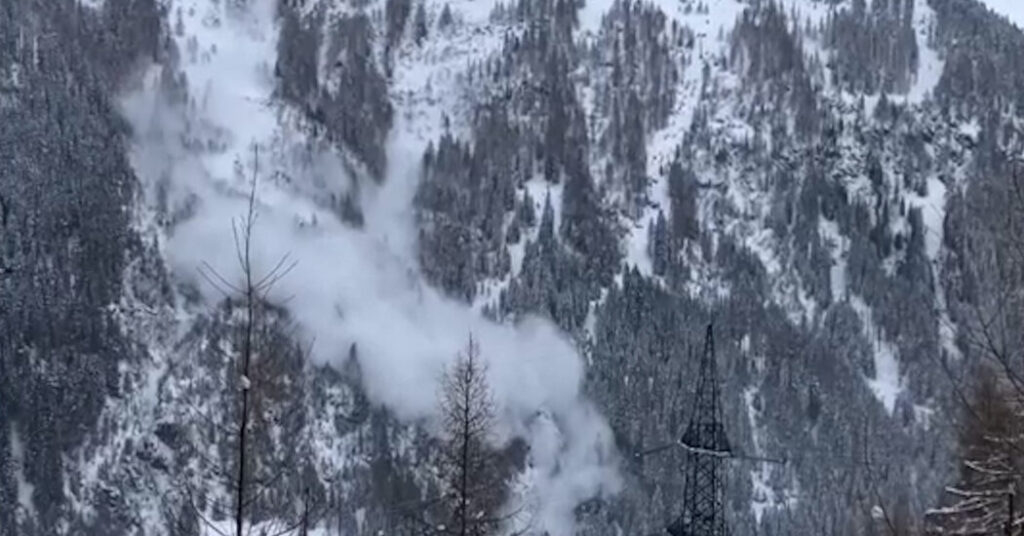 3 People Are Killed in Series of Avalanches in Austrian Alps
dnyuz.com
3 People Are Killed in Series of Avalanches in Austrian Alps
dnyuz.com
Heavy snowfall and avalanche danger across the Austrian Alps has exposed a European weakness: critical infrastructure and public emergency systems that work flawlessly in PowerPoint and then fail on contact with actual winter.
In Austria, around 30,000 households lost electricity after snow and wind damaged lines and equipment, according to Der Spiegel, which cited local authorities and grid operators. The outages hit multiple regions as crews struggled with blocked roads, downed trees and difficult access to mountain terrain.
At the same time, avalanches killed three people in a series of incidents, the New York Times reports, as unstable snowpack—driven by fresh snow and wind loading—triggered slides in backcountry areas. Rescue operations in avalanche terrain are inherently dangerous, time-critical and resource-intensive; the margin between “sport” and fatality can be minutes, and the bill is usually paid by taxpayers and volunteer rescue organizations.
The two events are linked by more than geography. When a region’s electricity, transport and rescue capacity are stressed simultaneously, the real constraint is not weather but incentives and ownership. Power networks are often regulated monopolies: profits are private-ish, reliability is a political promise, and the downside is socialized when storms hit. In mountain communities, the state expects people to stay put and follow instructions—yet it is rarely the state that has pre-positioned generators, stocked supplies, or built redundancy for the last mile. Those costs are “inefficient” until they aren’t.
Austria is hardly unique. Across Europe, governments talk about resilience while layering compliance costs onto energy and construction—then discover that the remaining capital budget doesn’t stretch to hardening lines, adding redundancy, or maintaining rapid-repair capability in remote terrain. The result is a predictable ritual: outages, emergency declarations, press conferences, and post-mortems that conclude more coordination is needed.
Winter is not a policy variable. It is a recurring stress test. And the Alps keep grading Europe’s infrastructure the same way: on whether it can be fixed quickly by people with chainsaws, spare parts, and permission to act—rather than by committees with a communications strategy.