
White House pressures Colombia
Venezuela over Serbian trafficker Antun Mrdeza, Extradition logistics turn sovereignty into a bargaining chip
Images
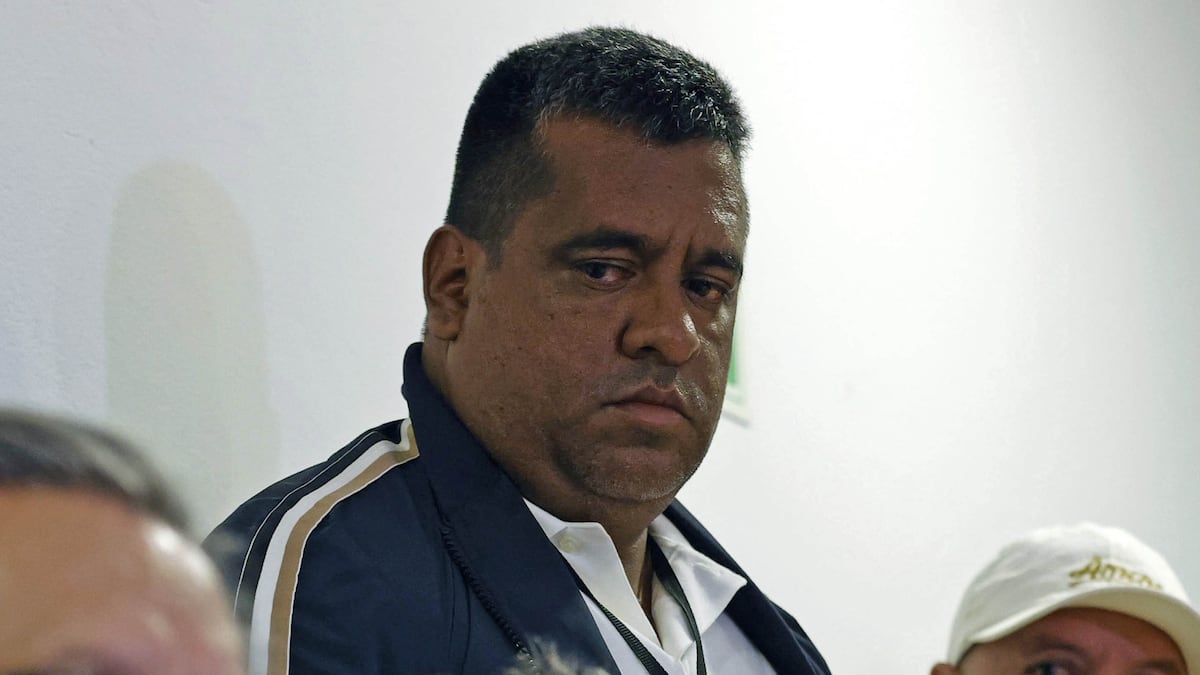 White House steps up pressure on Colombia over Serbian drug lord Antun Mrdeza
english.elpais.com
White House steps up pressure on Colombia over Serbian drug lord Antun Mrdeza
english.elpais.com
A US intelligence report about a meeting in Colombia’s Amazon borderlands has become the latest lever in Washington’s long-running habit of outsourcing criminal justice through “partner” pressure.
According to El País, the White House is pressing Colombia and Venezuela over Antun Mrdeza, a Serbian trafficker also known as “Nikola Boros,” who has been held in Venezuela since 2025. The report claims Mrdeza struck drug-trafficking deals with Giovanny Andrés Rojas (“Araña”), leader of the Border Commandos and currently imprisoned in Bogotá’s La Picota. The US wants both men handed over.
The mechanics are telling. A Colombian government source told El País that Bogotá is considering acting as a “mediator and guarantor”: Colombia would request Mrdeza’s transfer from Venezuela, bring him back onto Colombian soil, and then allow the United States to request extradition. The reason is not legal elegance but political volatility—officials reportedly worry that asking Caracas directly could backfire if relations sour again.
Mrdeza’s backstory shows how state security systems can fail upward. Colombian authorities say he escaped in May 2023 from Rionegro airport near Medellín after asking guards for permission to buy water, then fleeing in an Audi toward Cali. El País reports that US DEA intelligence tracked his subsequent movements, including meetings in Putumayo—on the Ecuador border—where he allegedly allied with “Araña.” From there, the Serbian trafficker reportedly went to Guayaquil, survived an attack, and later took refuge in Venezuela, where he was captured on May 22, 2025.
The US framing is that this is about transnational cocaine logistics. Colombian authorities consider Mrdeza part of a “New Drug Trafficking Board,” a network linking Latin American and European kingpins. El País notes he has open cases in seven countries and is allegedly connected to Spain’s most wanted trafficker, Alejandro Salgado Vega (“El Tigre”), believed to be hiding in Dubai.
But the deeper story is sovereignty by conditionality. When Washington’s intelligence products, Interpol alerts, and extradition demands become the operating system for Colombia’s security priorities, domestic accountability gets displaced by external expectations. Agencies learn that pleasing the US matters more than building a credible rule-of-law pipeline at home.
This approach often strengthens exactly the incentives it claims to fight: it encourages local actors to treat arrests, transfers, and extraditions as bargaining chips—useful for diplomacy, funding, or political cover—rather than as the predictable outcome of transparent policing.
El País reports that the looming Petro–Delcy Rodríguez meeting will be shaped by Mrdeza’s transfer logistics. In Latin America, even “law enforcement” can end up as a three-country negotiation—where arrests and transfers become bargaining chips.