
Trump pivots to new tariff statutes after IEEPA loss
Section 122 global 10% plus 232 and 301 threats, Executive branch plays whack-a-mole with Congress
Images
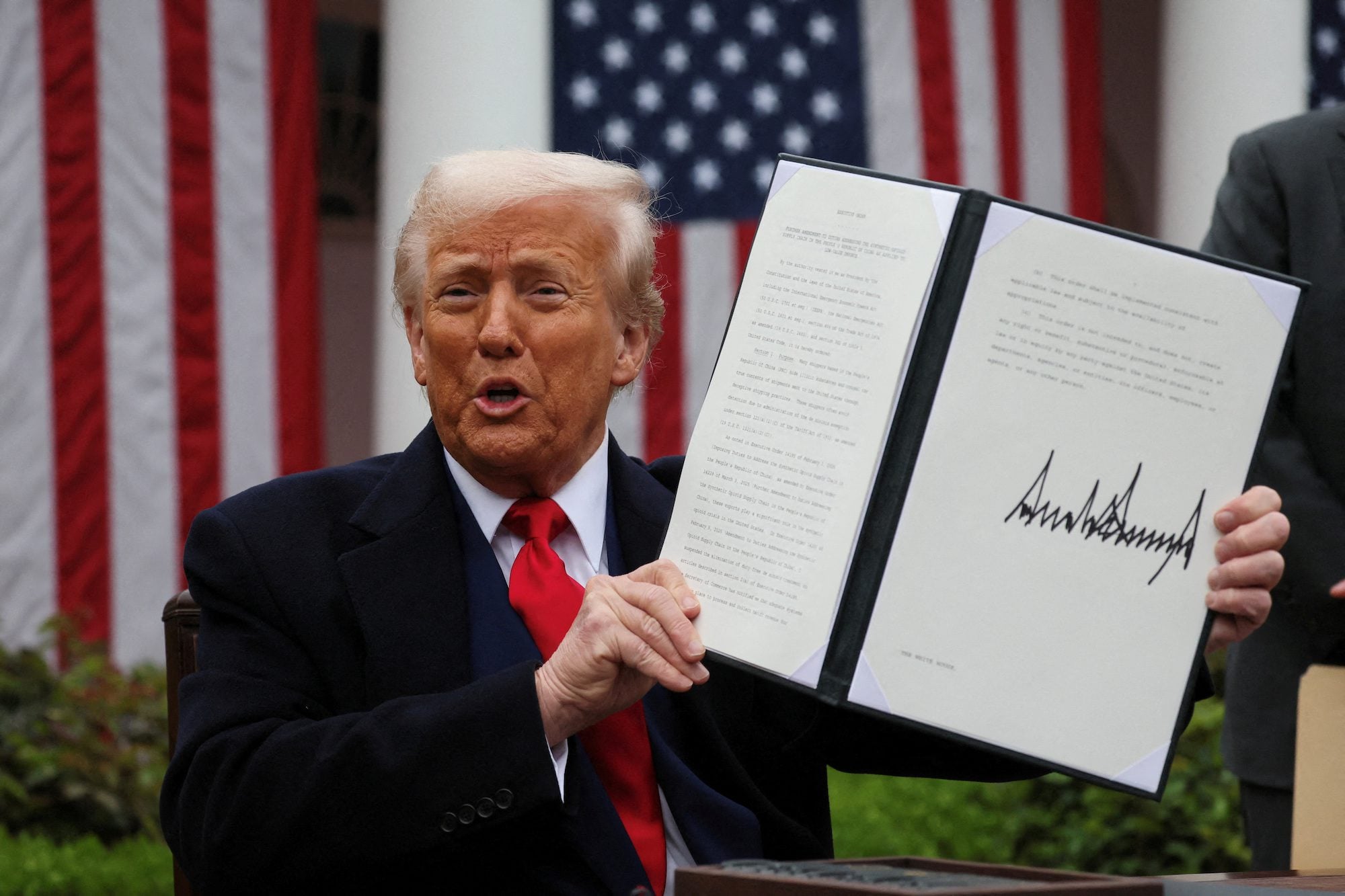 Trump Slaps 10% Global Tariff Using New Trade Law After Supreme Court Defeat
gcaptain.com
Trump Slaps 10% Global Tariff Using New Trade Law After Supreme Court Defeat
gcaptain.com
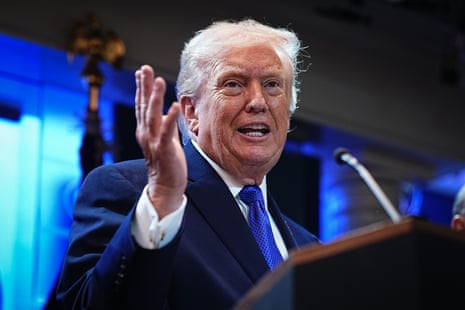 Donald Trump answers questions during a press briefing held at the White House on 20 February 2026 in Washington DC. Photograph: Aaron Schwartz/Getty Images
theguardian.com
Donald Trump answers questions during a press briefing held at the White House on 20 February 2026 in Washington DC. Photograph: Aaron Schwartz/Getty Images
theguardian.com
Hours after the Supreme Court struck down Donald Trump’s sweeping IEEPA-based tariffs, the White House signaled it would keep taxing imports anyway—just under different legal hooks. The Guardian reports Trump denouncing the justices who formed the majority as a “disgrace to the nation,” while praising the dissent by Brett Kavanaugh, Clarence Thomas, and Samuel Alito. Two of Trump’s own appointees, Amy Coney Barrett and Neil Gorsuch, drew his ire—showing how quickly “originalism” becomes “disloyalty” when it interferes with revenue.
Substance matters more than the insults. According to Reuters, Trump moved to impose a 10% global tariff using a different statutory authority after the IEEPA defeat. The Guardian specifies the mechanism: Section 122 of the Trade Act of 1974, a rarely used provision that allows temporary import surcharges to address balance-of-payments problems. Trump also said the administration would initiate investigations into “unfair trade practices” to justify additional duties.
The New York Times lays out the broader menu of statutes available to an administration determined to treat trade as an executive cash register. Section 232 of the Trade Expansion Act of 1962 permits tariffs on national-security grounds after a Commerce Department investigation; Section 301 of the Trade Act of 1974 authorizes retaliation against foreign trade practices after a USTR process. Each pathway has its own procedural steps—investigations, findings, comment periods, and sometimes time limits—but crucially, none requires Congress to vote on the specific tariff rate.
When one legal theory is invalidated, the policy goal survives by relabeling. IEEPA framed tariffs as an “emergency.” Section 232 frames them as “national security.” Section 301 frames them as “unfairness.” Section 122 frames them as “temporary stabilization.” The common denominator is the same—an executive branch that prefers taxation without legislation.
The next court fights will therefore turn less on whether tariffs are good policy than on whether the statutory prerequisites were actually met. Section 232 cases can hinge on whether “national security” has been stretched into an industrial policy slogan; Section 301 can be attacked on administrative-law grounds if process is rushed or findings are thin. Section 122’s limits—scope, duration, and required economic conditions—invite challenges if used as a permanent global tariff platform.
For importers and consumers, the implication is grimly predictable: even after a Supreme Court loss, the tax can reappear under a different acronym, with new compliance dates and new litigation calendars. In Washington, tariffs are not a policy so much as a reusable executive instrument. Congress remains on the sidelines—except when it wants to take credit for “getting tough” after the fact.