
Iran arrests 50
000 after protests, Euronews cites torture confessions and online mass death sentences, asset seizures turn dissent into revenue stream
Images
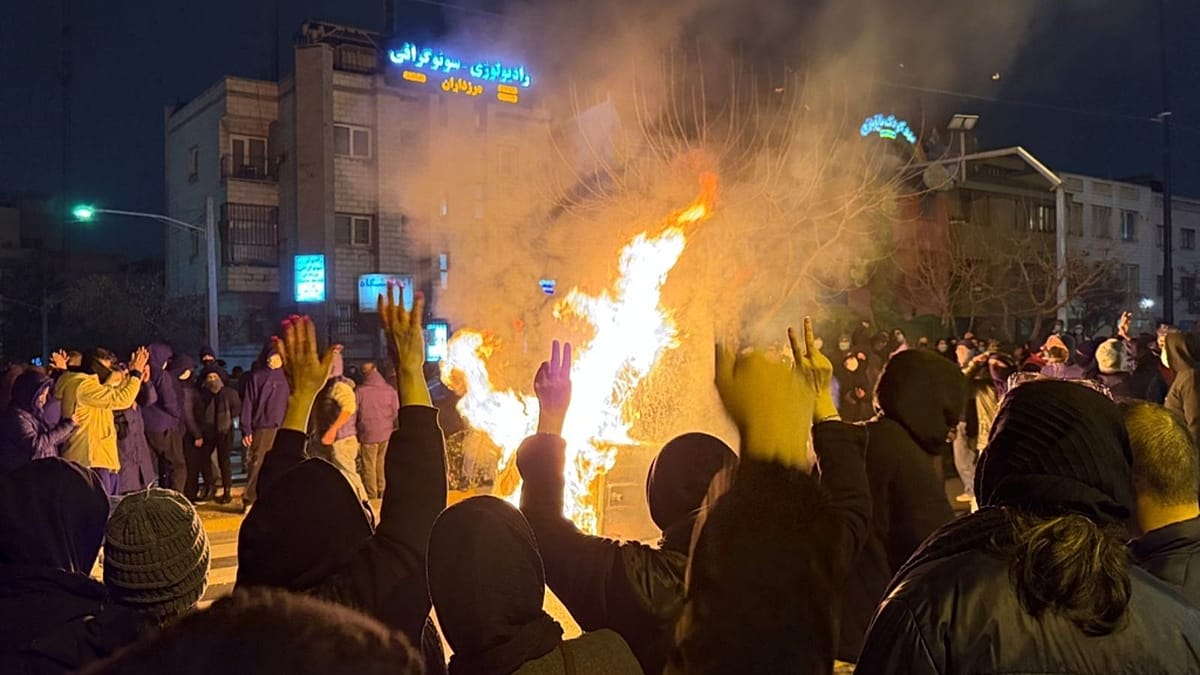 Tehran accused of mass arrests, torture and executions after protests
euronews.com
Tehran accused of mass arrests, torture and executions after protests
euronews.com
Iran’s post-protest crackdown is being described in numbers—50,000 arrests, thousands killed, dozens executed—but the more revealing story is logistical: how a modern state scales coercion when it decides dissent is a throughput problem.
Euronews reports that human rights organisations say Iranian security forces have arrested at least 50,000 people nationwide in the month since protests erupted in late December over economic hardship and escalated into broader anti-government demonstrations. Tehran’s own official death toll is “just over 3,000” for the 8–9 January crackdown, while rights groups, citing hospital data, medical sources and family testimony, estimate deaths as high as 30,000 to 43,000.
The state’s operational toolkit looks less like ad hoc brutality and more like industrial process. Euronews cites Iran Human Rights (IHRNGO), a Norway-based group, saying at least 26 protesters have received death sentences in the past month, often based on confessions extracted under torture and without due process. Another rights group is cited as saying more than 30 people were executed in a single week.
The system runs on speed. Euronews describes “online court hearings” delivering mass death sentences—14 in one proceeding—suggesting a judicial pipeline optimized for signaling rather than adjudication. HRANA, another rights group, is quoted as documenting 337 cases of forced confessions aired by state media and more than 11,000 summonses to security agencies. The message is not subtle: the state will not merely arrest you; it will script your repentance for broadcast.
The crackdown also extends beyond bodies to balance sheets. Euronews says Iran’s judiciary has begun confiscating assets of people accused of supporting protests, with prosecutors in provinces such as Khorasan Razavi threatening seizure against prominent individuals and business owners alleged to have encouraged unrest. One example cited is Mohammad Saedinia, owner of a food group and café chain with more than 500 outlets in Iran and 30 countries, who was arrested after supporting protests and bazaar strikes; Euronews reports his assets were confiscated even after release.
Even bail becomes a political instrument. HRANA, according to Euronews, says families of detainees were required to attend regime anniversary marches and provide photos and videos as a condition for bail—an eerie fusion of hostage-taking and loyalty audit.
For a regime facing economic crisis, repression is not only punishment; it is resource extraction and narrative control. When the state can seize property, compel public participation, and turn courts into livestreamed verdict factories, politics becomes a supply chain—one that runs on fear, not consent.