
Hormuz risk sends oil tanker rates higher
Bloomberg tracks war-risk premiums and charter markets, free trade priced like state-induced toll
Images
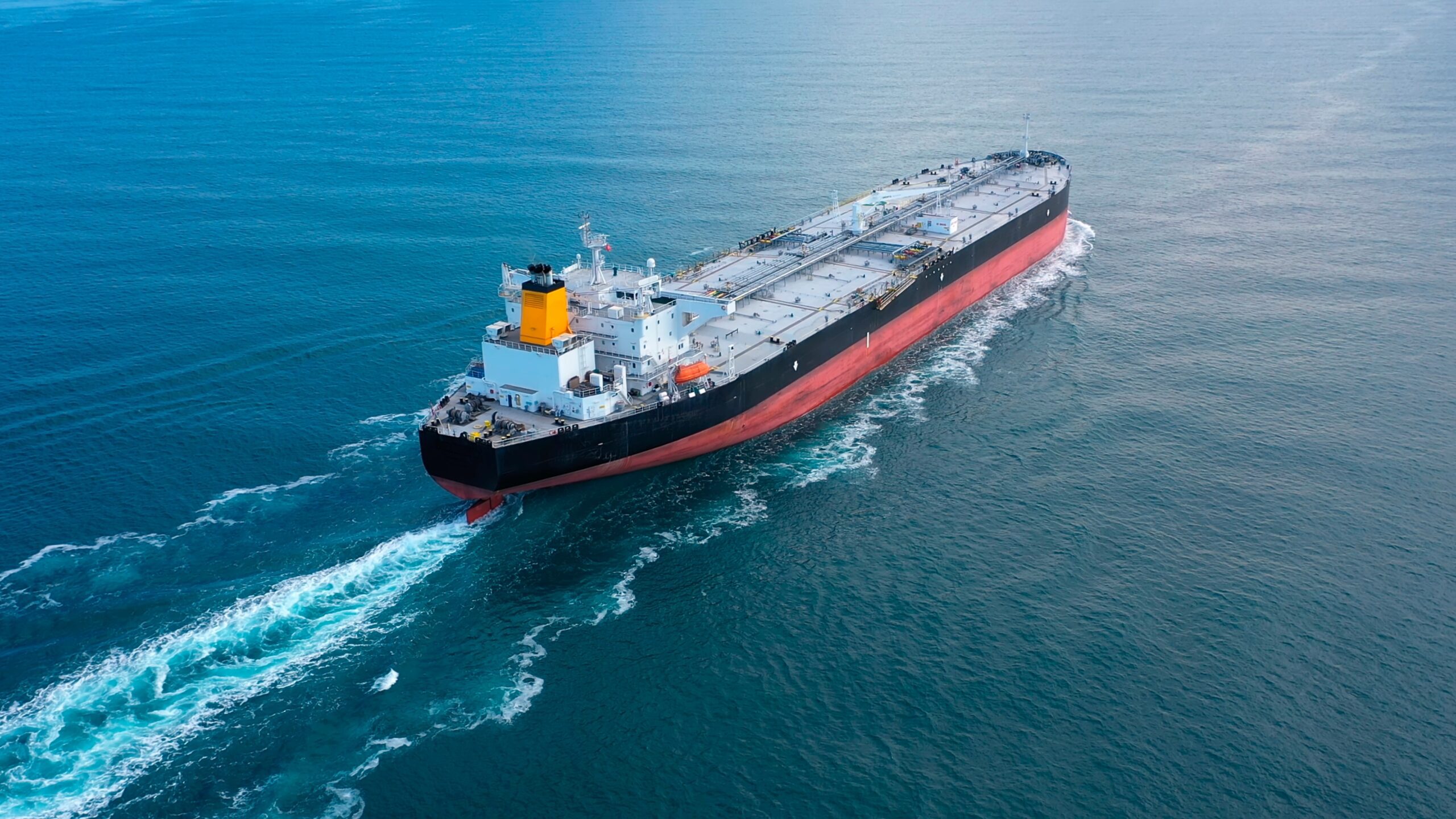 Surging Oil Tanker Rates Tipped to Go Even Higher on Iran Risk
gcaptain.com
Surging Oil Tanker Rates Tipped to Go Even Higher on Iran Risk
gcaptain.com
Oil tanker freight markets are repricing the Strait of Hormuz as if it were a privately owned toll gate—except the “toll” is collected by insurers, shipowners and commodity traders after governments crank up the risk.
According to Bloomberg, via maritime outlet gCaptain, spot and time-charter rates for crude carriers are surging again on heightened Iran-related security concerns. The immediate mechanism is brutally simple: when traders and ship operators start to believe that transiting Hormuz could mean delays, harassment, boarding, or outright attacks, they demand higher day-rates to compensate for longer voyages and higher probability-adjusted loss.
The second-order mechanism is even more lucrative: war-risk insurance. Hull and machinery coverage, P&I (protection and indemnity), and cargo insurance are layered with war-risk clauses that can be repriced overnight. Underwriters can impose additional premiums per voyage, exclude certain waters, or require prior notice—turning “free navigation” into a paperwork-and-premium regime that functions like a tax on distance and geopolitics.
The market then amplifies the shock. Higher freight rates widen delivered crude prices, change refinery economics, and incentivize longer routes (or floating storage), which further tightens vessel availability. Time-charter rates rise as charterers try to lock in capacity before the next escalation. The end customer—drivers, households, and any industry that touches petrochemicals—pays for the state’s strategic theatrics via higher transport and insurance costs embedded in everything.
What’s notable is how reliably this pattern repeats. Governments posture about “deterrence” and “security,” while the private sector builds a parallel pricing system that treats state action as a volatility generator. The result is a de facto protection racket: the more unpredictable the political environment, the more valuable ships, capital, and insurance balance sheets become.
Hormuz is the perfect case study in how state power socializes risk and privatizes the upside. The public pays for military deployments and diplomatic escalation; the shipping and insurance complex invoices the world for the consequences. If this is what “rules-based order” looks like in maritime trade, it’s remarkably similar to a cartel—just with flags.
The Bloomberg report does not claim supply has been cut; it shows something more modern: prices move because expectations of state violence move. And expectations, unlike barrels, are infinitely tradable.