
Johnson
Truss lobby Trump to block Starmer Chagos deal, Ex-leaders act as parallel foreign office, Diego Garcia basing politics turns democracy into backchannel sport
Images
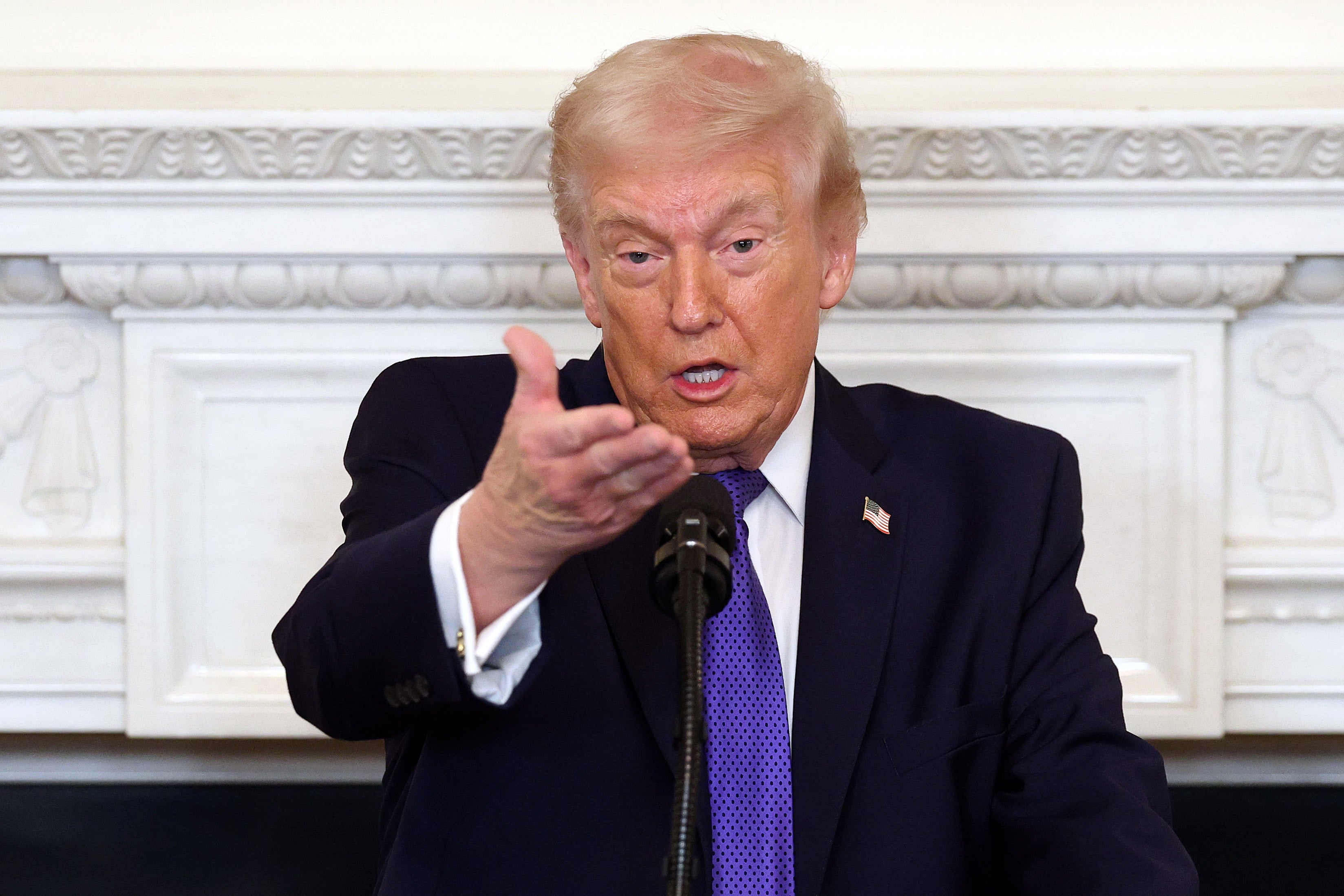 Donald Trump’s position on the Chagos Islands deal has been volatile (Getty)
Getty
Donald Trump’s position on the Chagos Islands deal has been volatile (Getty)
Getty
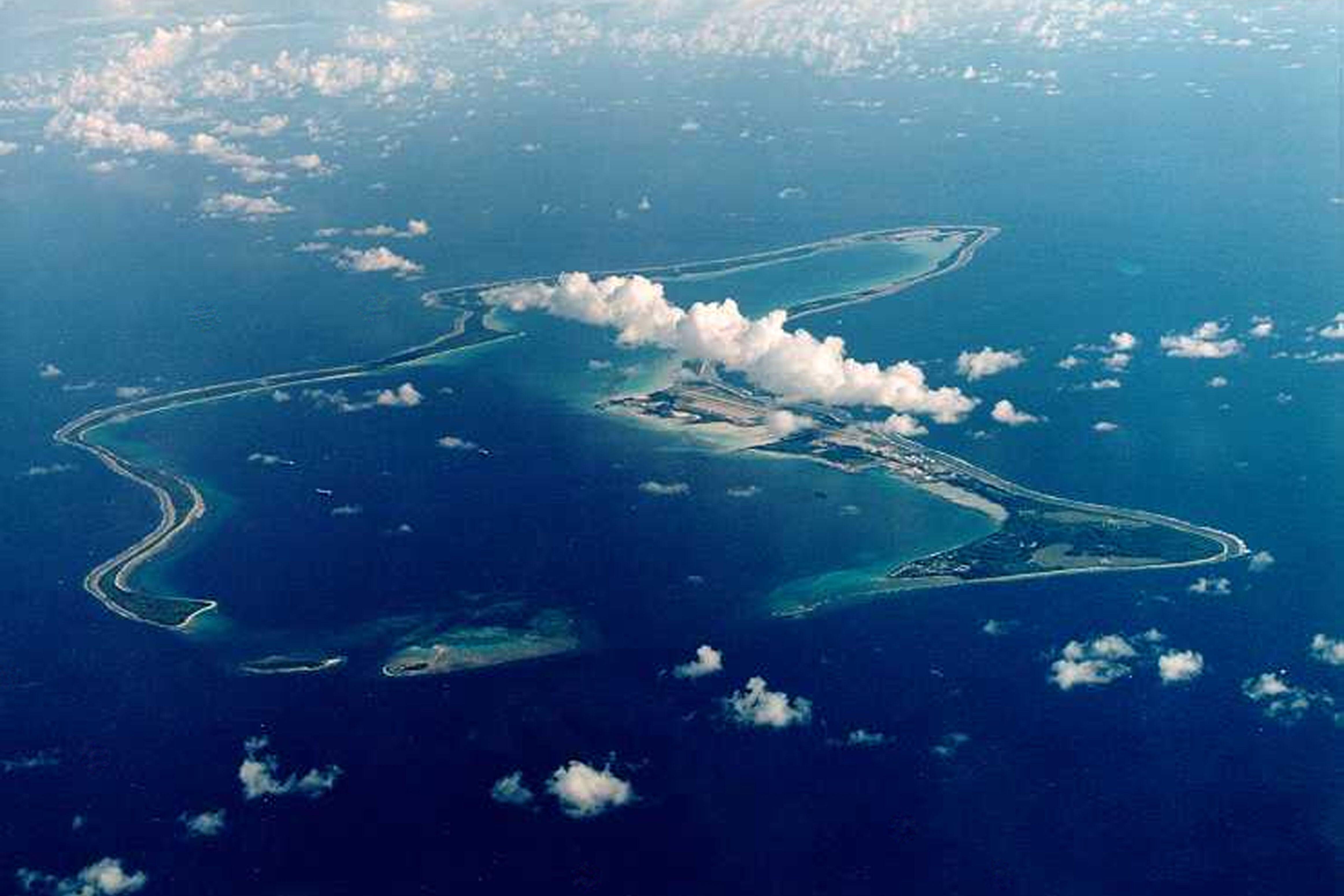 The Chagos Islands is home to a joint UK-US military base (CPA Media)
CPA Media
The Chagos Islands is home to a joint UK-US military base (CPA Media)
CPA Media
Two former UK prime ministers are reportedly running a shadow foreign policy—by lobbying an American president to veto their own country’s plan.
Boris Johnson and Liz Truss have both raised concerns with Donald Trump about the UK government’s proposed deal to transfer sovereignty of the Chagos Islands to Mauritius while leasing back the Diego Garcia base, The Independent reports. Johnson has discussed the issue with Trump “a number of occasions,” according to a Conservative source cited by Politico and relayed by The Independent. Truss, the report adds, raised the Chagos deal when she met Trump at Mar-a-Lago last weekend, allegedly armed with a briefing note arguing against the agreement.
The immediate target is Labour Prime Minister Keir Starmer’s government and its attempt to resolve a long-running dispute over the Indian Ocean archipelago. The strategic core is Diego Garcia, home to a joint UK-US military base. Trump has now urged Starmer not to “give away Diego Garcia,” calling the arrangement a “big mistake,” despite Washington having signaled official backing for the deal earlier in the week, according to The Independent.
What makes the story revealing is not the merits of the Chagos settlement—messy colonial history plus modern basing needs—but the method. In a parliamentary democracy, foreign policy is supposedly made by elected ministers accountable to Parliament. In practice, ex-leaders with donor networks, security contacts, and access to foreign heads of state can attempt to override the sitting government by recruiting a superpower patron.
This is how “rules-based” democracies often operate: not as clean institutional pipelines, but as overlapping informal networks. The electorate can replace a government; it is far harder to vote out the alumni association.
The reported lobbying also intersects with Trump’s transactional view of basing. The Independent notes that his renewed skepticism may have been influenced by Britain’s refusal to allow the White House to use Diego Garcia—or RAF Fairford in Gloucestershire—for a potential military campaign against Iran, with concerns about international law and UK consent requirements. The base is both a strategic asset and a bargaining chip, and the US president’s position can swing with operational convenience.
Military infrastructure creates a permanent constituency: once a base exists, it becomes the justification for alliances, secrecy, and executive discretion. And once the state has such assets, political actors—current and former—treat them as pieces on a board, to be traded via private channels.
If Johnson and Truss did lobby Trump to block Starmer, “democratic control” of foreign policy is often a ceremonial overlay. The real system runs on access: who can get a meeting, who can whisper in the right ear, and who can turn a foreign leader into a domestic veto machine.