
Trump floats limited strike on Iran as nuclear draft deal lingers
Military buildup used as negotiating chip, Markets pay risk premium before Congress votes
Images
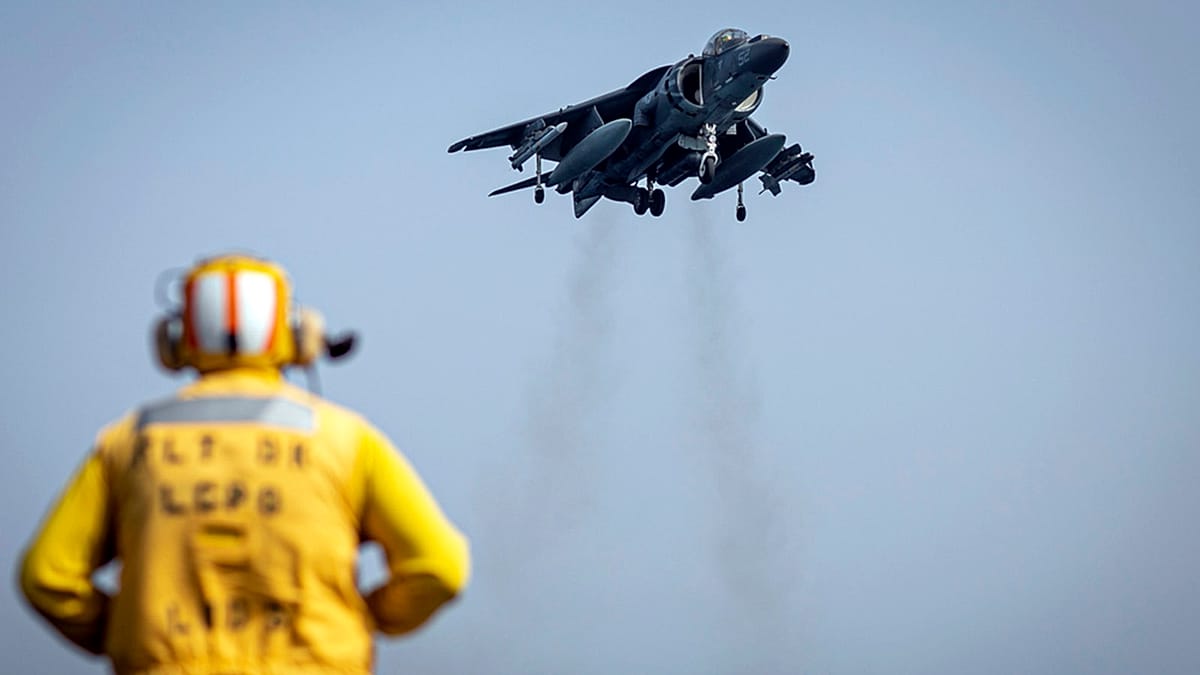 Trump weighs limited strike on Iran as draft deal remains in the works
euronews.com
Trump weighs limited strike on Iran as draft deal remains in the works
euronews.com
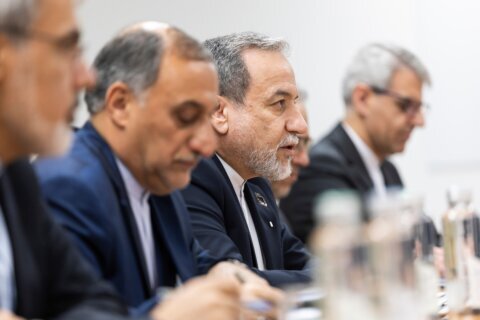 Trump warns he’s considering limited strikes as Iranian diplomat says proposed deal is imminent
wtop.com
Trump warns he’s considering limited strikes as Iranian diplomat says proposed deal is imminent
wtop.com
 Iran says US military build-up ‘unnecessary and unhelpful’, deal achievable
aljazeera.com
Iran says US military build-up ‘unnecessary and unhelpful’, deal achievable
aljazeera.com
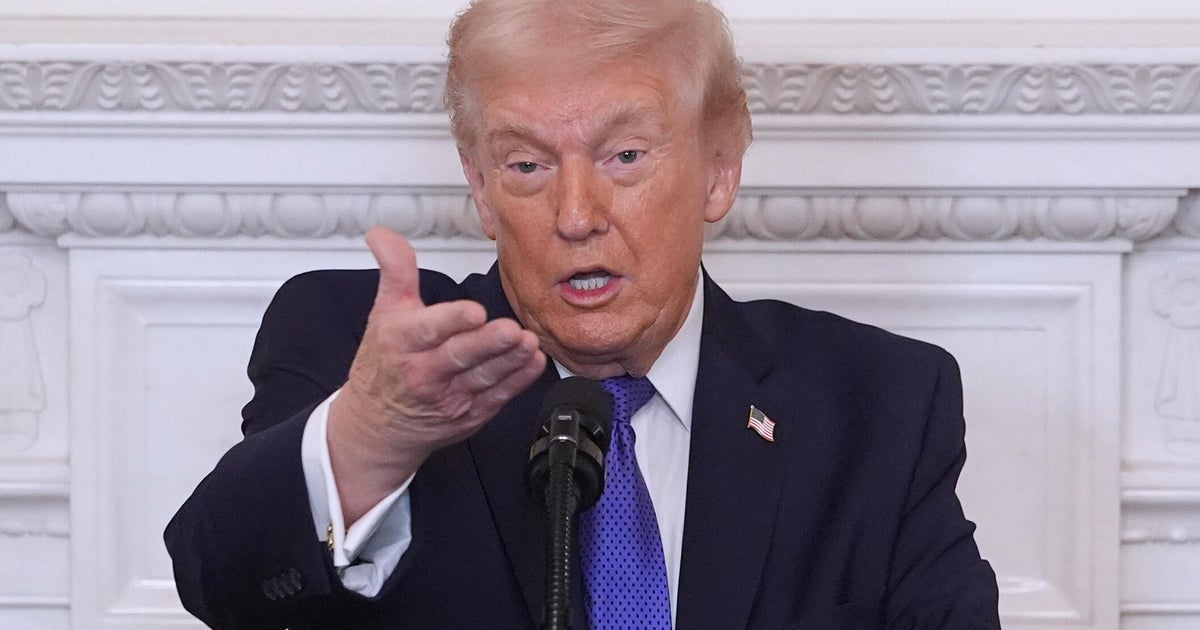 Trump says he's considering limited military strike on Iran
cbsnews.com
Trump says he's considering limited military strike on Iran
cbsnews.com
President Donald Trump says he is considering a “limited” military strike on Iran even as a draft nuclear deal is still being negotiated, with diplomacy conducted with a carrier group in the background and Congress treated as optional paperwork.
According to CBS News, Trump told reporters he is weighing a limited strike, framing it as an option if talks fail. Euronews similarly reports that the White House is keeping a draft nuclear agreement “in the works” while the president publicly floats military action. Iran, for its part, is unimpressed: Al Jazeera reports Tehran called the US military build-up “unnecessary and unhelpful” and insisted a deal remains achievable.
Presidents threaten force; the threat is used as a bargaining chip while the costs are immediately pushed onto everyone else. The moment Washington signals escalation, markets begin pricing in the possibility that the Strait of Hormuz becomes a policy lever. Oil risk premia widen, shipping rates and war-risk insurance rise, and firms reroute or hedge—private actors paying for state “signaling” they did not vote for. This is the hidden tax of executive brinkmanship: the bill is socialized through higher energy and transport costs long before any missile is launched.
“Limited” is also doing a lot of work. A strike can be limited in intent and unlimited in consequences—especially when Iran’s deterrence strategy relies on asymmetric retaliation, proxy networks, and maritime disruption rather than matching US firepower platform-for-platform. Even absent a full-scale war, a tit-for-tat cycle can produce a de facto blockade effect through harassment, seizures, or missile/drone incidents that spike insurance and choke throughput.
Domestically, the constitutional problem is equally predictable: the executive branch experiments with escalation while legislators issue statements. The War Powers Resolution has been treated for decades as more of a suggestion than a constraint, and the legal theory tends to be whatever the White House needs that week.
Trump’s posture also underlines how “negotiations” can become a theater where the coercive apparatus is the main prop. If a draft deal exists, the rational move would be to argue it on its terms—verification, enrichment limits, sanctions relief—rather than to wave a strike option that markets, allies, and civilians will price as real. But the executive incentives favor drama: credibility is measured in deployments, not in clauses.
The US government’s preferred negotiating instrument remains the same: the ability to make everyone else’s risk profile worse, quickly, and then call it diplomacy.