
Las Vegas Legionnaires lawsuit targets South Point
Grandview after tourist death, health district allegedly found Legionella and control failures, water-system engineering becomes courtroom evidence
Images
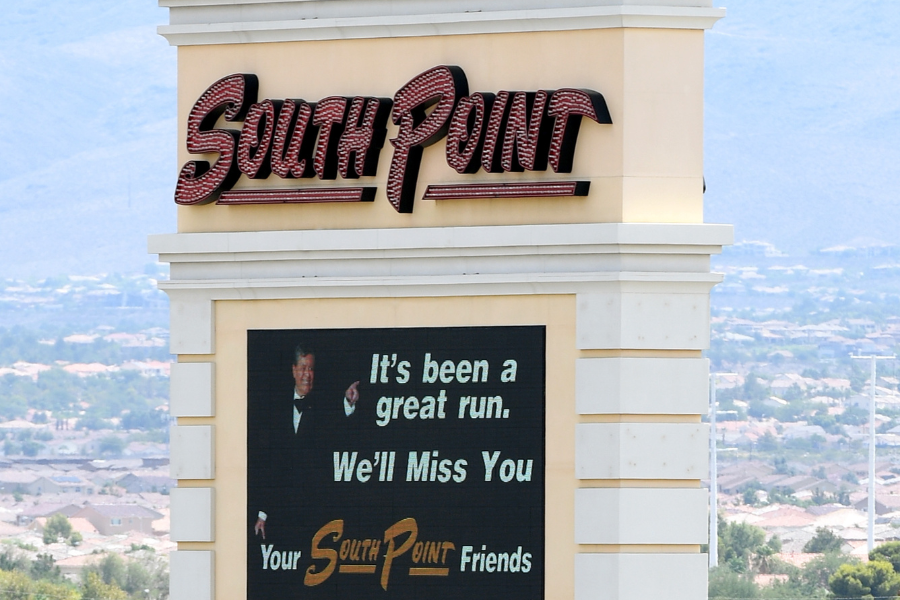 Court records reportedly say Alabama visitor Gary Curtis Jones stayed at Grandview and South Point during a March 2023 business trip and, despite a prior cancer diagnosis, was healthy enough to keep working (Getty Images)
Getty Images
Court records reportedly say Alabama visitor Gary Curtis Jones stayed at Grandview and South Point during a March 2023 business trip and, despite a prior cancer diagnosis, was healthy enough to keep working (Getty Images)
Getty Images
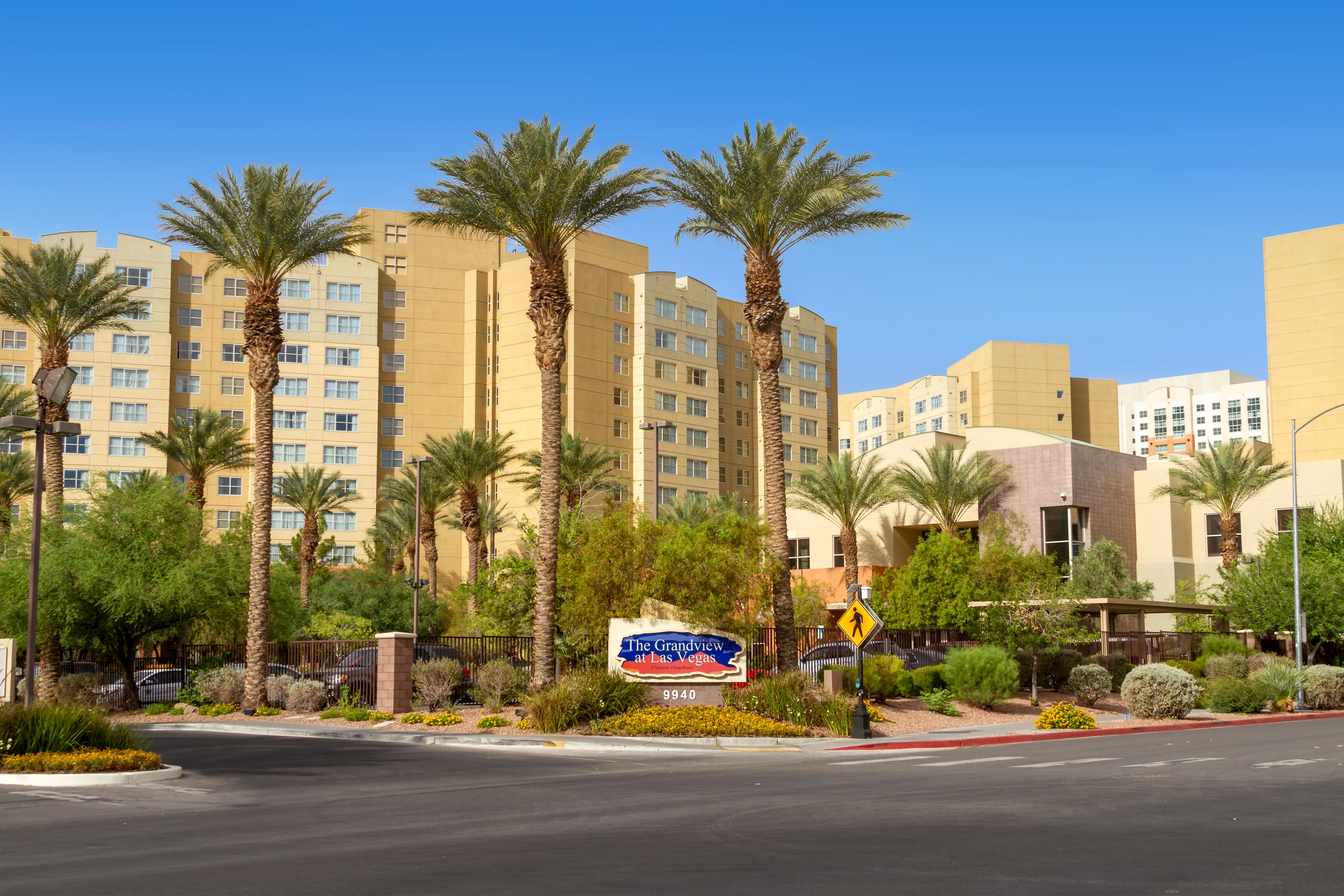 The lawsuit says Jones also stayed at The Grandview (Getty Images)
Getty Images
The lawsuit says Jones also stayed at The Grandview (Getty Images)
Getty Images
A lawsuit over a Legionnaires’ disease death in Las Vegas underscores that “building biology” is not a metaphor. It is engineering—temperature curves, stagnation zones, and aerosol generation—plus the incentives that determine whether anyone bothers to measure them.
According to The Independent, the estate of Gary Curtis Jones, a visitor from Alabama, is suing two off-Strip resorts—South Point casino-hotel and The Grandview at Las Vegas—alleging negligence and wrongful death. Jones stayed at the Grandview from March 12–16, 2023, then at South Point March 16–17. After returning home, he developed worsening symptoms and was hospitalized with respiratory failure and severe sepsis; he died April 2, 2023. The complaint alleges doctors flushed “purulent, brown fluid” from his lungs.
Legionnaires’ disease (legionellosis) is typically caused by inhaling aerosolized water containing Legionella bacteria—think cooling towers, hot tubs, decorative fountains, and building plumbing. The CDC notes an incubation window of roughly 2–14 days, which makes attribution in multi-site travel inherently probabilistic: you are often reconstructing exposure from imperfect logs and delayed testing.
That uncertainty is exactly why prevention is supposed to be systematic rather than reactive. The lawsuit claims the Southern Nevada Health District found Legionella present in South Point’s water systems after Jones’ stay and that the property “failed to meet the standard of care for Legionella control.” It also alleges “numerous violations” related to water at South Point dating back to 2020.
The Grandview, the suit says, was notified but denied Jones stayed there during the incubation period—an assertion the complaint calls false, claiming the health district verified the booking with his employers. The suit also states that water tests at the resort from June 2022 to July 2023 were negative for Legionella, while separately alleging historical positives at the Grandview in June 2022 and May 2025.
Liability can end up substituting for instrumentation. Legionella control is not magic: maintain hot water hot enough, keep cold water cold enough, prevent dead legs and low-flow stagnation, control biofilm, and test at frequencies that reflect risk (not PR). Yet many properties treat water systems as invisible infrastructure until a pathogen turns them into a courtroom exhibit.
In a market with real accountability, hotels would compete on demonstrable control regimes—documented temperature profiles, disinfection schedules, and independent sampling—because outbreaks are expensive. In the real world, the “quality signal” is often a star rating and a guest review about pillows, while the microbial ecology lives in the pipes.