
France hits record 102 million tourists in 2025
€77.5bn revenue collides with local capacity and housing constraints, Overtourism panic often means prices still too low
Images
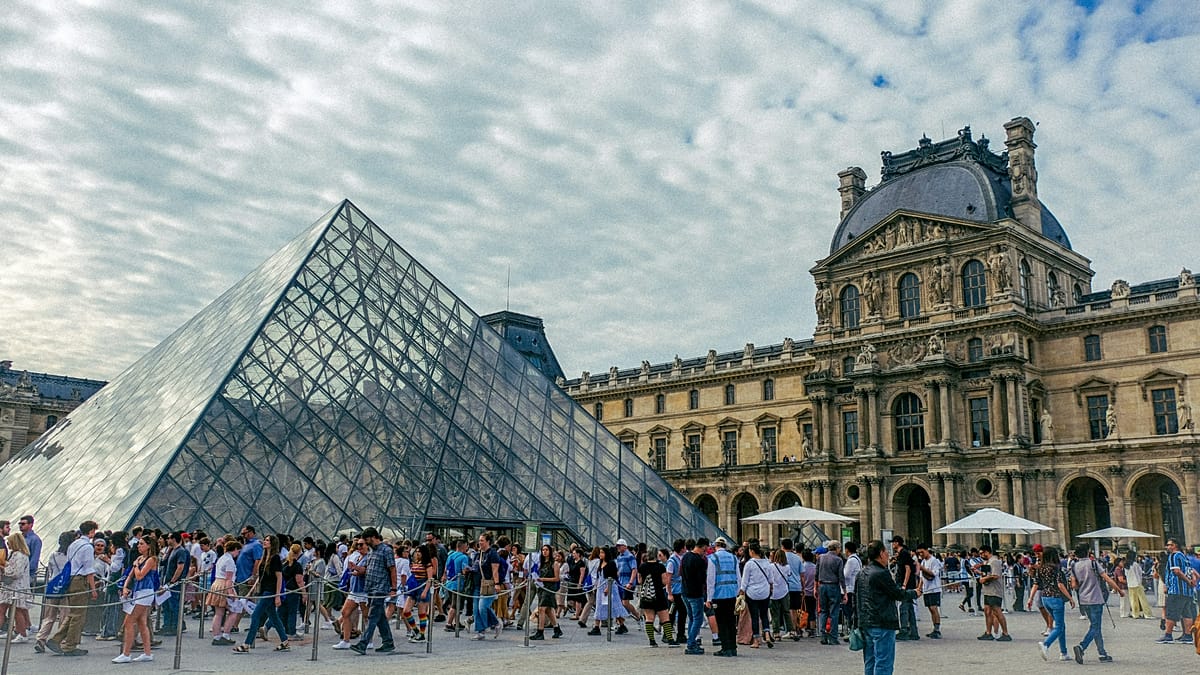 France retains its title as the world’s most visited country
euronews.com
France retains its title as the world’s most visited country
euronews.com
France set a new tourism record in 2025 with 102 million international visitors and 743 million overnight stays, according to official figures cited by Euronews and the Associated Press. Tourism revenue reached €77.5 billion, up 9% from 2024 and 37% from 2019. The Economy Ministry reiterated Paris’s goal of €100 billion in annual tourism receipts by 2030, alongside the ambition to brand France as a leader in “sustainable tourism.”
France’s headline success comes with a European aftertaste: the state celebrates demand, then treats the resulting crowding as a moral emergency requiring more regulation. Euronews notes growing pressure on hotspots, with residents of Montmartre complaining about “Disneyfication” as tour groups, tuk-tuks, photo queues and short-term rentals crowd out daily life. Sacré-Cœur alone now draws up to 11 million visitors a year—more than the Eiffel Tower.
Officials have floated “regulating visitor flows” at overrun sites such as Mont Saint-Michel, a tidal island that has become a symbol of France’s capacity constraints. The political direction is clear: tourist taxes, quotas, permit systems, and restrictions on short-term letting—tools that expand municipal and central control while leaving the underlying scarcity largely intact.
The story is less about tourists behaving badly than about incentives and constrained supply. When demand surges and prices are allowed to work, the outcome is rationing by willingness to pay, plus investment in capacity where it’s profitable. When prices are politically capped—through accommodation rules, planning restrictions, and hostility to new builds—crowding is rebranded as “overtourism” and solved with bureaucratic rationing instead.
France has historically avoided the street-level backlash seen in Spain, where protests against tourism have become a recurring political ritual. Euronews suggests France’s regional and seasonal diversity has helped distribute flows. But the Montmartre complaints show that even a diversified country can recreate scarcity in the places where regulation blocks adaptation: housing constraints meet short-term rental limits, which meet a planning regime that treats more supply as a cultural crime.
A comparison is economic: Spain drew fewer visitors (96.8 million) but generated more tourism revenue (€105 billion) than France, per Euronews. France wins the volume contest; Spain wins the pricing contest. If France wants €100 billion, it can either let prices rise and supply respond—or it can keep performing sustainability theatre while bureaucrats micromanage who gets to stand where.
Tourism is not a public utility. It is a voluntary trade: visitors buy experiences; locals sell them. The political temptation is to nationalise the upside—tax receipts, branding—and socialise the downside—crowding, policing, clean-up—then blame “too many tourists” rather than the rules that prevent the price system from doing its job.